Wader and Boot Care That Adds Seasons to Your Gear
Published How we research
Waders and wading boots are the most expensive items most fly anglers own that get treated the worst. They come off wet, go into a trunk, and sit balled up in a garage corner until the next trip. Nearly every leak, delamination, and blown seam traces back to that routine rather than to hard fishing. A few simple habits, none of which take more than ten minutes, will keep a mid-priced pair working through many seasons and make the eventual repairs easy instead of hopeless.
Drying is the single most important habit. Breathable waders need to dry inside and out, because sweat and condensation soak the inner face just as thoroughly as a wet wade soaks the outside. Hang them upside down by the feet or over a wide rail, never folded over a thin wire that creases the fabric in the same spot every time. Turn the legs partly inside out so the interior gets air. Keep them out of direct sun, since ultraviolet light breaks down both the laminate and the seam tape. A fan pointed into the legs cuts drying time dramatically in humid weather.
Boots need the same treatment and rarely get it. Pull the insoles out, loosen the laces fully, and let them dry in moving air rather than next to a heater, which hardens glue and shrinks leather. Rinse gravel and sand out of the interior before drying, because grit trapped under the insole grinds at the lining and wears through it. Felt soles hold water and organisms far longer than rubber, so they need the most drying time. Many regions restrict or ban felt outright for that reason, and rubber lugs with studs are the practical default in most places now.
Cleaning matters for both gear life and river health. Rinse waders and boots in clean water after every trip, and give them a proper wash a few times a season. Use a mild soap made for technical fabrics or a specialized wader wash, never detergent with softeners or bleach, which clog the breathable membrane and strip the outer coating. When water stops beading on the shell, the durable water repellent finish has worn off. A spray-on treatment restores it, and a low tumble dry or a warm iron with a cloth barrier reactivates it on fabrics that call for heat. Cleaning also removes mud, seeds, and organisms that spread between watersheds, which is why drying thoroughly between different rivers is a good practice regardless of local rules.
Learn to find and fix leaks early, because a pinhole that stays wet grows into a seam failure. Turn the waders inside out in a dark room and shine a bright light in from the outside, then mark the pinpricks of light with a marker. If that does not work, spray the inside of a suspect area with rubbing alcohol and watch for dark spots on the exterior. Patch small holes with the flexible urethane repair adhesive that came with the waders, applied thin on clean, dry fabric and left to cure fully overnight. Seam separations and neoprene bootie leaks are worth sending to the manufacturer, since most brands run repair programs that cost far less than replacement.
Store them properly in the off season and you avoid most spring surprises. Hang waders full length in a cool, dry closet rather than folding them into a tote, since permanent creases weaken the fabric exactly where it flexes least. Keep boots loose and upright with the insoles out. Before the first trip of the year, check the laces, the studs, and the gravel guards, and inflate the legs by holding them shut and pressing gently to feel for weak spots. Ten minutes in the garage in March beats a cold leg on opening day.
Products from this article
The highest-scoring picks from the buying guides mentioned above. Scores are our editorial assessment, not customer ratings.
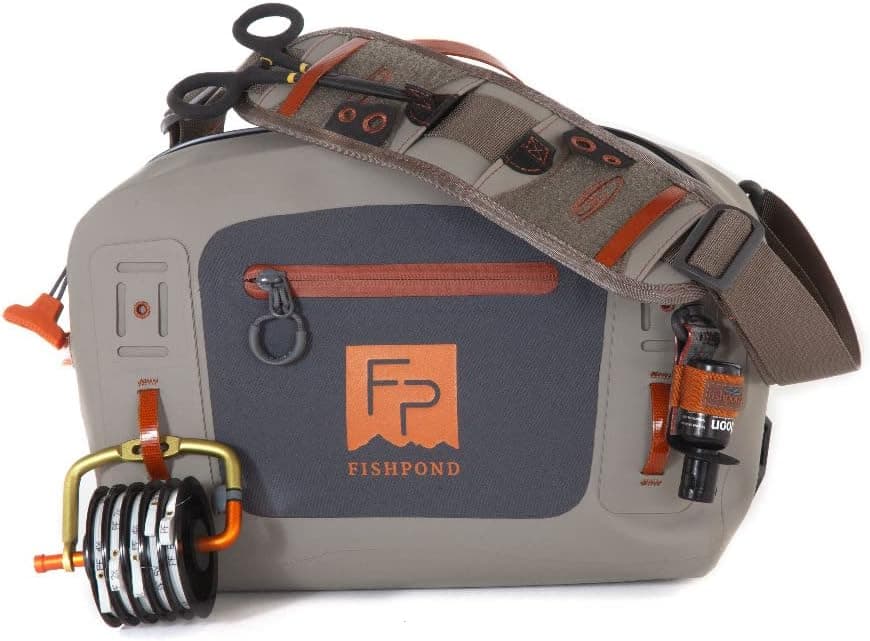
+ Submersible design keeps gear dry even when dunked
From our guide: The Best Gear Bags for Fly Fishing
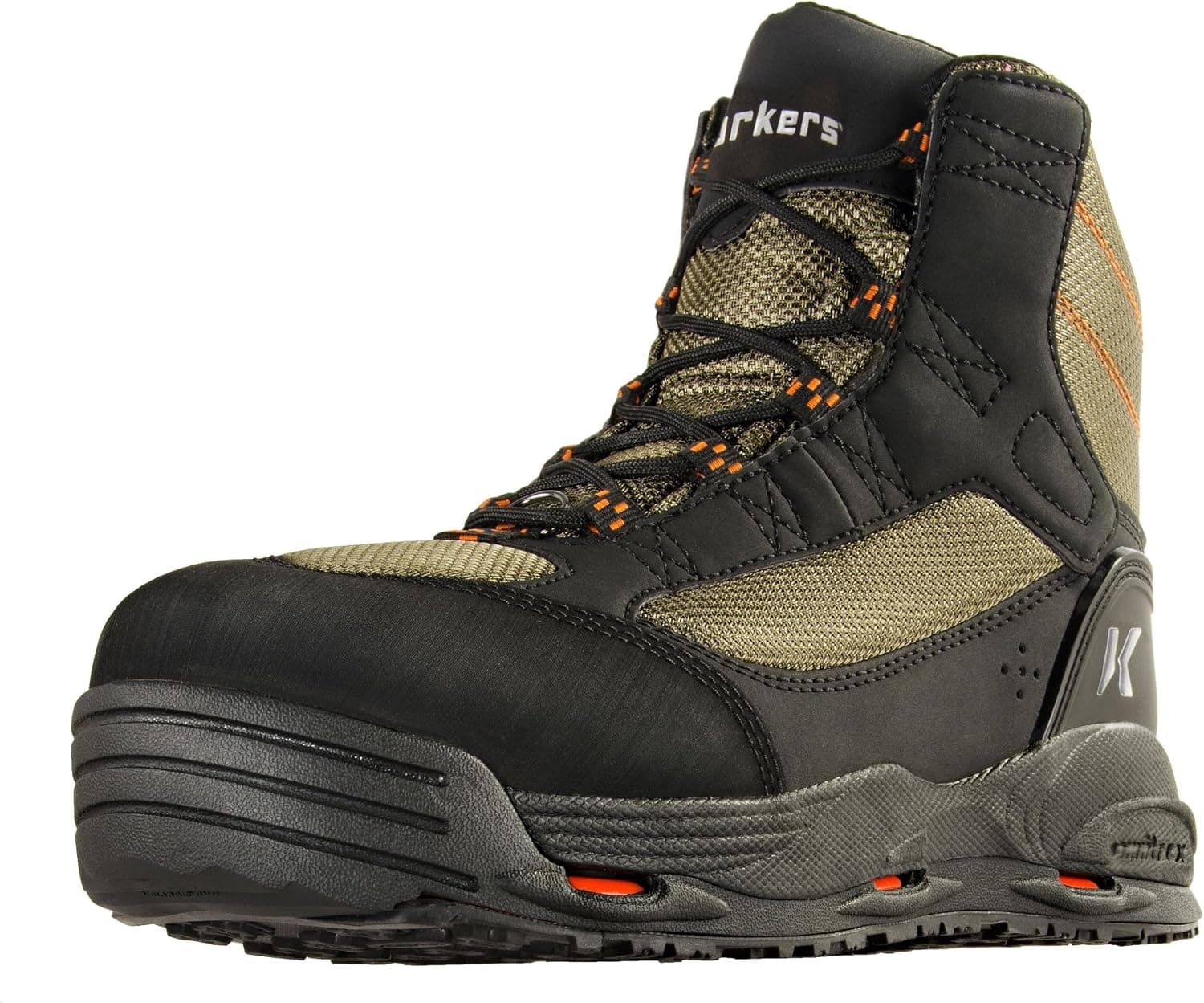
+ Studded Kling-On sole grips slick rocks without felt
From our guide: Best Rubber Sole Wading Boots
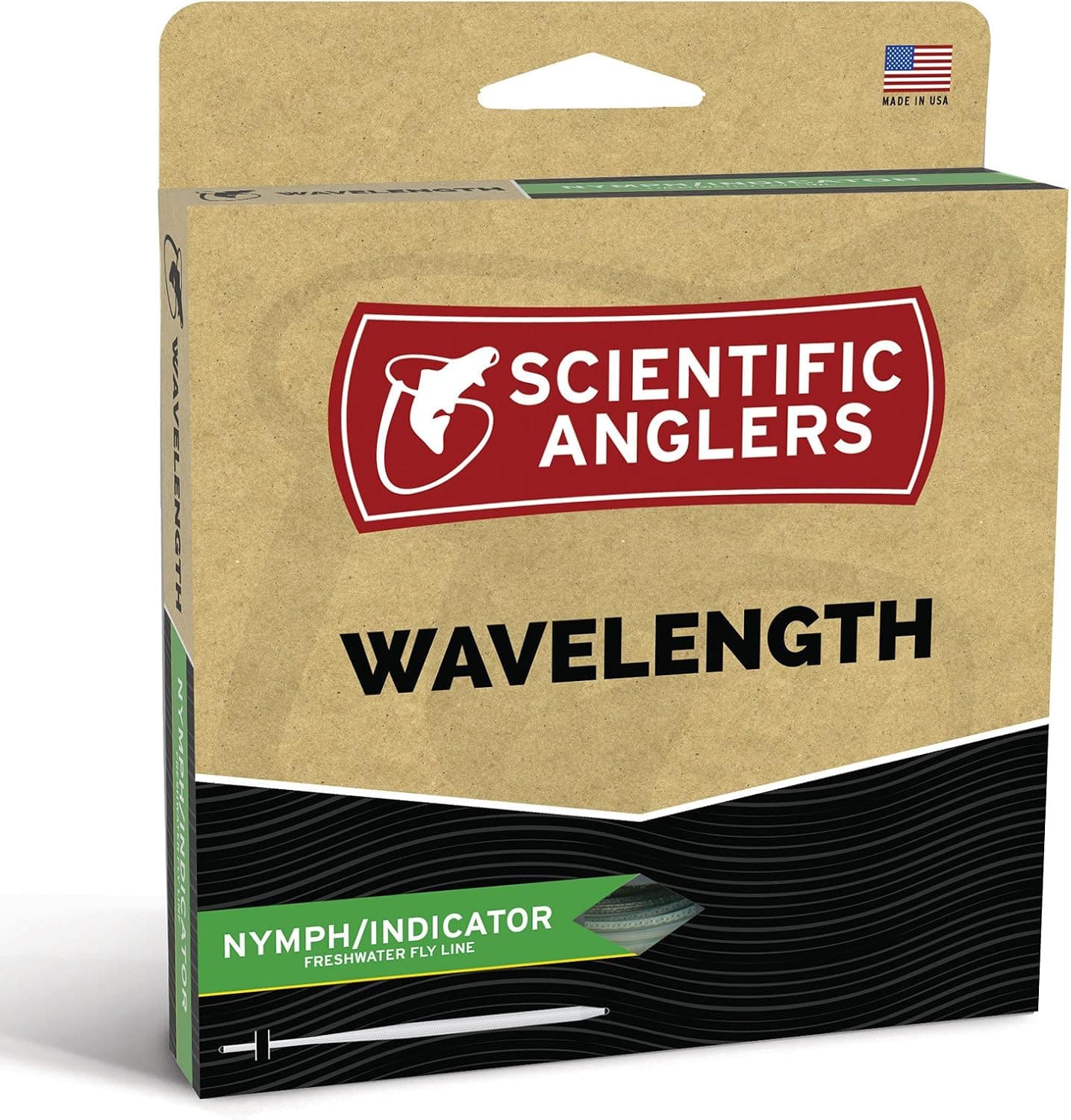
+ Nymph taper turns over heavy flies, split shot and indicators
From our guide: Best Floating Fly Lines: The Upgrade Most Rods Are Waiting For
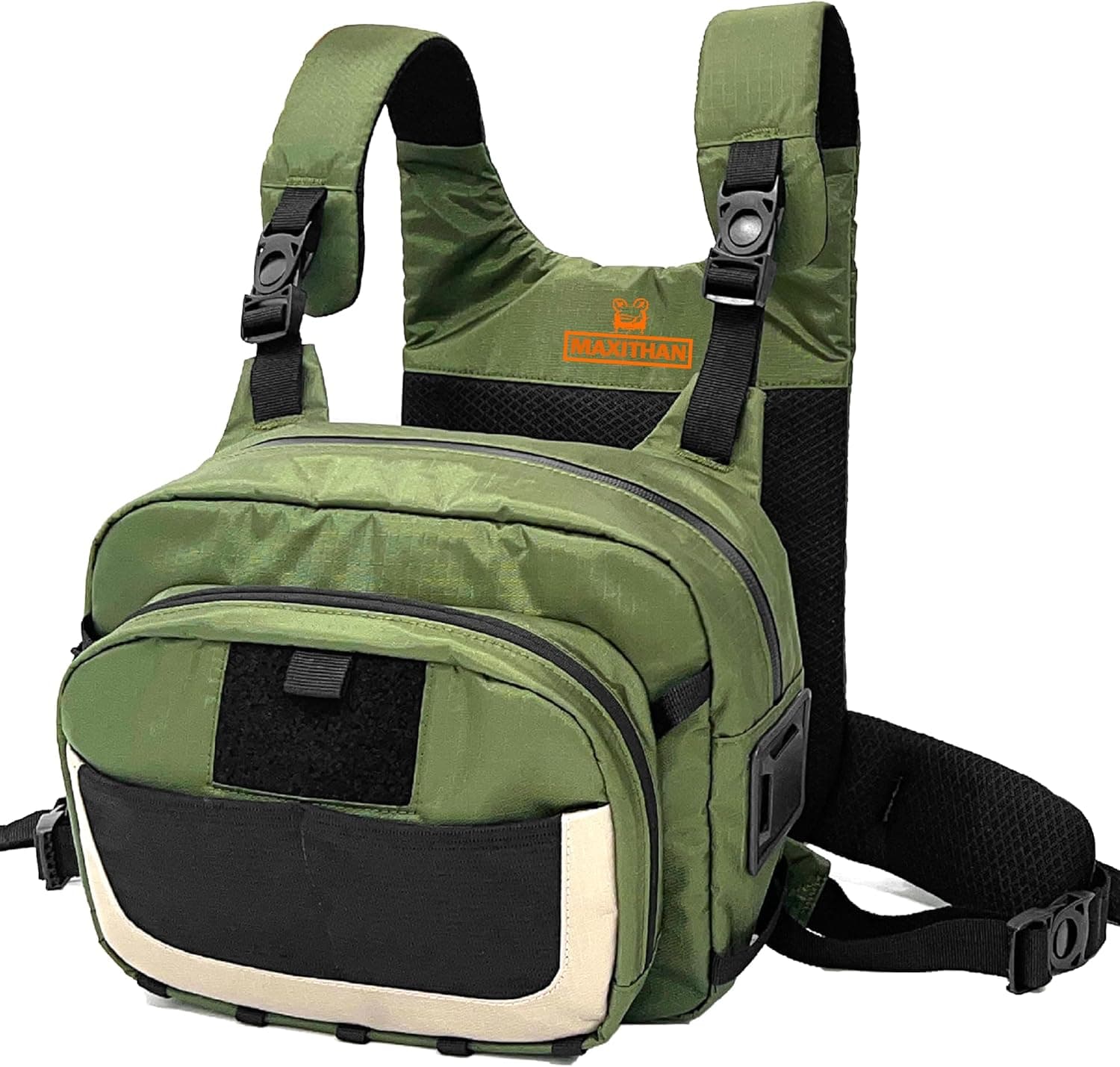
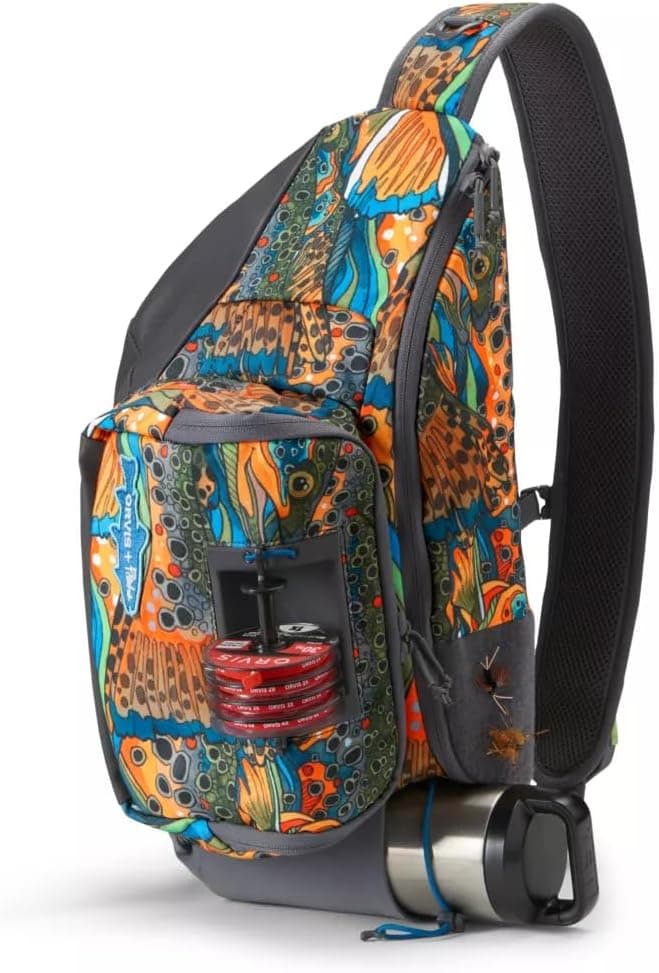
+ 11L storage fits fly boxes, tippet and a light jacket
From our guide: The Best Gear Bags for Fly Fishing
Popular right now
- Dry Fly vs Nymph vs StreamerArticle
- The Best Waterproof Fly BoxesBuying guide
- The Best Chest Packs for Fly FishingBuying guide
- Best Wader Repair KitsBuying guide
- Fly Fishing Etiquette on Crowded WaterArticle
- Best Fly Rod Combos: Ready-to-Fish Setups That Actually BalanceBuying guide
Based on the last 28 days of search and visitor data.