Scientific Anglers Wavelength Nymph Fly Fishing Line Weight Forward Float WF5F Review (2026)
Updated September 14, 2026 · Research-based review
Our verdict
The Scientific Anglers Wavelength Nymph WF5F suits a trout angler who fishes indicator and nymph rigs regularly and wants a line built to turn over weight, not present small dries delicately. The main strength is a taper made for mending and roll casting nymph rigs, the trade-off is reduced finesse for light dry fly work.
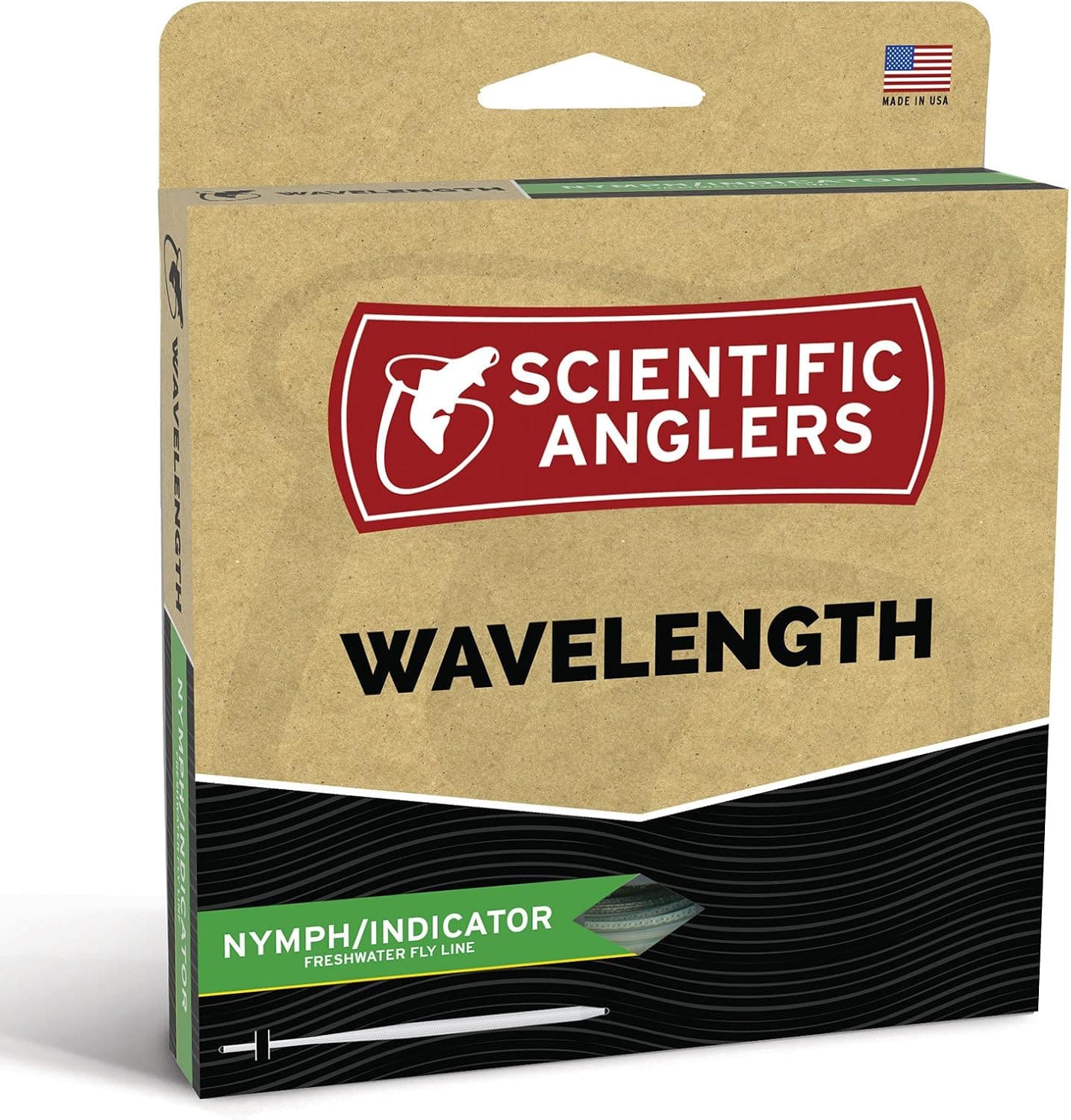
Scientific Anglers Wavelength Nymph WF5F floating line, a taper built to turn over indicator and nymph rigs.
Price range: $ (Budget)
What we liked
- + Nymph taper turns over heavy flies, split shot and indicators
- + Scientific Anglers coatings are known for smooth shooting and durability
- + WF5F spec matches standard trout rods for nymph fishing
Trade-offs
- - Nymph-focused taper is less delicate for small dries on flat water
- - Costs more than generic weight forward lines
Who this line is built for
This line is built for anglers whose fishing leans heavily on nymphing, particularly indicator rigs carrying split shot and one or two weighted flies, where a standard general-purpose trout taper often struggles to turn over the extra mass smoothly. The WF5F designation matches it to standard 5 weight trout rods, making it a straightforward swap onto an existing rod for anglers who want a dedicated nymphing line rather than asking one all-around line to handle every technique well. It suits anglers who roll cast often, since the line is designed around a longer rear taper specifically to aid mending and roll casting, both common needs when nymphing tight runs and pocket water. Anglers whose fishing is mostly small dry flies on flat, clear water should choose a more delicate presentation taper instead, since this line is not built for that finesse role.
Taper design and construction explained
According to Scientific Anglers and retailer listings for this line, the Wavelength Nymph carries a high-floating orange tip that functions as a built-in strike indicator, paired with a powerful front taper specifically engineered to turn over heavier nymph rigs, split shot and indicators that a standard trout taper can struggle with. A longer rear taper than a typical weight forward line is included to aid mending line once it is on the water and to support roll casting, both frequently used techniques when nymphing. The line's coating is textured to reduce friction through the guides while adding buoyancy and durability, and related lines in the Wavelength family are built on a braided multifilament core with welded loops at both ends for quick leader and backing connections, though anglers should confirm current core and loop details directly with Scientific Anglers or a retailer before buying.
Fishing it day to day
In use, the bright orange tip section works as a visual aid similar to a small strike indicator, useful for detecting subtle takes even when also running a separate yarn or foam indicator further up the leader for added visibility in faster water. The powerful front taper is most noticeable when casting rigs carrying more than one fly or added weight, since it turns the leader and flies over with less effort than a standard delicate trout taper would manage, reducing tailing loops and tangles that heavier rigs can cause on lines not built to handle them. Because the line is intentionally overweighted toward the front to carry that extra mass, casting it with only a single small, unweighted fly can feel less refined than a standard taper, so anglers who switch frequently between nymphing and delicate dry fly presentations may want a second, lighter line on a spare spool.
Trade-offs and how it compares with other lines
Against a general-purpose weight forward line like those from Maxcatch or River Peak, the Wavelength Nymph trades some casting versatility for a taper specifically tuned to nymph rigs, a fair trade for anglers whose fishing is mostly indicator and nymph work rather than mixed technique. Against a dedicated euro nymph line such as the RIO FIPS Euro Nymph, which is a thin, indicator-free running line built for tight-line technique without a fly line taper at all, the Wavelength Nymph is the more conventional choice for anglers casting a standard weight forward line with an indicator rather than adopting euro-style tight-line methods. Scientific Anglers' reputation for coating durability and smooth shooting is the main reason this line costs more than generic weight forward options, a difference many anglers notice in how the line ages and shoots through guides over a season.
Verdict and who should pick something else
The Scientific Anglers Wavelength Nymph WF5F earns our score of 8.6 out of 10 as a well-built, purpose-focused line that solves a real problem for anglers who nymph often and want a taper that turns over weighted rigs cleanly. It suits 5 weight trout anglers who fish indicator and nymph rigs as their primary technique. Anglers who mostly fish small, unweighted dry flies on calm water should choose a more delicate presentation taper instead, and anglers moving toward tight-line euro nymphing without an indicator should look at a dedicated euro nymph line rather than this conventional weight forward taper.
Frequently asked questions
What is the WF5F rating?
It means the line is a weight forward taper built to match a standard 5 weight rod and floats, the common designation for a floating trout line.
Does the orange tip work as a strike indicator?
The high-floating orange tip section is designed to double as a visual aid for detecting subtle takes, similar to a small built-in indicator.
Is this line good for dry flies?
It is optimized for turning over nymph rigs and indicators, so it presents less delicately than a dedicated dry fly taper for small, unweighted flies.
How is it different from a euro nymph line?
A euro nymph line like the RIO FIPS is a thin, level running line for tight-line technique without an indicator, while this is a standard tapered floating line meant to be cast with an indicator rig.
Prices change often, so check the current price and availability on Amazon.
Check price on AmazonFly Fish Nest may earn a commission from the link above.