Dry Fly vs Nymph vs Streamer
Published How we research
Every fly you will ever cast falls into one of three broad families: dry flies that float on the surface, nymphs that drift below it, and streamers that you actively strip and swim. Each family imitates a different food source, fishes differently, and shines in different conditions. Knowing when to reach for which is one of the fastest ways to turn slow days into productive ones.
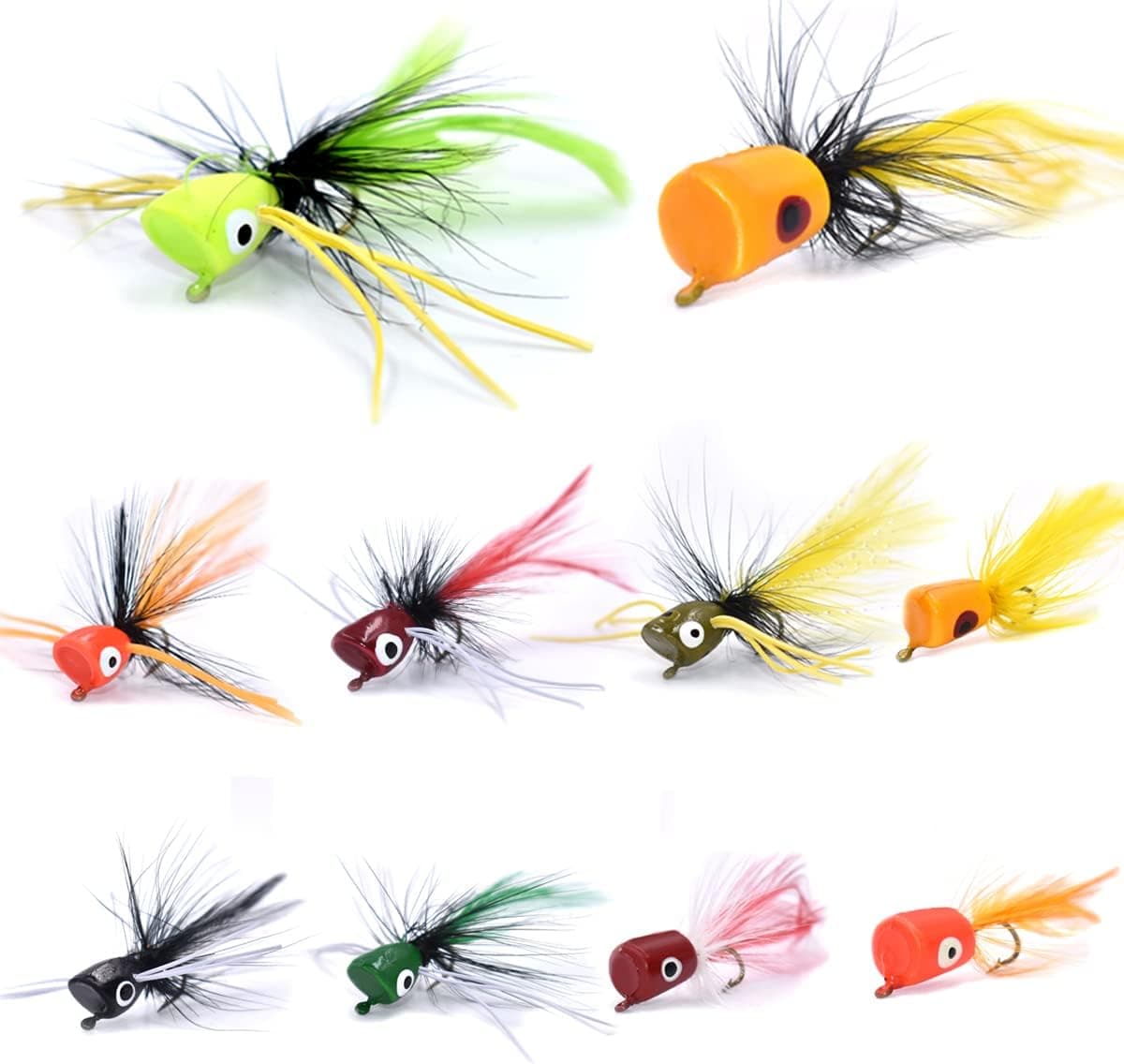
Dry flies imitate adult insects riding the surface: mayflies drying their wings, caddis skittering, terrestrials like ants and hoppers that fell in. Dry fly fishing is visual and addictive, watching a trout tip up and eat your fly is the signature thrill of the sport, but it is honest to say it is a part-time job. Trout feed on the surface only when there is a reason to, which usually means a hatch, a spinner fall, or summer terrestrial season. Fish dries when you see rising fish, when bugs are visibly on the water, or when prospecting likely banks with an attractor like a hopper or a Stimulator in warm months. If nothing has risen in half an hour and no insects are around, the surface is probably the wrong floor of the building.
Nymphs imitate the immature, underwater stage of aquatic insects, plus other subsurface staples like scuds and sowbugs. The unglamorous truth is that trout do the large majority of their feeding underwater, which makes nymphing the most consistently productive method across the whole year. Dead drift a nymph or a two-fly rig near the bottom, under an indicator or on a tight line, through seams, riffles, and the heads of pools. Nymphing is the default answer when nothing is rising: cold mornings, winter afternoons, high or off-color water, heavily pressured tailwaters. If you could only fish one method for a year and needed to eat, you would nymph.
Streamers imitate the big protein: baitfish, sculpins, leeches, crayfish. Instead of drifting naturally, you cast them to structure and strip them back, swinging them through runs and banging the banks. Streamer fishing trades numbers for size; you will usually move fewer fish, but they are disproportionately the large, territorial ones that attack a fleeing meal. Streamers earn their keep in high or stained water when trout hunt by silhouette and vibration, in low light at dawn and dusk, in fall when brown trout turn aggressive before the spawn, and any time you want to cover a lot of unfamiliar water fast and find the players.
Conditions should drive the choice more than preference. Clear water and visible bugs point to dries. Normal flows with no surface activity point to nymphs. High, murky, cold-front, or low-light conditions point to streamers. Time of year matters too: winter is nymph and midge season almost everywhere, spring runoff is streamer water, summer is the terrestrial and evening dry fly window, and fall splits between blue-winged olive dries and aggressive streamer eats.
Do not let the categories become walls. A dry-dropper rig hangs a nymph beneath a buoyant dry and fishes two floors at once, which is arguably the best prospecting rig in fly fishing. A soft hackle swung at the end of a nymph drift imitates an emerger and borrows a little from all three families. Start the day with a plan, let the fish veto it, and switch without sentiment. The anglers who catch fish all day are rarely married to one method; they are simply reading what the river offers and answering with the right family of fly.
Products from this article
The highest-scoring picks from the buying guides mentioned above. Scores are our editorial assessment, not customer ratings.
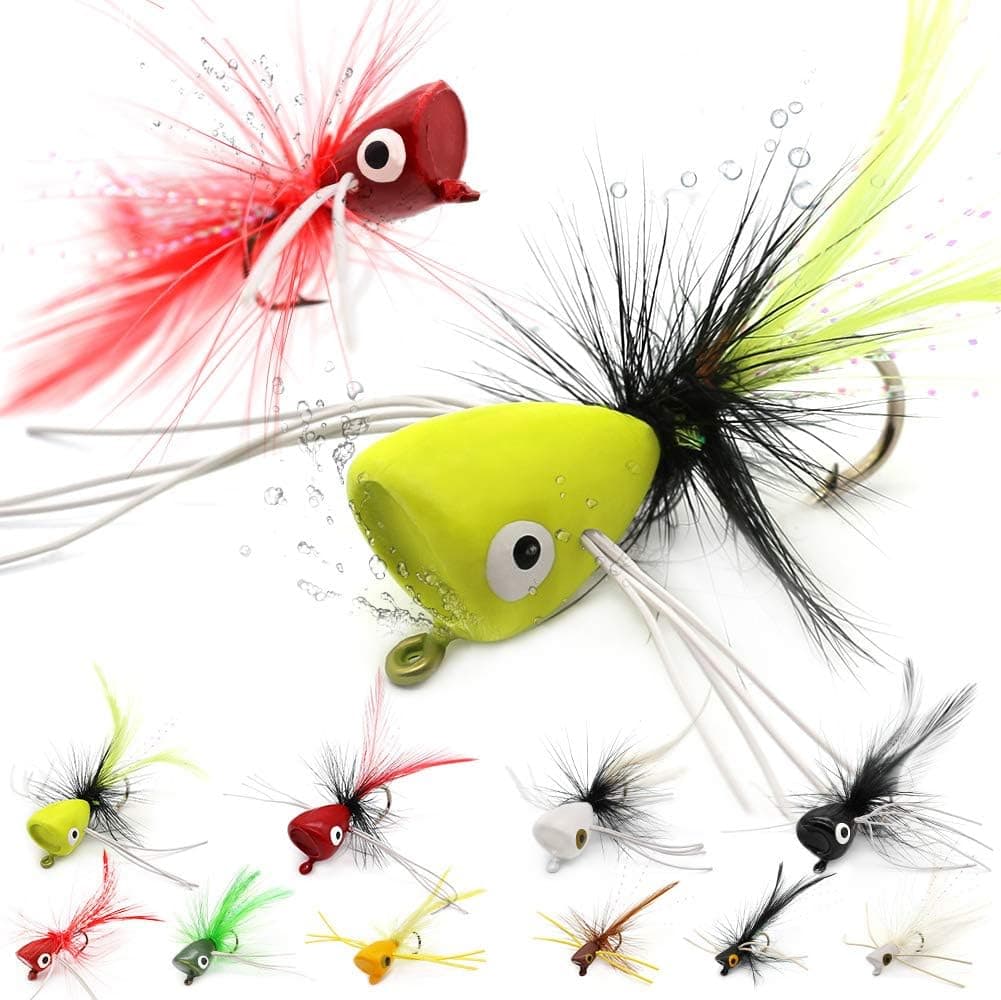
+ 3 sizes let you target panfish or larger bass
From our guide: Best Bass and Panfish Flies
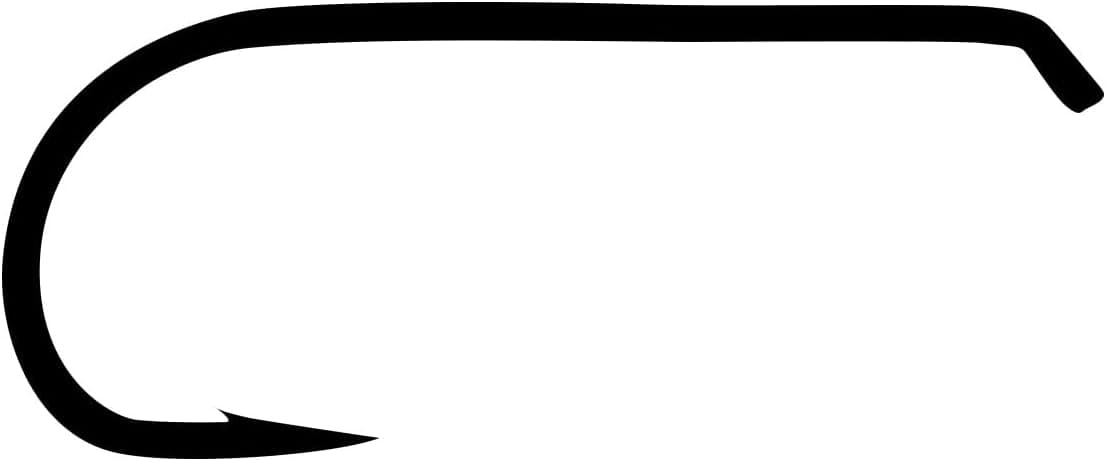
+ TMC100 is a benchmark dry fly hook for classic patterns
From our guide: Best Fly Tying Hooks
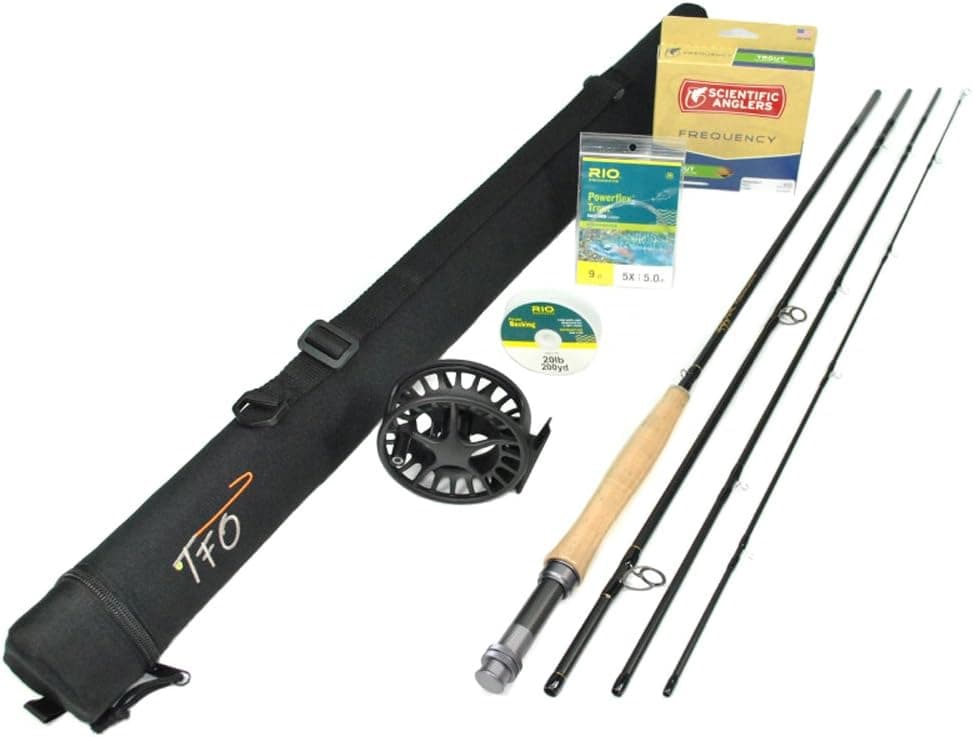
+ Outfit includes reel and line matched to the rod for a balanced setup
From our guide: Best 5-Weight Fly Rods: The One Trout Rod That Does It All
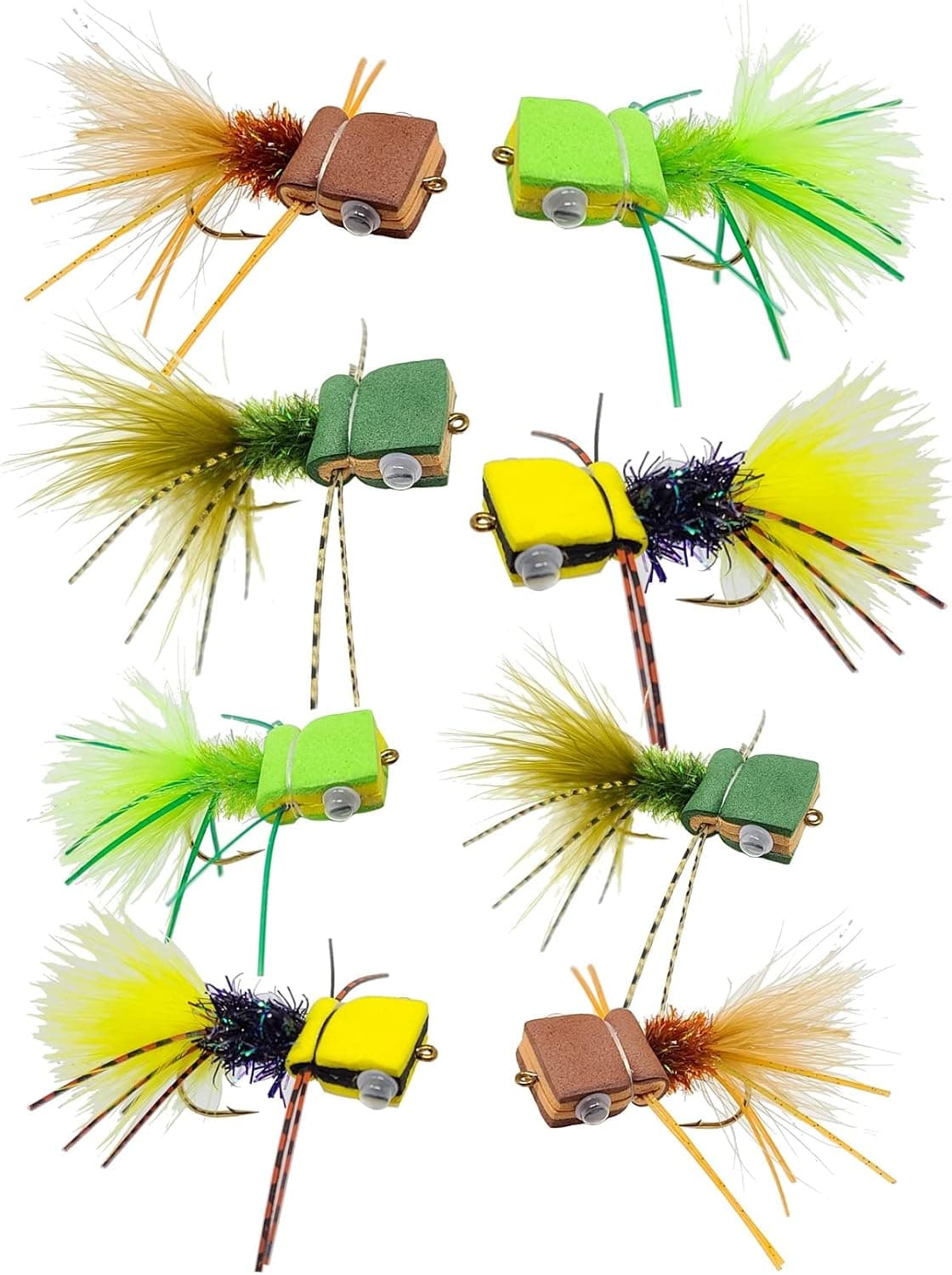
+ Foam bodies float high and are durable against sharp teeth
From our guide: Best Bass and Panfish Flies
Popular right now
- The Best Waterproof Fly BoxesBuying guide
- The Best Chest Packs for Fly FishingBuying guide
- Best Wader Repair KitsBuying guide
- Fly Fishing Etiquette on Crowded WaterArticle
- Best Fly Rod Combos: Ready-to-Fish Setups That Actually BalanceBuying guide
- The Best Nippers and Clippers for Fly FishingBuying guide
Based on the last 28 days of search and visitor data.