Fly Fishing Etiquette on Crowded Water
Published How we research
Fly fishing has a set of unwritten rules that nobody hands you with your license, and breaking them is the fastest way to sour a day for yourself and everyone around you. Most of the rules come down to a single idea: the angler who got there first has the run, and your job is to work around them without changing their fishing. New anglers who understand that principle rarely cause problems, even when they get a detail wrong.
Products from this article
The highest-scoring picks from the buying guides this article links to. Scores are our editorial assessment, not customer ratings.
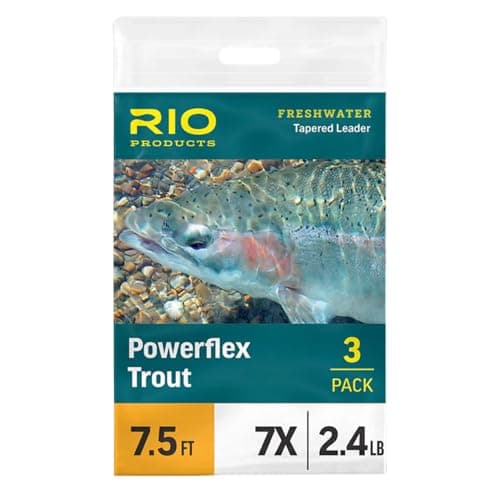
+ Copolymer construction balances strength, abrasion resistance and controlled stretch.
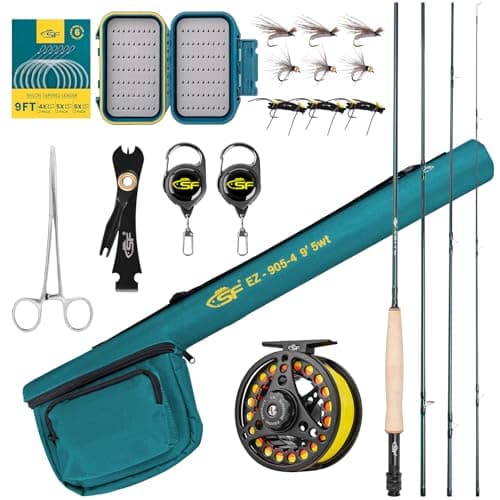
From our guide: Best Fly Fishing Gear for Beginners
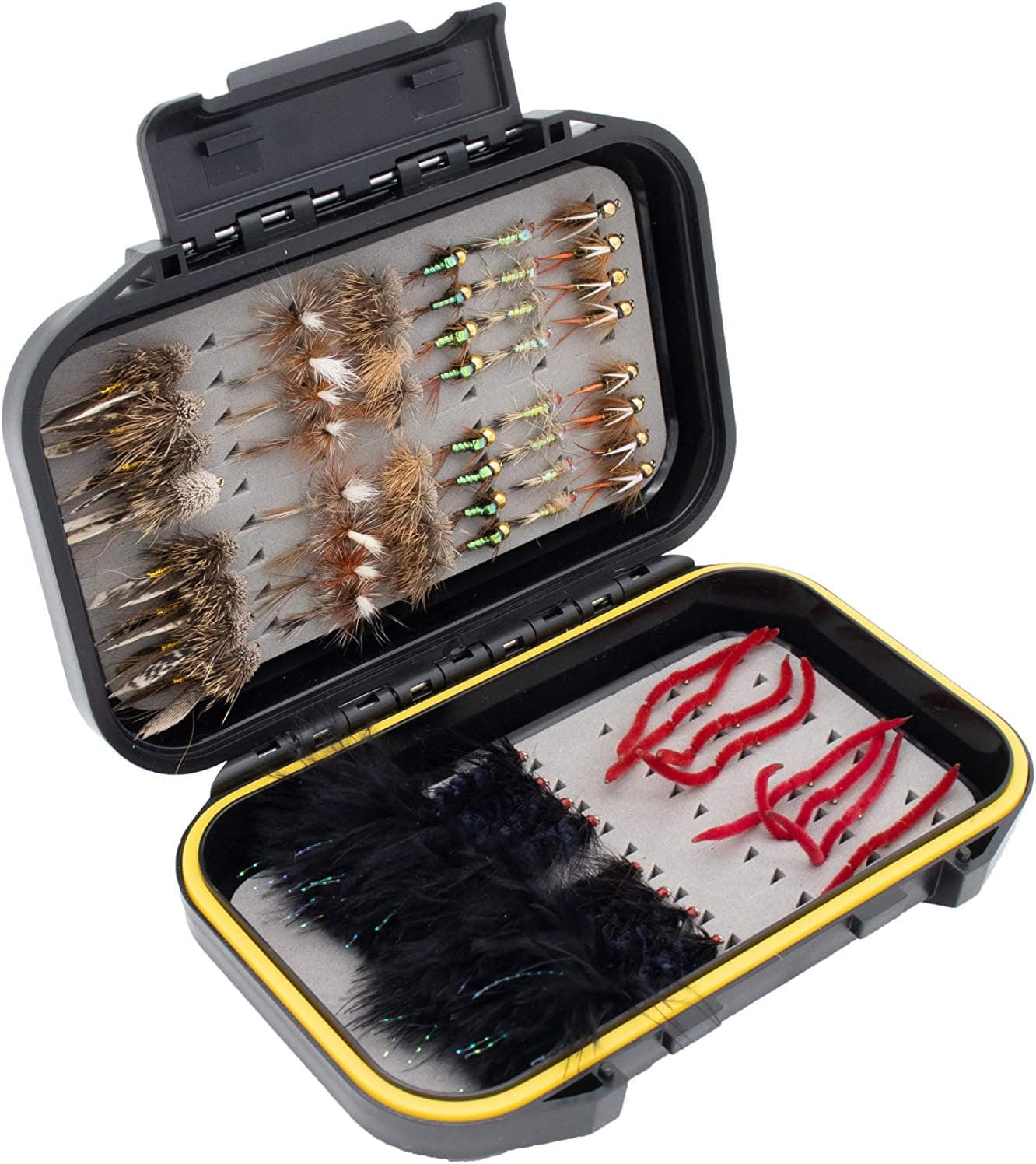
+ 64 barbless flies make catch and release easier on trout
From our guide: Best Trout Fly Assortments
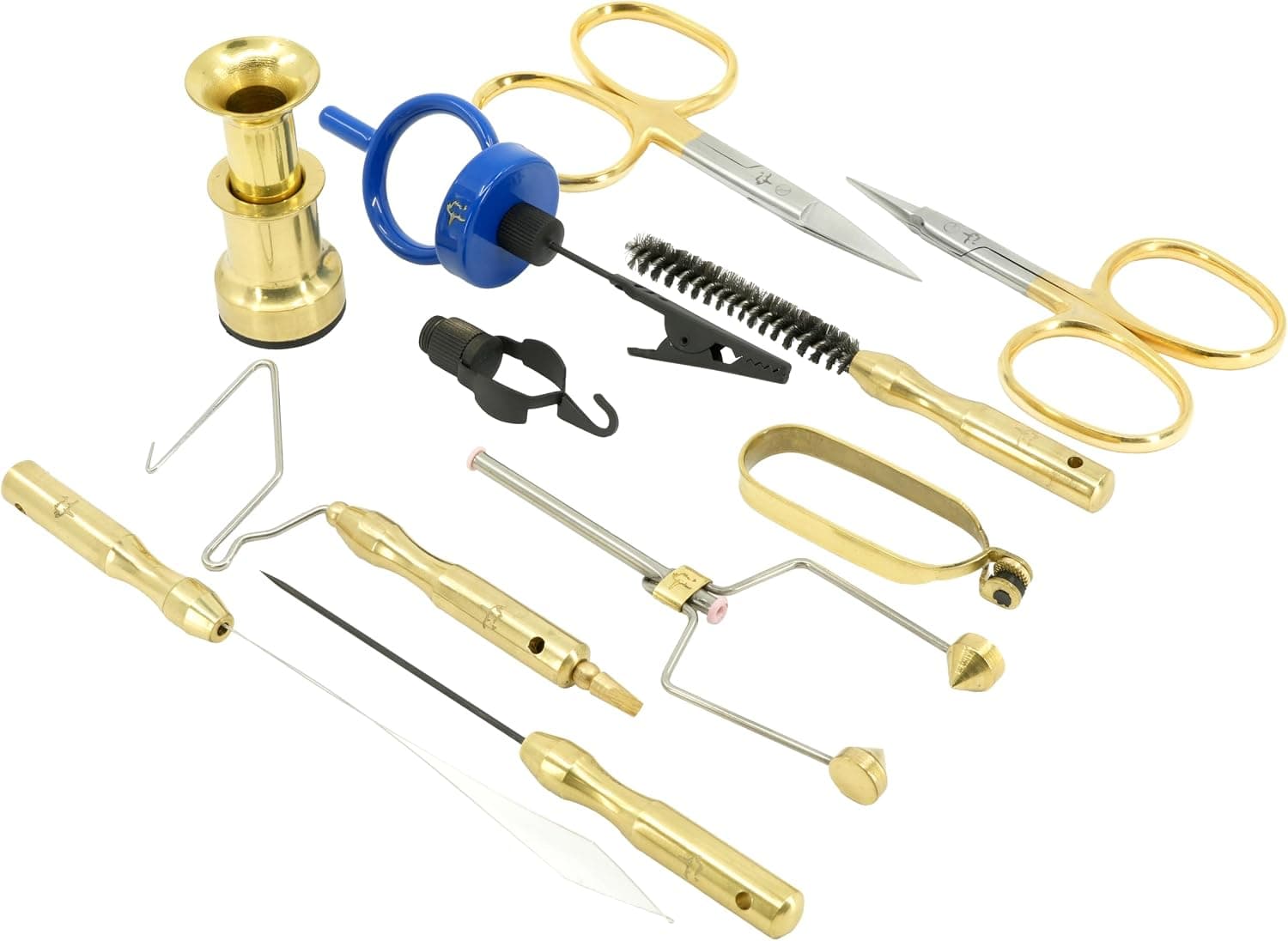
+ 11 Piece kit includes a case to keep tools organized
From our guide: Best Fly Tying Tools
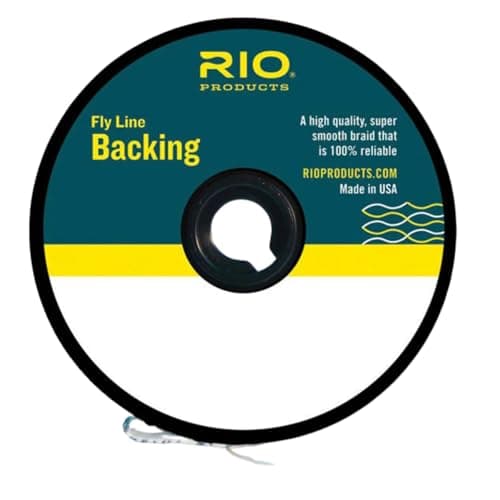
+ High-strength braided Dacron with low stretch, built to hold up when a fish runs far into the backing
From our guide: Best Fly Fishing Gear for Beginners
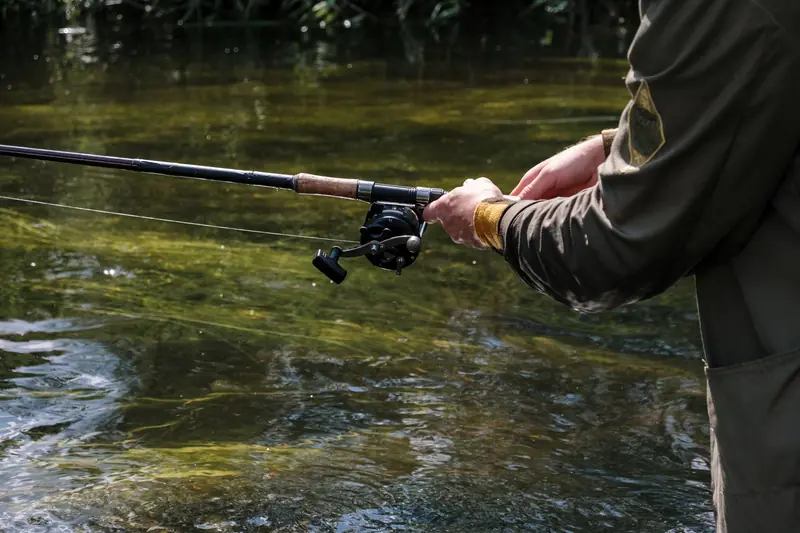
Space is the foundation. On a river, a working angler owns the water they are covering, which usually means the run in front of them and a comfortable distance upstream and down. Exactly how much space depends on the water. A wide western river might justify a hundred yards, while a small stream where anglers move constantly might mean a bend or two. When in doubt, give more room than feels necessary. If you cannot fish without being close enough to talk without raising your voice, you are too close.
Passing another angler requires deliberate effort. Get out of the water and walk well around behind them on the bank, moving quietly and staying low so your shadow and footfalls do not push fish out of the run. Re-enter far enough upstream or downstream that you are not fishing the water they are about to reach. If they are wading upstream, get in above them; if they are working downstream, drop in below. A friendly word as you pass costs nothing and removes any ambiguity about your intentions.
Boats and bank anglers share a river under a slightly different set of expectations. Boats are moving and wading anglers are not, so the boat yields. That means rowing wide around a wading angler, going behind them rather than through the run they are fishing, and stopping casting as you pass. Anglers on the bank should not cast across a boat that is passing correctly or block a channel that is the only navigable route. On popular float water, courtesy also means not anchoring in a run someone else is drifting toward and not repeatedly leapfrogging the same boat all day.
Be careful with information. Fly shops, guides, and local anglers share knowledge because it circulates within a community that treats it responsibly. Posting an exact location of a small, fragile fishery to a large audience changes that water within a season. Sharing a general region, a hatch, or a technique is normal and useful, while posting recognizable landmarks with a photograph of a large fish invites pressure the water may not withstand. Asking someone what they are catching fish on is fine; expecting a detailed answer about their favorite stretch is not.
Access deserves the most care, because it is the thing most easily lost. Park where parking is intended, and never block a gate or a farm track even briefly. Close gates you found closed, stay on established paths, pack out every scrap of tippet and every wrapper, and do not cross private land without permission just because a fence looks unimportant. Landowners who close access almost always do it after a handful of anglers behaved carelessly, and the closure lands on everybody. Treat river access as a privilege being lent to you and it tends to keep being lent.
The rest is ordinary decency applied to a river. Keep noise down, especially early. Do not crowd someone who is clearly working a rising fish. Give beginners room and offer help only if they seem to want it. Handle fish carefully in front of others, since what you model becomes normal for people who are still learning. Fisheries stay pleasant because most anglers quietly choose to make room, and joining that habit is the easiest contribution you can make.
Popular right now
- Dry Fly vs Nymph vs StreamerArticle
- Best Kids Fly Rods: Short, Tough Setups That Keep It FunBuying guide
- The Best Waterproof Fly BoxesBuying guide
- Best Beginner Fly Rods: Forgiving Rods That Teach a Clean CastBuying guide
- Best Euro Nymph Lines: Thin Lines for Tight-Line ControlBuying guide
- Best Wader Repair KitsBuying guide
Based on the last 28 days of search and visitor data.