How to Tie the Albright Knot to Join Fly Line and Backing
Published How we research
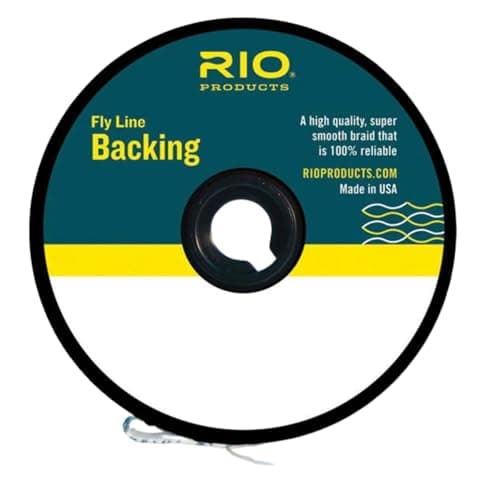
The Albright knot joins two lines of different diameter or stiffness, which is exactly the situation when you connect a fly line to backing. It is a favorite for that job because the finished knot is slim, smooth, and able to pass through rod guides if a big fish takes line. Learning it takes only a few minutes, but the details matter: how you lay the wraps, whether the knot is wet when it tightens, and how you finish it. This guide covers the steps, common mistakes, and a few alternatives, so you can pick the right connection for your reel.
Products from this article
The highest-scoring picks from the buying guides this article links to. Scores are our editorial assessment, not customer ratings.
+ Gel spun has a thin diameter so more backing fits on the reel
From our guide: Best Fly Line Backing: The Insurance Under Your Fly Line
+ II size fits 4-6 wt lines, covering the most common trout rods
From our guide: Best Fly Reels: Drag, Durability, and Where Your Money Goes
+ Front-weighted MPX taper loads rods quickly and turns over dries, nymphs and small streamers
From our guide: Best Floating Fly Lines: The Upgrade Most Rods Are Waiting For
+ High-strength braided Dacron with low stretch, built to hold up when a fish runs far into the backing
From our guide: Best Fly Line Backing: The Insurance Under Your Fly Line
What the Albright knot does
A fly line is thick and relatively stiff, while backing is thin and soft. Joining them with a simple overhand knot would leave a lumpy, weak connection. The Albright works by folding the thick line into a loop and wrapping the thin line around both strands of that loop, so the load spreads across many turns.
The finished knot is slim and tapered, which helps it travel through guides and onto the reel without catching. Backing is a reserve you may use rarely, but when you do need it, the connection should hold, so it is worth tying with care.
Step by step
Make a loop in the end of the fly line by folding it back on itself for about a few inches. Pass roughly a foot of backing through the loop from the inside, so the backing lies along the doubled fly line. Hold the backing tag and the fly line together between your finger and thumb.
Wrap the working end of the backing back over itself and both strands of the fly line loop, working toward the closed end of the loop. Make a series of neat, tight turns, often ten or more, and then pass the backing tag back through the loop the same way it entered. Wet the knot, pull the backing standing line and the tag gently to snug the wraps, and then pull the fly line and standing backing apart to seat it fully. Trim the tails close, and consider sealing the knot with a drop of flexible knot coating if you like.
Mistakes that weaken it
The usual mistakes are loose or crossed wraps, a dry cinch, and a loop that is too short. Wraps that overlap create bumps and weak spots, so lay them side by side as you go. Always wet the knot before tightening it, since friction can damage the thin backing.
Another problem is skipping a test pull. After you seat the knot, put steady pressure on it with your hands. If it creeps or looks uneven, take it apart and start again. A knot that fails at the reel is much easier to fix at home than on a fish.
Albright versus nail knot
Many fly lines come with a factory loop or a welded loop, which can make a loop-to-loop connection to backing possible. If yours has none, you will need to tie a knot. The nail knot is another common option, and it can make a very slim connection when tied correctly, but it takes a tool or a bit of practice with a needle or tube.
The Albright needs no tool, which makes it easy to tie on the bench or on the road. Both are widely used, and either is fine when well made. Pick the one you can tie the most consistently.
Backing material and prep
Most anglers use braided Dacron or a similar backing in a pound test that suits the size of the reel and the fish. The exact choice depends on your gear and your target species, so check the guidance of the reel maker for capacity. Fresh backing ties better than old, stiff backing.
Before you start, strip some line off the spool so you have room to work, and trim any frayed or flattened ends. If you are replacing a fly line, inspect the old backing for sun damage and cut it back to clean line.
Spooling and finishing
Once the knot is tied, wind the fly line on slowly with moderate tension, and watch the knot pass onto the spool. A smooth knot goes on without a bump. A glob of knot coating can make it more durable, but let it dry fully before you wind it so it does not stick to itself.
Check the knot again after your first few outings. If it looks worn or the wraps have shifted, retie it. Backing connections can sit unused for years, so it is worth confirming that yours is in good condition before a trip where a big fish is possible.
Checking the connection before a trip
Backing knots are easy to forget because they live at the bottom of the spool. Before a big trip, strip the fly line off and look at the knot and the first few feet of backing. Check for frayed fibers, flattened spots, discoloration from sun or chemicals, and any wraps that have moved.
If the backing looks tired, replace it. It is a small cost compared with losing a fish to a failed connection. While the line is off, it is also a good time to clean the line and to confirm that the backing is wound evenly, with no digging in from uneven tension.
Frequently asked questions
How many wraps should I make? A common starting point is around ten, but there is no single answer, since the best count depends on the line materials and your experience. More wraps usually means a longer, slimmer knot.
Do I need to coat the knot? It is optional. A thin flexible coating can smooth the surface and protect the wraps, but a well-tied knot works without it.
Can I use the Albright for leader to line? It can join lines of different diameters, but most anglers use a nail knot or a loop-to-loop for leader connections because they are quicker to change.
Popular right now
- Dry Fly vs Nymph vs StreamerArticle
- Best Kids Fly Rods: Short, Tough Setups That Keep It FunBuying guide
- The Best Waterproof Fly BoxesBuying guide
- Best Beginner Fly Rods: Forgiving Rods That Teach a Clean CastBuying guide
- Best Euro Nymph Lines: Thin Lines for Tight-Line ControlBuying guide
- Best Wader Repair KitsBuying guide
Based on the last 28 days of search and visitor data.