Wading Safely
Published How we research
Wading is the part of fly fishing where the stakes are real. Moving water is relentlessly stronger than it looks: current pushing on your legs increases dramatically with both depth and speed, and the difference between a comfortable crossing and a dangerous one can be a few inches of depth or one slick rock. Respecting that math is not timidity. The best anglers on any river are usually conservative waders, because a swim ends the fishing day at best and can end far worse.
Safe wading starts before your boots get wet. Read the water the way you read it for fish: dark usually means deep, glassy slicks over dark bottoms hide depth, and fast shallow water over cobble can be harder to stand in than slower thigh-deep runs. Plan your route across a river before committing, aiming for the tailouts and wide, shallow bars where current spreads out, and angle your crossing downstream with the current rather than fighting straight across. Give yourself an exit: know where you will go if the route gets too deep, and remember that the way back is always an option. No fish is worth a crossing that makes your stomach tighten.
Footwork is the core skill. Move one foot at a time and never commit weight until the moving foot is planted, keeping a wide stance with your body sideways to the current so it pushes on the narrow profile of your leg rather than the flat of your body. Shuffle rather than stride, feeling ahead for edges and holes, and keep your steps short on slick rock. Do not step on top of rounded boulders; step in the gravel pockets between them. Slow is the technique. If you find yourself hurrying in moving water, you have already made the first mistake.
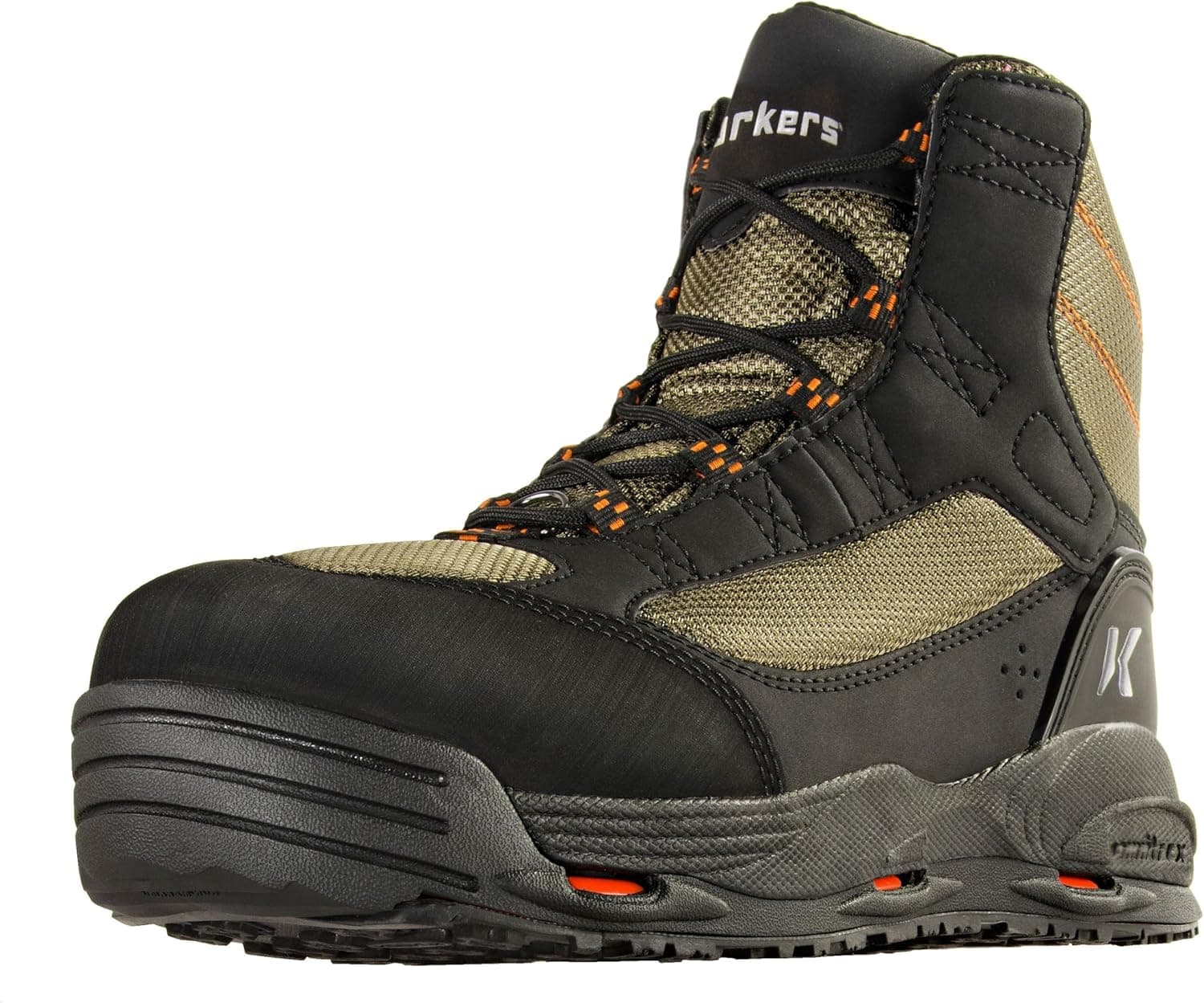
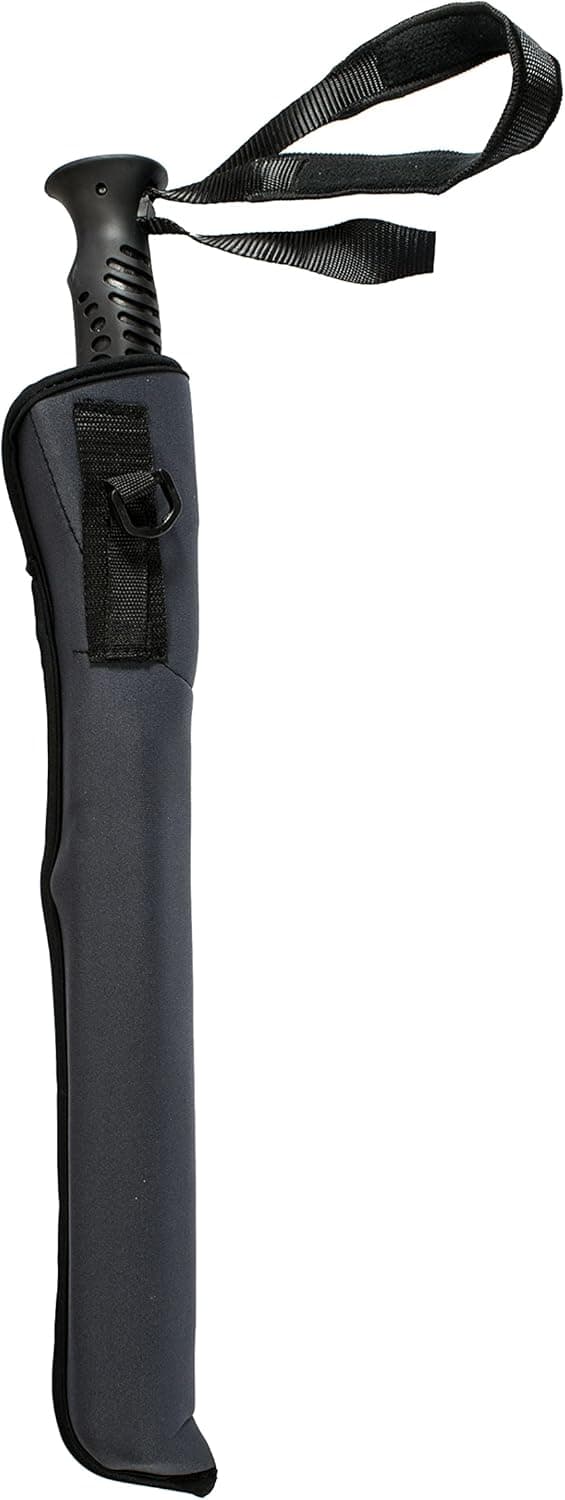
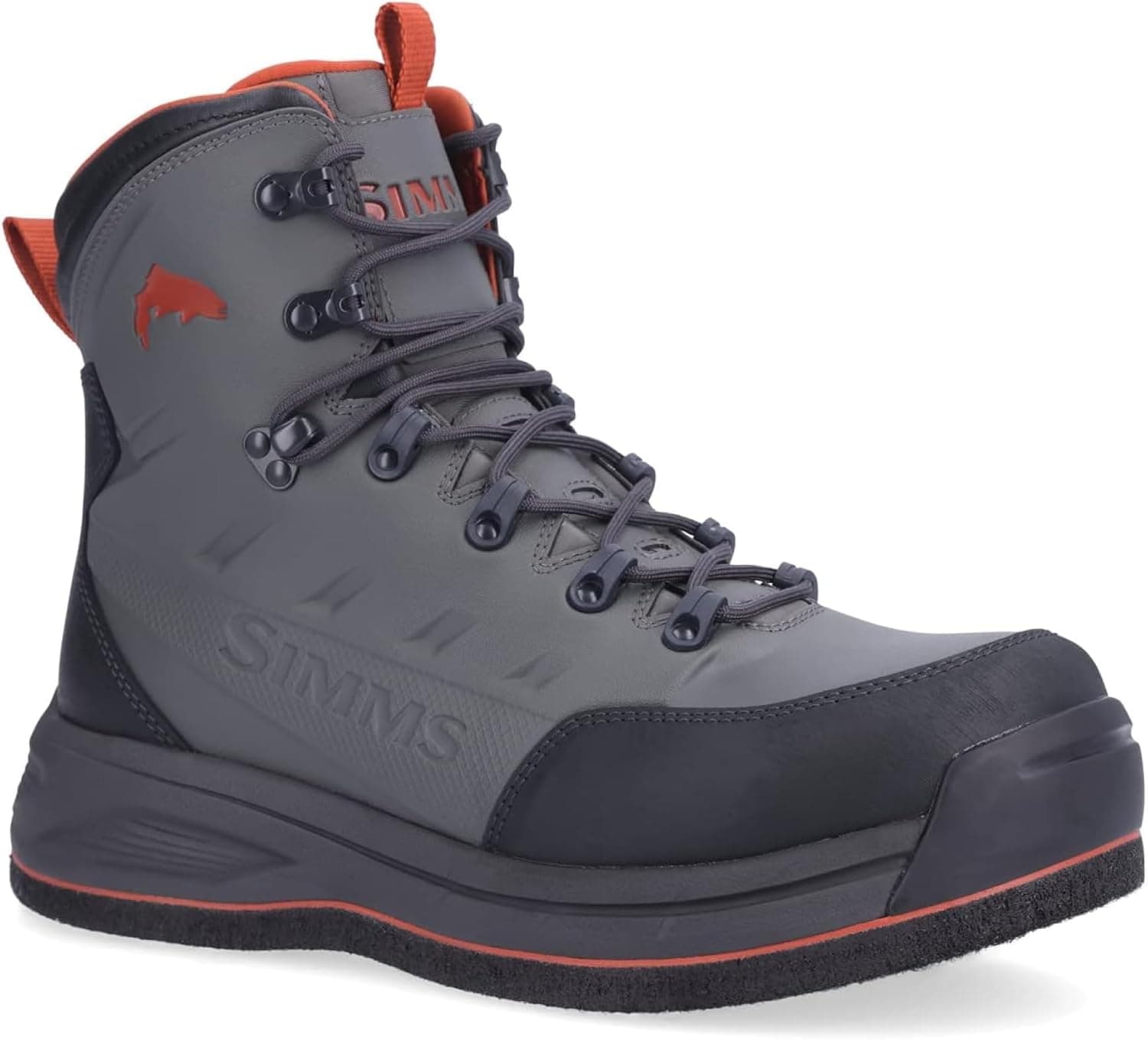
Gear stacks the odds in your favor. Studded rubber soles or felt, where legal, grip far better than plain rubber; check local rules because felt is banned in some regions to slow the spread of invasive species. A wading staff, or even a stout stick, adds a third leg and transforms difficult crossings; collapsible models live on your belt until needed. Always wear your wader belt cinched snugly, it dramatically slows water from filling your waders in a fall, and consider a second belt or a PFD for big water. Polarized glasses let you see the bottom, and cleaning mud and gravel from your boot treads restores traction most anglers do not realize they lost.
Know the specific hazards worth extra caution. Cold water is the silent one: even strong swimmers are impaired within minutes in snowmelt or winter flows, so wade shallower and closer to the bank in cold seasons. Rising water from dam releases or upstream storms can strand you on a bar that was dry an hour ago; on tailwaters, check the release schedule and pick a reference rock to monitor. Avoid wading directly above logjams, low-head dams, and rapids, because a fall there has consequences that flat water does not.
If you do go in, do not fight to stand up in fast, deep current, because a foot wedged between rocks while current pushes you down is the worst-case scenario. Get on your back, feet up and pointed downstream, and use your arms to angle toward the bank while the current carries you to slower water. Keep the rod if it is easy, lose it if it is not. Once in the shallows, roll to your knees and crawl out, then get warm and dry before deciding anything else. Tell someone where you are fishing, fish with a partner in remote or big water, and treat every wade as a decision rather than a default. The river will be there tomorrow; arrange things so you will be too.
Products from this article
The highest-scoring picks from the buying guides mentioned above. Scores are our editorial assessment, not customer ratings.
+ Swap between felt and Kling-On rubber soles to suit each river
From our guide: Best Wading Boots
+ Adjustable 49 to 54 inch length fits a range of angler heights
From our guide: Best Wading Staffs
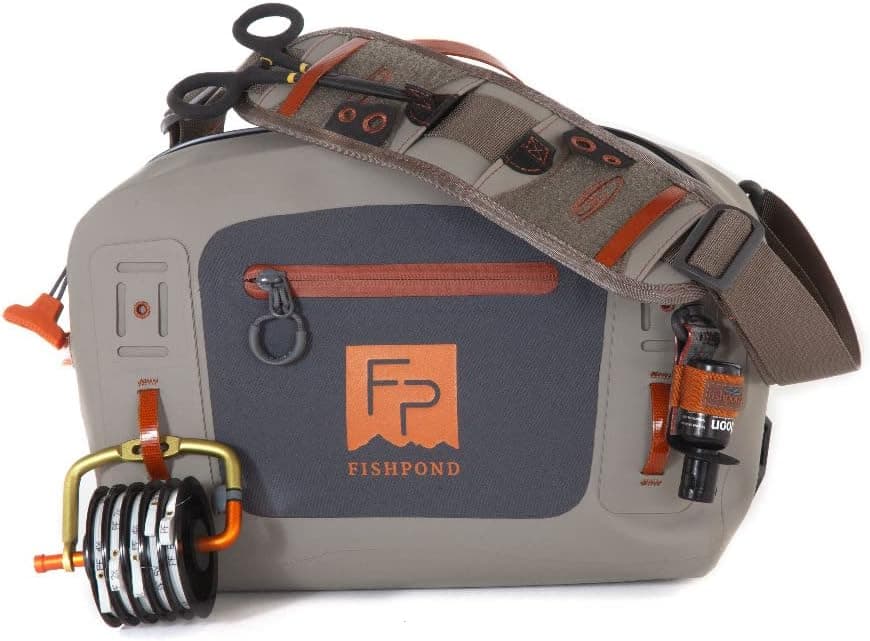
+ Submersible design keeps gear dry even when dunked
From our guide: The Best Gear Bags for Fly Fishing
+ Felt bottom grips algae-covered rocks better than most rubber
From our guide: Best Wading Boots
Popular right now
- Dry Fly vs Nymph vs StreamerArticle
- The Best Waterproof Fly BoxesBuying guide
- The Best Chest Packs for Fly FishingBuying guide
- Best Wader Repair KitsBuying guide
- Fly Fishing Etiquette on Crowded WaterArticle
- Best Fly Rod Combos: Ready-to-Fish Setups That Actually BalanceBuying guide
Based on the last 28 days of search and visitor data.