Neoprene vs Breathable Waders, Plus Stockingfoot vs Bootfoot
Published How we research
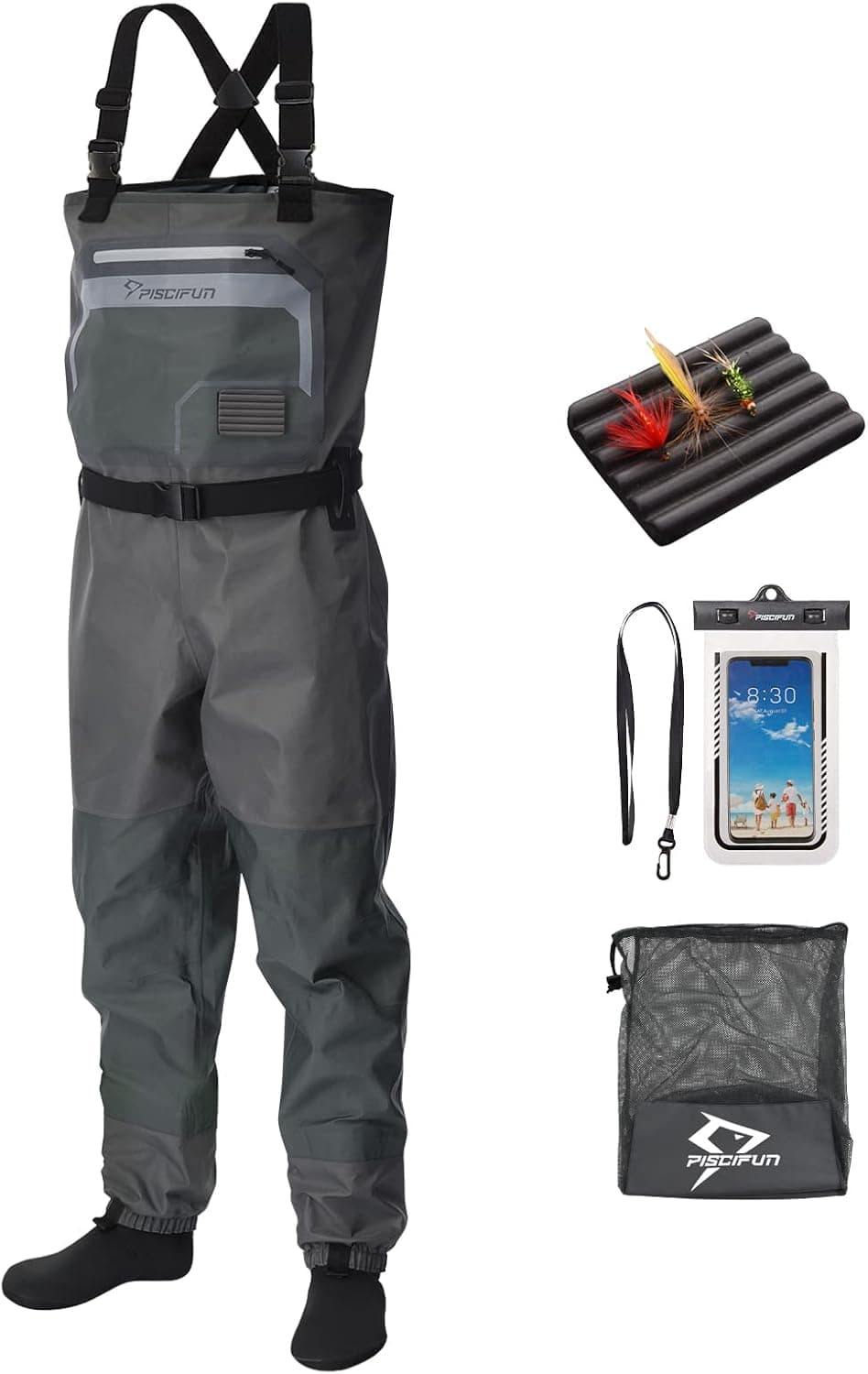
For most fly fishing, breathable waders are the better buy: they keep river water out, let sweat vapor escape, and handle cold water when you layer fleece underneath. Neoprene waders only make sense for very cold water where you stand still for hours, such as winter steelhead or duck blinds. Both materials are waterproof. The real differences are warmth, sweat, weight, packability and how they fail, and the second decision, stockingfoot or bootfoot, matters almost as much as the fabric.
Products from this article
The highest-scoring picks from the buying guides this article links to. Scores are our editorial assessment, not customer ratings.
+ 3-Layer polyester fabric balances breathability and toughness
From our guide: Best Breathable Waders
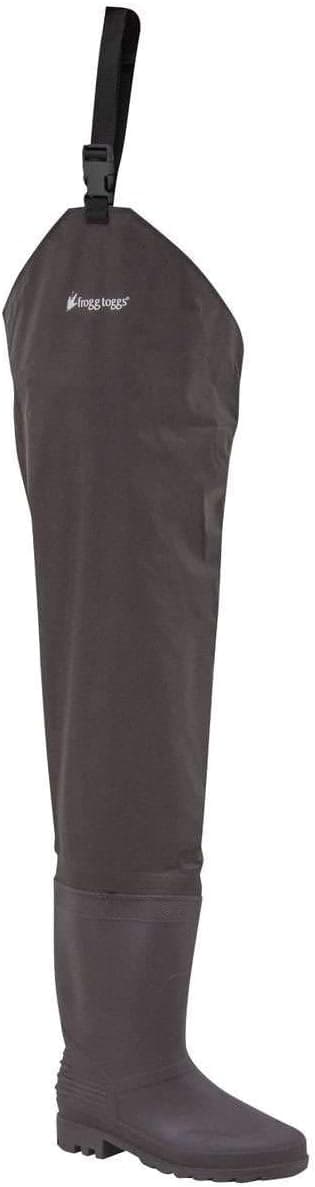
+ Choice of cleated or felt outsole to match your stream bottoms
From our guide: Best Hip Waders
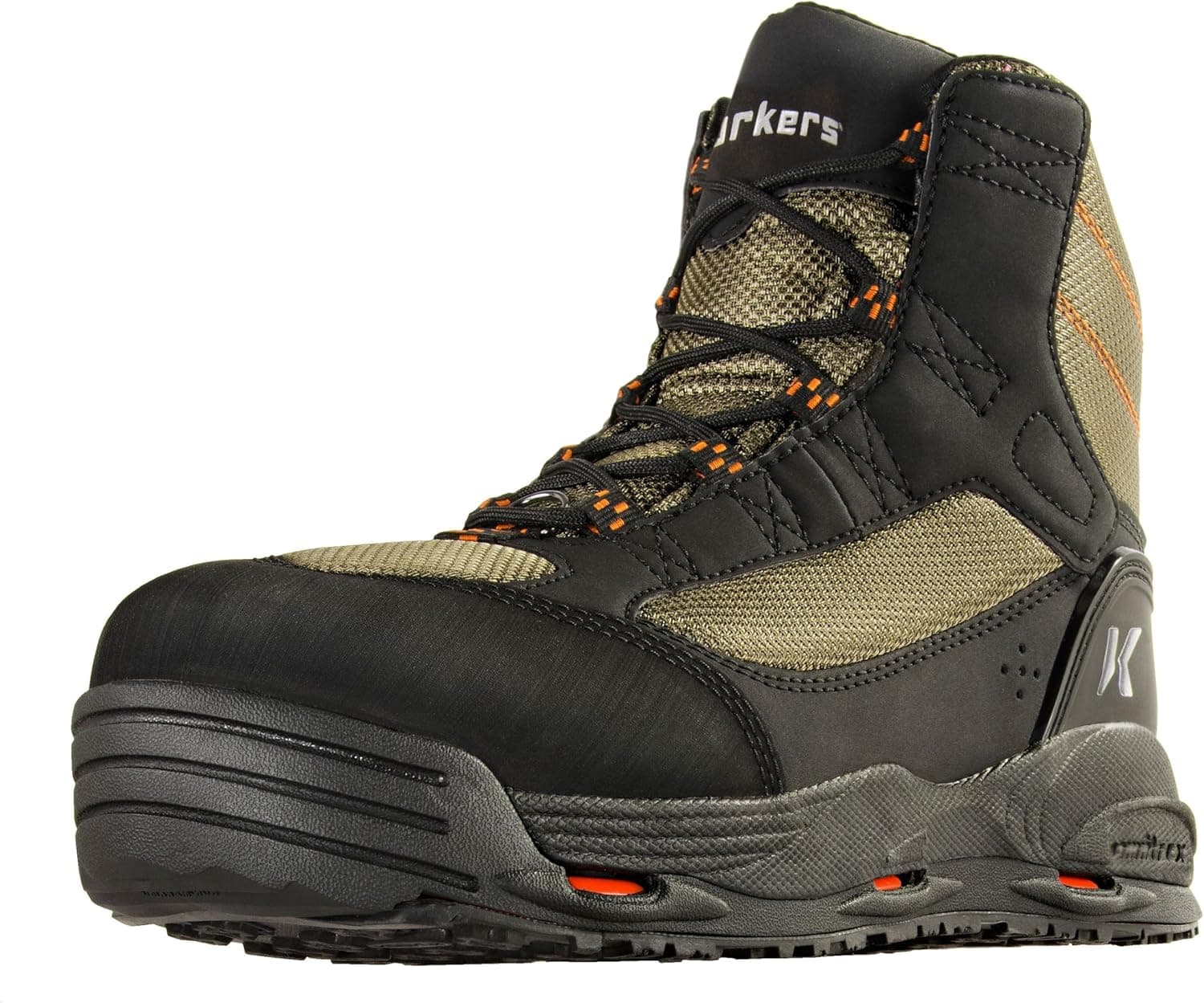
+ Swap between felt and Kling-On rubber soles to suit each river
From our guide: Best Wading Boots
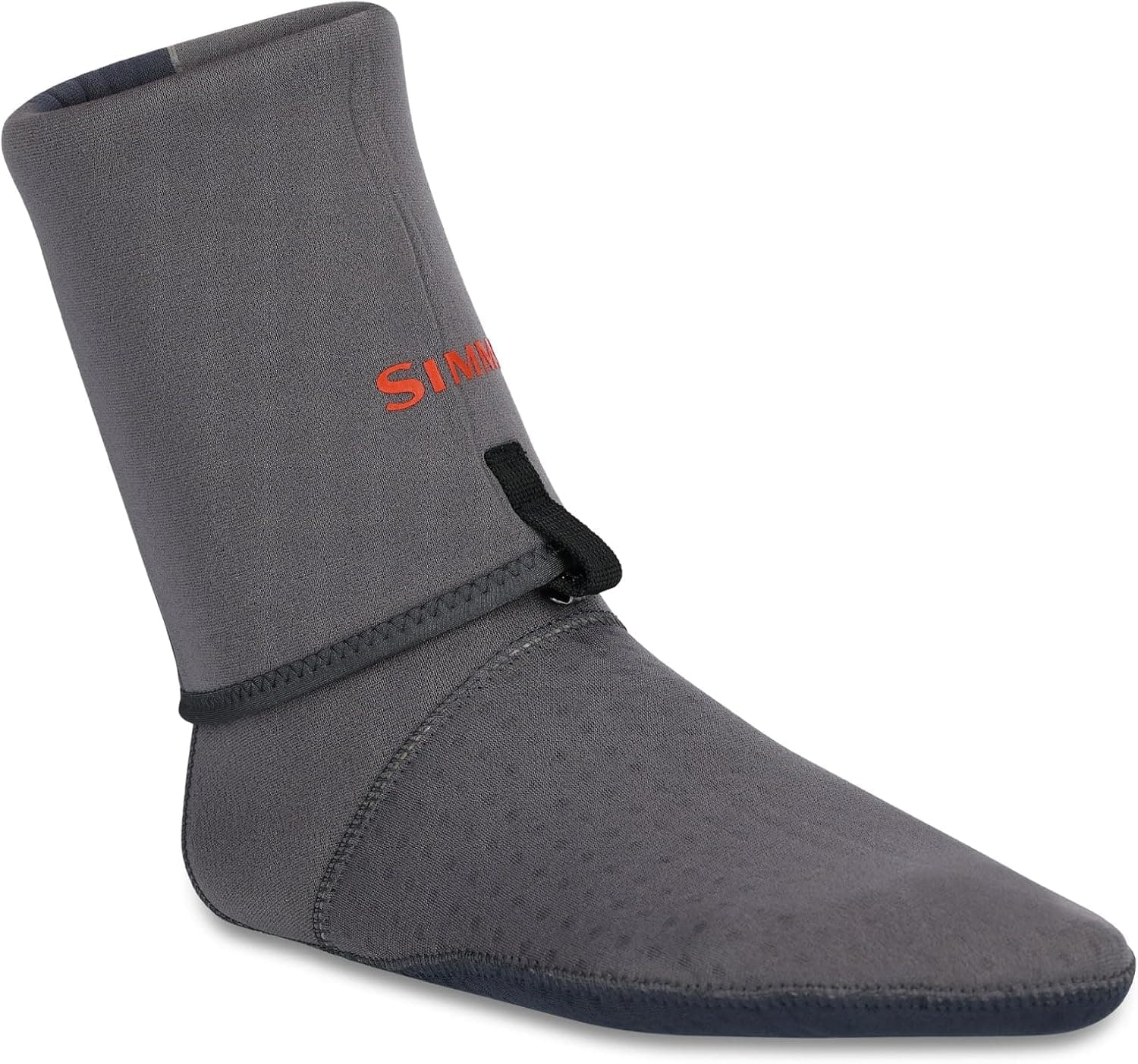
+ 3.5mm neoprene adds warmth for cooler wet wading days
From our guide: Best Wading Socks
How neoprene and breathable waders are built
Neoprene waders are made from closed-cell synthetic rubber foam, usually 3.5 mm to 5 mm thick, with seams that are glued and stitched. The foam is waterproof and insulates like a wetsuit, so the wader itself is warm. It does not let water vapor pass, which means sweat from walking stays inside and condenses on your legs. After a long hike to the river, neoprene feels damp inside even when it has not leaked.
Breathable waders use a laminate of a waterproof membrane bonded between face fabrics, sold as 3-layer, 4-layer or 5-layer construction. Liquid water cannot get through the membrane, but water vapor from your body can, so moving around does not leave you soaked. Many models add extra layers only in the lower legs and seat, where kneeling and sliding on rocks cause most wear. More layers add durability and a little weight, not warmth: breathable fabric is thin, and the warmth comes from what you wear under it.
Warmth and water temperature: which one fits your season
Water temperature decides this more than air temperature. In water below about 45 F, standing still for an hour pulls heat out of your legs fast. Neoprene helps most there, especially if you fish from one spot, swing flies for steelhead in winter, or sit in a boat with your legs in the cold. In those conditions, 5 mm neoprene is warmer than any breathable wader with normal layers.
For typical trout fishing, from early spring to late fall, breathable waders with layering cover the range. Wear thin synthetic or merino base layers in mild water, and add fleece pants or insulated wader pants as the water gets colder. You can take layers off at noon; you cannot take neoprene off. In summer, once the water is warm enough to wet wade comfortably, both are hot, and many anglers switch to wading shoes and neoprene socks instead. Avoid cotton under either type: it holds sweat and makes you colder.
Weight, packing and durability
Neoprene waders are heavy, bulky and slow to dry. A wet pair can take a day or more to dry inside and out, and they do not fold small. That makes them a poor choice for hiking into backcountry water, flying to a fishing trip or fishing several days in a row. Breathable chest waders weigh much less, roll into a gear bag and usually dry overnight when hung upside down.
Durability cuts both ways. Neoprene shrugs off brush and barbed wire better than thin breathable fabric, and a small cut rarely spreads. The foam does compress with age and the glued seams can open after several seasons. Breathable waders most often fail as pinholes in the knees and inner thighs, seam leaks or worn booties. Both can be patched: a urethane repair adhesive such as Aquaseal works on neoprene and on breathable fabric, and a small kit in your bag turns a leak into a short break instead of a wet day.
Stockingfoot vs bootfoot
Stockingfoot waders end in a sewn-on neoprene bootie, and you wear a separate wading boot over it. Bootfoot waders have a rubber boot permanently attached. Stockingfoot is the standard for walk-and-wade fly fishing because a laced wading boot holds your ankle firmly on slippery, uneven rocks, and you can choose the boot and sole type separately. The trade-off is cost, since you buy boots too, and time spent lacing up with cold hands.
Bootfoot waders go on and off in seconds, have no laces to freeze, and keep the foot warmer because there is an air gap and no tight lacing over the bootie. They suit boat fishing, lake shores, short walks from the truck and winter conditions. On long hikes and in fast water, the loose boot gives less ankle support and the whole wader feels heavier. Because the boot cannot be replaced, a worn sole or a cracked boot often means replacing the whole wader.
Chest, waist or hip height
Chest waders are the default because they let you cross a riffle at thigh to waist depth and kneel on gravel without water coming over the top. Waist-high waders are cooler and easier to move in, and suit small streams where you rarely wade above the thigh. Hip waders are two separate legs that clip to your belt: they are light and quick, and they work for small creeks and shore fishing, but anything deeper than mid-thigh goes over the top.
Whatever the height, wear a snug wading belt over chest or waist waders. It does not stop water from entering if you fall, but it slows how fast the legs fill and helps you get back up. Wading safely matters more than fabric choice, and a belt is the cheapest piece of safety gear you own.
Getting the fit right
Wader size charts use chest, inseam and shoe size, and the inseam matters most. Too short and the crotch pulls when you high-step over a boulder; too long and extra fabric folds behind the knee, where it rubs through and leaks. Size the chest with the layers you plan to wear in cold weather, and check that you can squat and lift a knee to your waist without the fabric tightening.
For stockingfoot waders, the neoprene bootie plus a wading sock adds bulk inside the boot, so many brands tell you to order wading boots one size above your street shoe. Check the boot maker's chart, and try them on with the bootie and the socks you will actually wear. A thin wicking liner sock under a thicker wading sock helps keep the bootie from rubbing and gives you warmth to adjust on cold days.
Frequently asked questions
Are neoprene waders waterproof? Yes. Neoprene foam itself does not let water through, so any water inside comes from a seam, a puncture, water over the top or your own sweat. Because neoprene does not breathe, condensation after a hike can feel like a leak even when the wader is sound.
Are breathable waders warm enough for winter fishing? For most winter trout fishing, yes, if you layer properly: a synthetic or merino base layer, fleece or insulated wader pants on top, and thick wading socks. If you stand in water near freezing for hours, neoprene or a bootfoot breathable with insulated boots is the warmer setup.
Can I wear neoprene waders in summer? You can, but most anglers find them too hot once air temperatures climb, and the trapped sweat makes them uncomfortable. In warm water, wet wading or lightweight breathable waders are the better choice.
Do I need wading boots with stockingfoot waders? Yes. The neoprene bootie has no sole and will wear through quickly on rocks. Wear a wading boot sized for the bootie, with felt or rubber soles depending on local rules and the rivers you fish.
Popular right now
- Dry Fly vs Nymph vs StreamerArticle
- Best Kids Fly Rods: Short, Tough Setups That Keep It FunBuying guide
- The Best Waterproof Fly BoxesBuying guide
- Best Beginner Fly Rods: Forgiving Rods That Teach a Clean CastBuying guide
- Best Euro Nymph Lines: Thin Lines for Tight-Line ControlBuying guide
- Best Wader Repair KitsBuying guide
Based on the last 28 days of search and visitor data.