Five Beginner Fly Patterns That Cover Most Water
Published How we research
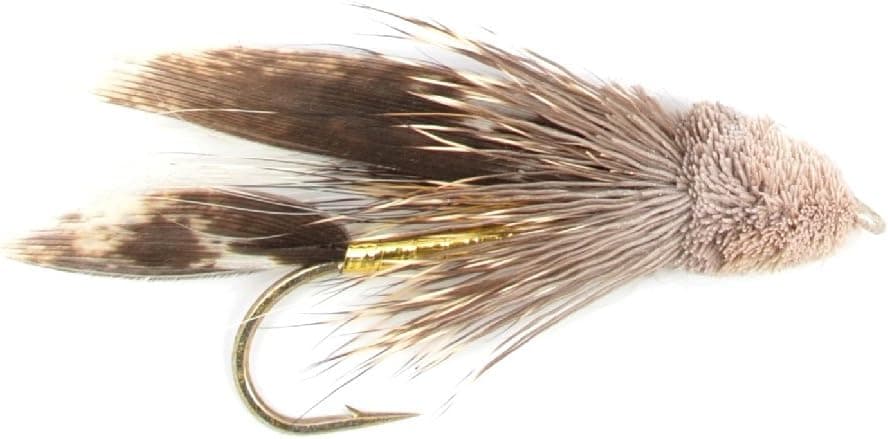
Fly selection paralyzes new anglers more than casting does. Shop bins hold hundreds of patterns, most of which are variations on a handful of ideas, and it is easy to believe that catching fish depends on finding the exact right one. It rarely does. Five well-chosen patterns, carried in a few sizes and fished in the right water, will cover the large majority of trout days across most of the country. Presentation and location matter more than the fly, and a small selection forces you to focus on both.
The first is a beadhead pheasant tail nymph, in sizes 14 through 18. It is a passable imitation of a huge range of mayfly nymphs, and the slim profile and subtle flash read as food in almost any water. Fish it under an indicator, on a tight line in faster runs, or as the dropper below a dry fly. If you had to pick one fly to fish everywhere, this would be a reasonable choice. Carry a few with tungsten beads for deeper runs and a few unweighted for shallow riffles.
The second is a hare's ear nymph, again in 14 through 18, weighted or unweighted. Where the pheasant tail is slim and precise, the hare's ear is buggy and vague, and that vagueness is the point. Trout take it for caddis pupae, mayfly nymphs, and small stoneflies alike. The two patterns together give you a slim and a fat option in the same size range, which is often the only adjustment you need when fish look at a nymph and refuse it.
The third is an elk hair caddis in sizes 14 through 18. It floats well, it is visible in broken water, and caddis are present on most trout rivers through much of the season. Beyond imitating caddis, it works as a searching dry fly when nothing is hatching, especially fished with a slight twitch along a bank. It also makes an excellent indicator for a dropper nymph, since the hair wing supports real weight without drowning the way a delicate hackled dry would.
The fourth is a parachute Adams, sizes 14 through 20. It suggests a generic mayfly dun well enough to fool fish during many hatches, and the white post makes it easy to track in flat light. Small sizes matter here more than anywhere else, because when trout are on tiny blue-winged olives, a size 20 catches fish that ignore a size 14. Fish it dead drift on a leader long enough to keep the fly line well away from the fish.
The fifth is a woolly bugger in olive or black, sizes 6 through 10. It covers everything the other four do not: sculpins, leeches, crayfish, damselfly nymphs, and anything else large and moving. Strip it through pools, swing it on a tight line, or dead drift it under an indicator in high water. It also travels well to bass ponds and stillwaters, which makes it the most versatile fly in a beginner's box.
Fish these five with intent rather than rotating through them at random. Match the fly to the water column first: bugger or weighted nymph for deep and fast, dry fly for rising fish or shallow riffles, unweighted nymph for the water in between. If a fly is refused after a good drift, change size before you change pattern, then change the drift itself. Adding new patterns is enjoyable, and eventually you will, but a full season spent learning these five teaches more than a box of two hundred flies you have never fished twice.
Products from this article
The highest-scoring picks from the buying guides mentioned above. Scores are our editorial assessment, not customer ratings.
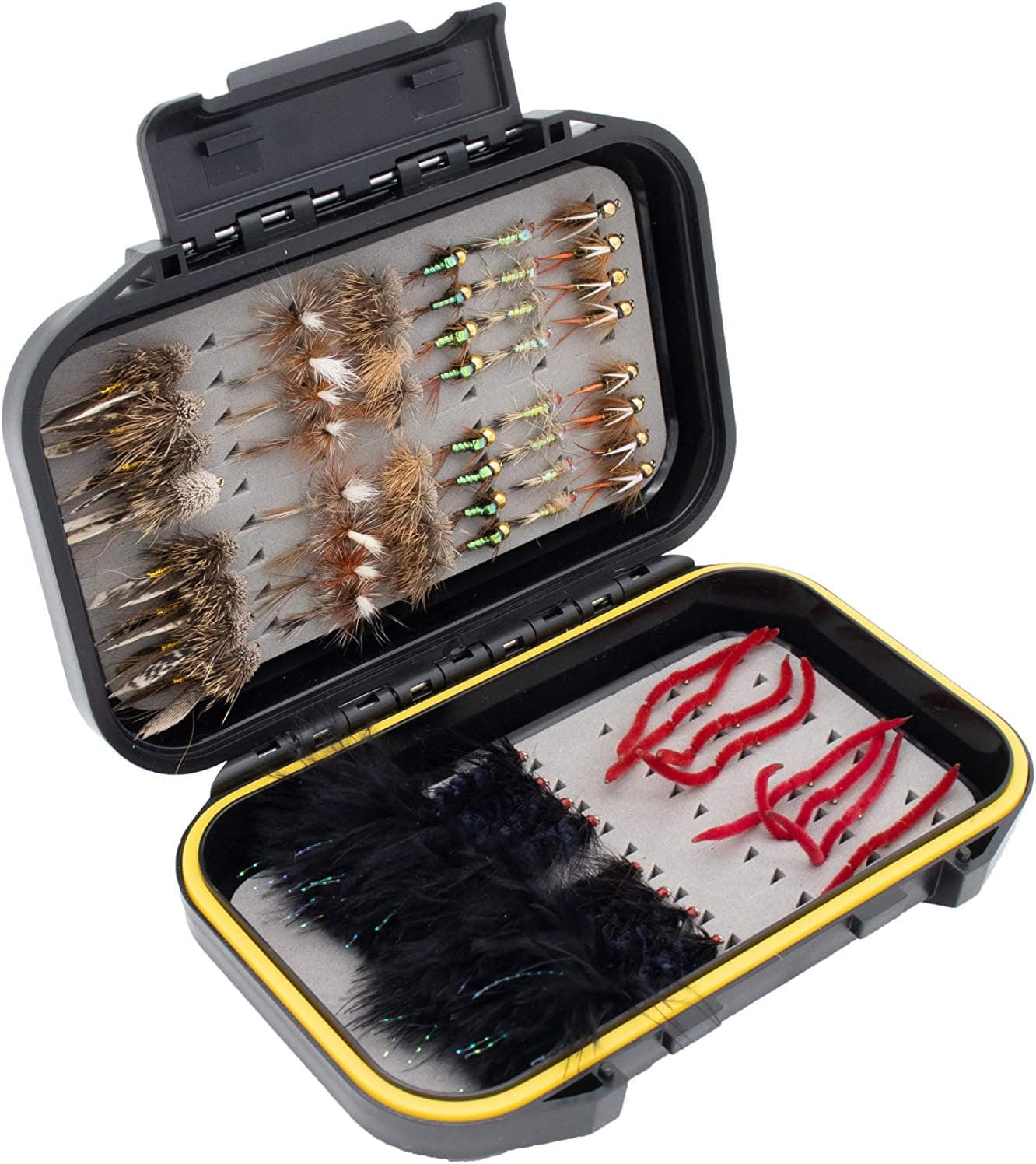
+ 64 barbless flies make catch and release easier on trout
From our guide: Best Trout Fly Assortments
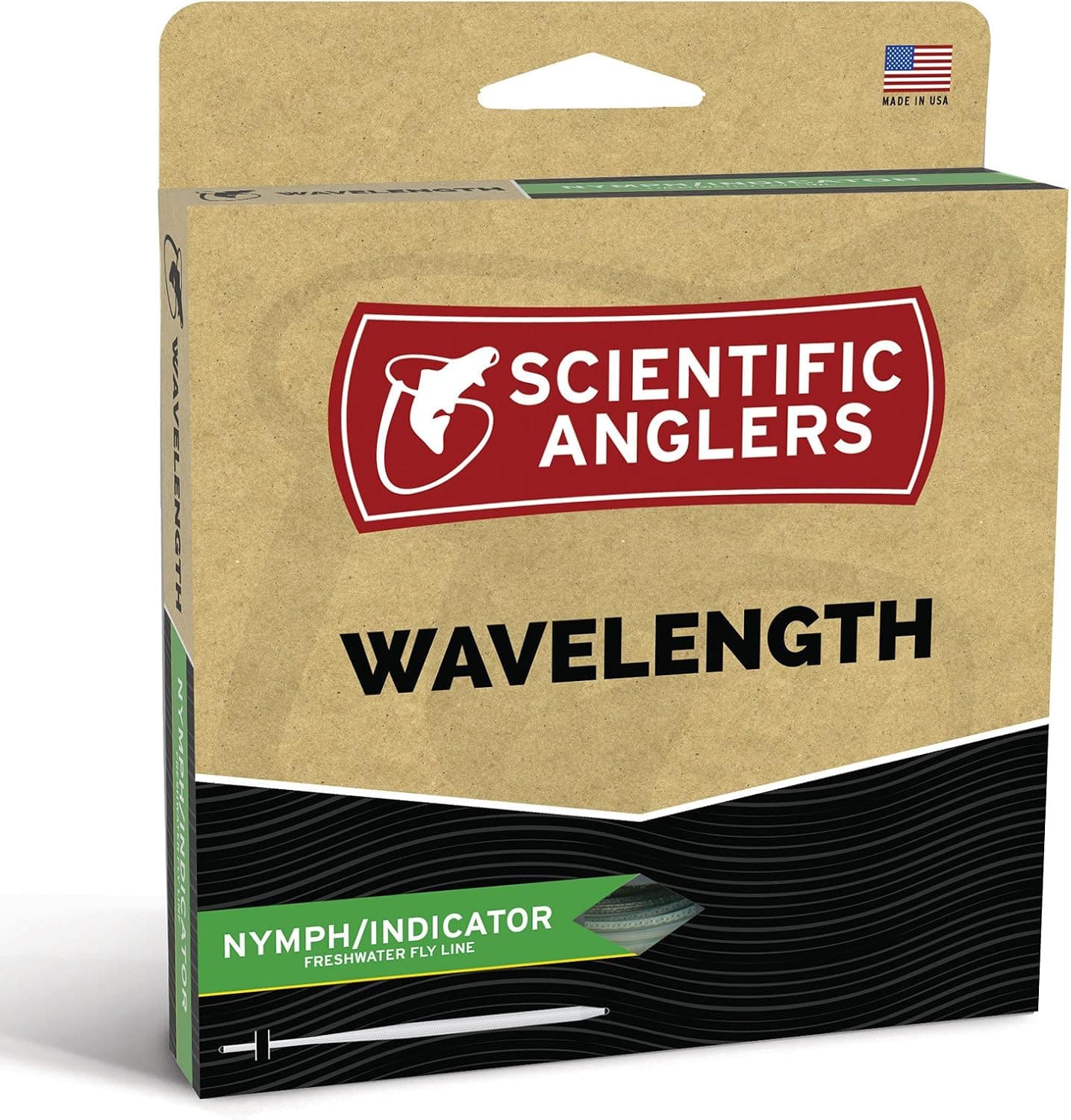
+ Nymph taper turns over heavy flies, split shot and indicators
From our guide: Best Floating Fly Lines: The Upgrade Most Rods Are Waiting For
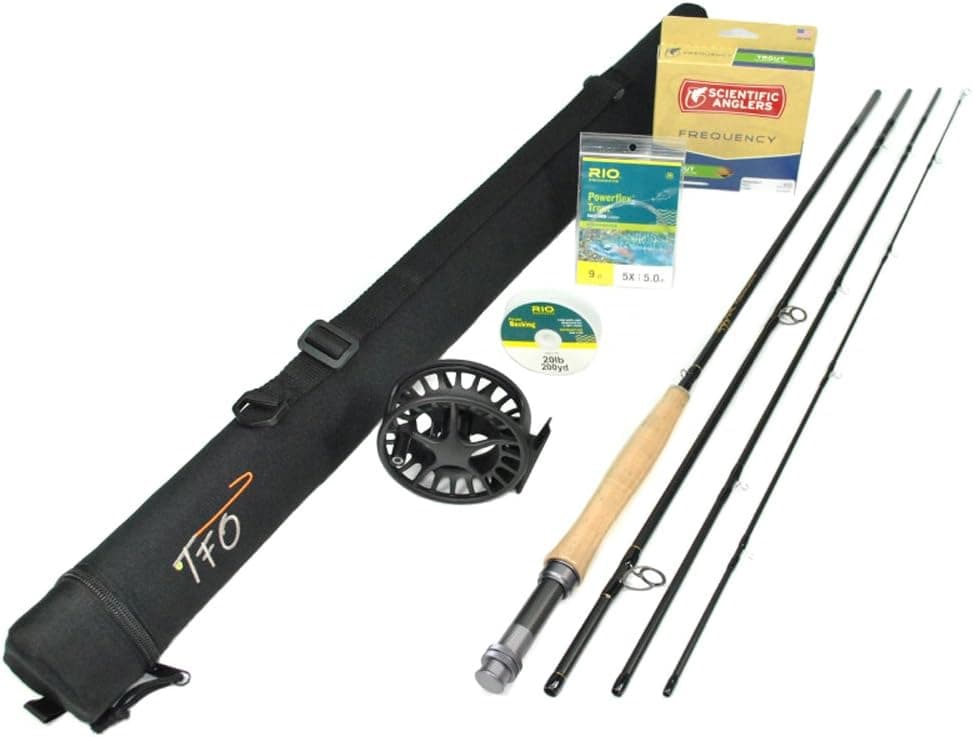
+ Outfit includes reel and line matched to the rod for a balanced setup
From our guide: Best 5-Weight Fly Rods: The One Trout Rod That Does It All
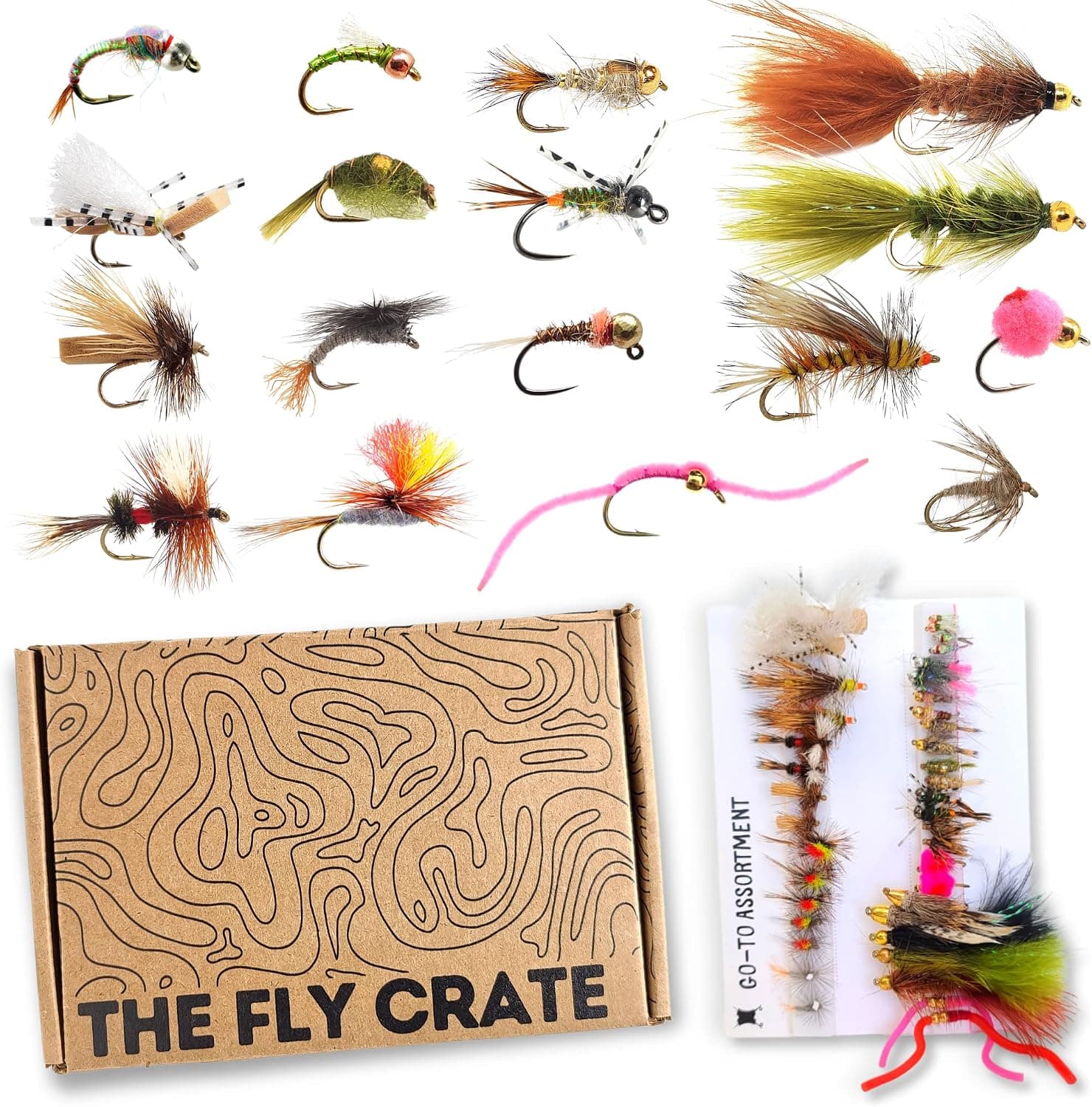
+ 40 flies across dries, nymphs, wets and streamers cover many situations
From our guide: Best Trout Fly Assortments
Popular right now
- Dry Fly vs Nymph vs StreamerArticle
- The Best Waterproof Fly BoxesBuying guide
- The Best Chest Packs for Fly FishingBuying guide
- Best Wader Repair KitsBuying guide
- Fly Fishing Etiquette on Crowded WaterArticle
- Best Fly Rod Combos: Ready-to-Fish Setups That Actually BalanceBuying guide
Based on the last 28 days of search and visitor data.