How to Keep Your Dry Fly From Sinking
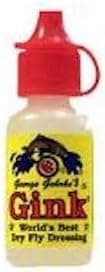
A dry fly that floats high and drifts naturally is essential when trout are rising, but many flies start sinking after a few casts or after a fish chews them up. Waterlogged hackle, slimy fish residue, heavy tippet and rough water all pull flies under. Floatants, desiccants and good casting habits keep dries on the surface far longer.
Treat flies before they get wet
Gel and liquid floatants work best when applied to a dry fly before the first cast. Rub a small amount between your fingers and work it lightly into the hackle, wings and body, avoiding clumping the fibres together.
Applying heavy floatant to an already waterlogged fly traps water inside and makes it sink faster. Too much gel also mats down hackle and reduces the fly's natural float.
Dry flies with desiccant powder
After a fly gets soaked or catches a fish, rinse it gently in the river to remove slime, blot it with an absorbent cloth or chamois and shake it in a desiccant powder or crystal floatant. These products absorb water and coat the fly with a water-repellent layer.
Desiccants are especially effective for CDC flies, which are easily ruined by gel floatants. Follow product instructions, since some powders are designed only for certain materials.
Use false casts wisely
A few false casts flick water off the fly and help it dry before landing. This simple habit restores float between drifts.
Excessive false casting can spook fish and tire you, though. Use just enough to shed water, and keep casts smooth to avoid tangles.
Match tippet to fly size
Heavy tippet pulls small dry flies under and creates drag. Use tippet sized appropriately for the fly, such as finer tippet for small mayfly patterns.
Dressing the last part of the leader with floatant can help it float, but keep floatant off the tippet near the fly if fish are leader-shy.
Choose buoyant patterns
Flies tied with foam, elk hair, deer hair and high-quality hackle float better in fast or broken water. Parachute patterns ride lower but remain visible and float well.
Carry a mix of high-floating attractor patterns and more imitative patterns for calm water. Replace flies that are badly chewed or waterlogged.
Watch water conditions
Riffles and turbulent water push flies under more often than slow pools. Keep flies well dressed and recast more frequently in choppy water.
Mending line reduces drag that pulls flies under. A natural drift helps both floating and hooking fish.