What to Pack for a Day of Fly Fishing
Published How we research
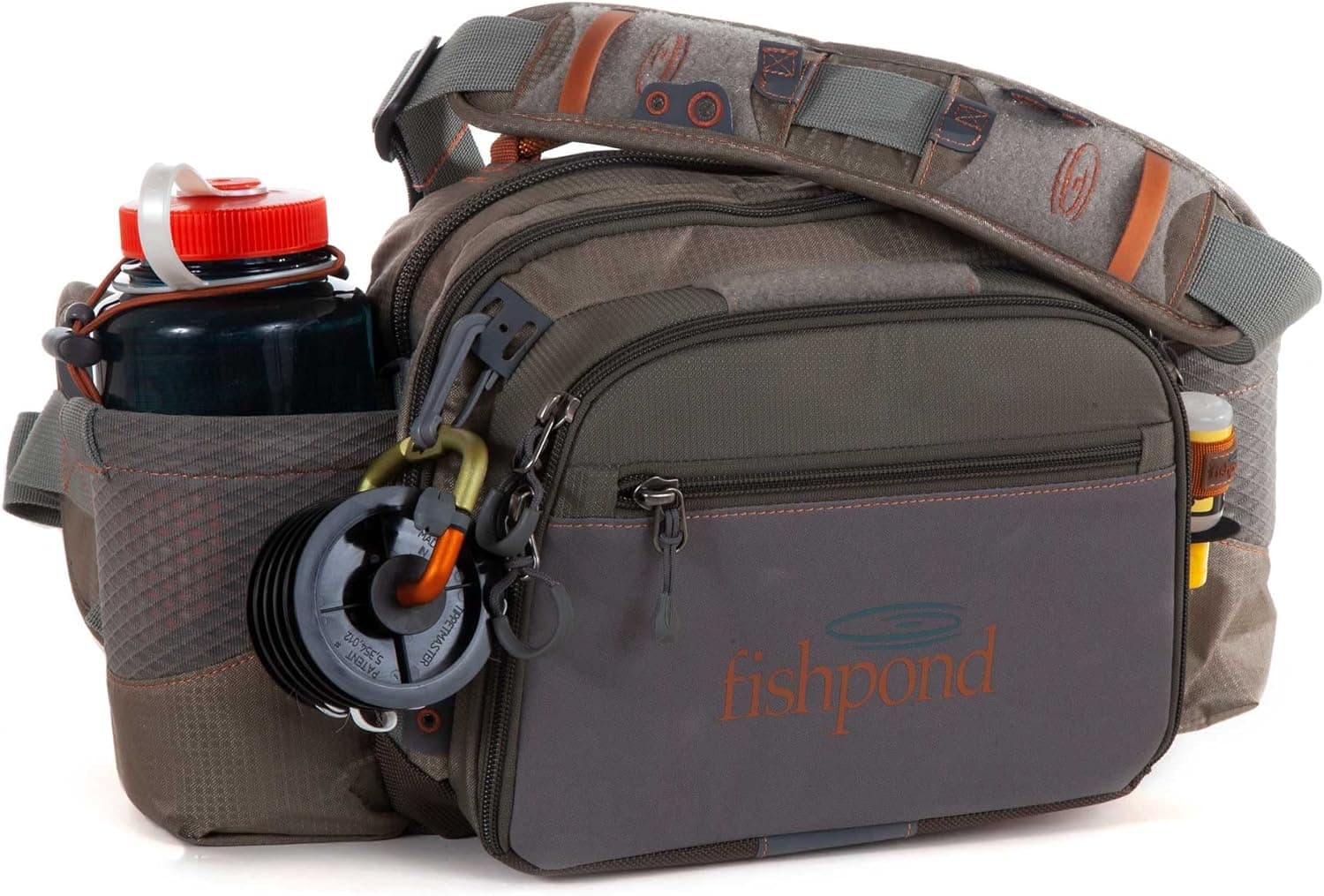
The difference between a comfortable day on the water and a miserable one usually comes down to a handful of small items you either brought or forgot. New anglers tend to swing between two extremes: a vest so loaded it pulls on the shoulders by noon, or a shirt pocket holding one fly box and nothing else. The useful middle ground is a short list of things you will genuinely use, carried in a pack you can reach into without looking. Build that list once, keep it packed between trips, and you stop rebuilding your kit in the dark at 5 a.m.
Start with the items that end a trip if they fail. Tippet is first, because you will burn through more than you expect after break-offs and fly changes. Carry at least two spools that bracket the size you plan to fish, say 4X and 5X for average trout water, plus one heavier spool for building leader butts or fishing streamers. Add two or three tapered leaders, a spare fly line only if you are far from the car, nippers, forceps for pinching barbs and backing hooks out, and floatant. A small bottle of desiccant powder revives a drowned dry fly faster than anything else in the pack.
Flies deserve restraint. Two boxes cover almost any trout day: one with dries and emergers, one with nymphs and a few streamers. Resist the urge to bring the whole collection. You fish better when the choice is between six reasonable options instead of sixty, and a lighter pack means you wade farther and stay out longer. If you are fishing a river you know well, cut it to a single box organized by the hatches that actually show up there.
Everything else on the list protects you rather than catches fish. Polarized sunglasses do double duty, cutting glare so you can read the bottom and shielding your eyes from a fly that comes back in the wind. Bring more water than feels necessary, because wading is more work than it looks, and cold water does a good job of hiding thirst. Add sunscreen, a brimmed hat, a rain shell that packs small, and a snack you can eat one-handed. A headlamp belongs in the pack year round, not just on evening trips, since a hatch that keeps going past dark is exactly when you will need it.
Safety items are the ones you hope stay unused. A compact first aid kit with tweezers, adhesive bandages, and tape covers most streamside problems. A whistle weighs nothing and carries much farther than your voice. If you fish alone, tell someone where you are going and roughly when you expect to be back, and consider carrying a phone in a waterproof pouch even where there is no signal, since a dead battery from a wet pocket helps nobody. In cold months, add a spare base layer sealed in a dry bag. Falling in is unpleasant in July and genuinely dangerous in November.
Organization matters as much as content. Assign each item a permanent home so your hand can find nippers or floatant without your eyes leaving the water. Keep the things you use constantly on a zinger or in the outermost pocket, and bury the backups you touch once a month. A sling pack or chest pack usually beats a vest for shorter days, while a small backpack makes sense when you hike in or fish through weather. Whatever you use, dump it out at the end of the season, throw away the rusted hooks and cracked leaders, and repack it clean.
Finally, keep a second tier of gear in the car rather than on your back. Dry clothes, a towel, spare boot laces, extra water, and a lunch you can look forward to all belong in a plastic tote in the trunk. That car kit lets you strip a soaked layer after a slip, warm up for twenty minutes, and get back out instead of driving home early. The pack on your shoulders should be light enough that you forget it is there, and the car should hold everything else.
Products from this article
The highest-scoring picks from the buying guides mentioned above. Scores are our editorial assessment, not customer ratings.
+ Pro Guide size holds multiple fly boxes, tippet and a jacket
From our guide: The Best Hip Packs for Fly Fishing
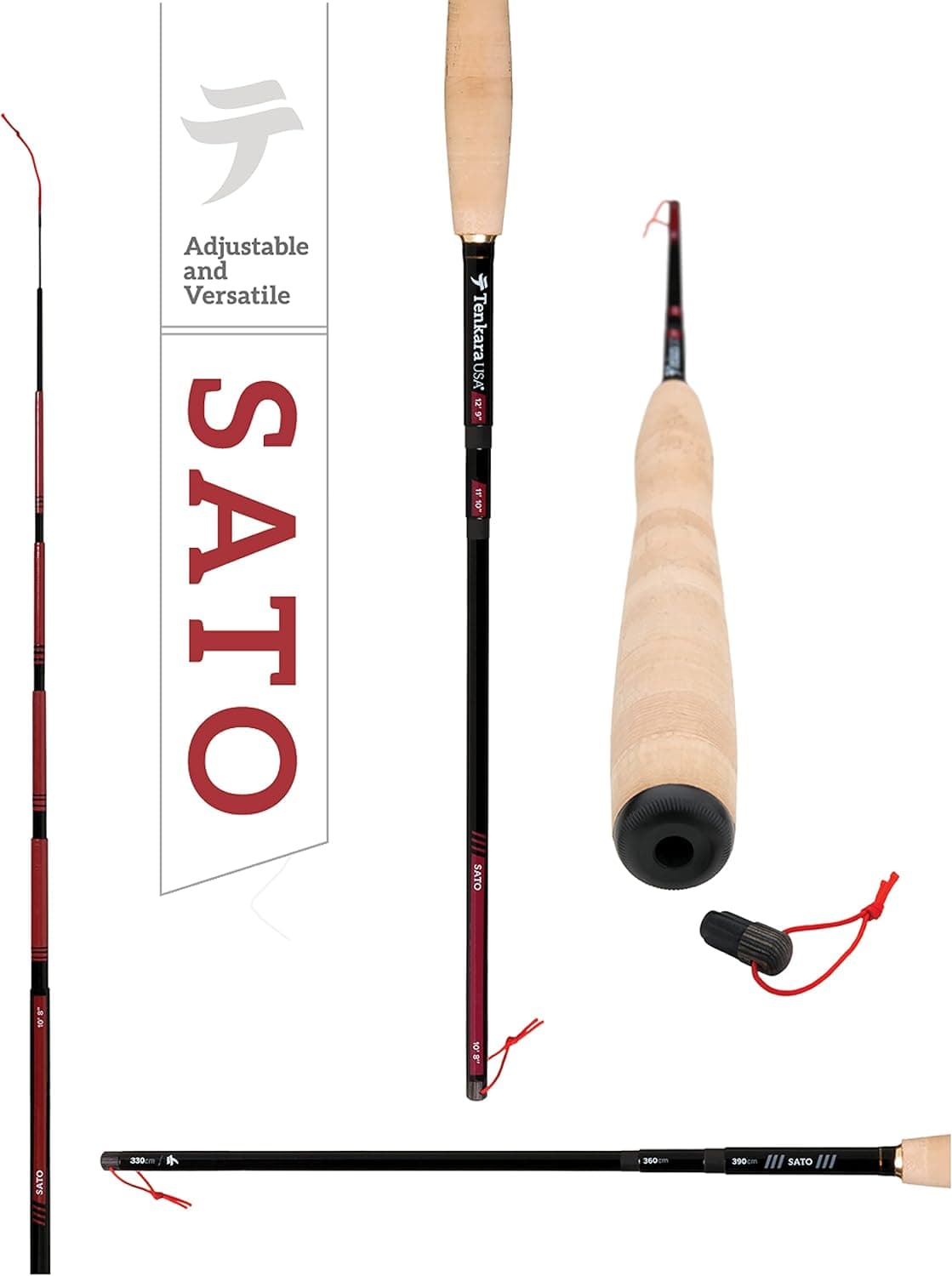
+ 3 adjustable lengths let you shorten under trees and extend on open water
From our guide: Best Tenkara Rods: Simple Fixed-Line Fishing Done Right
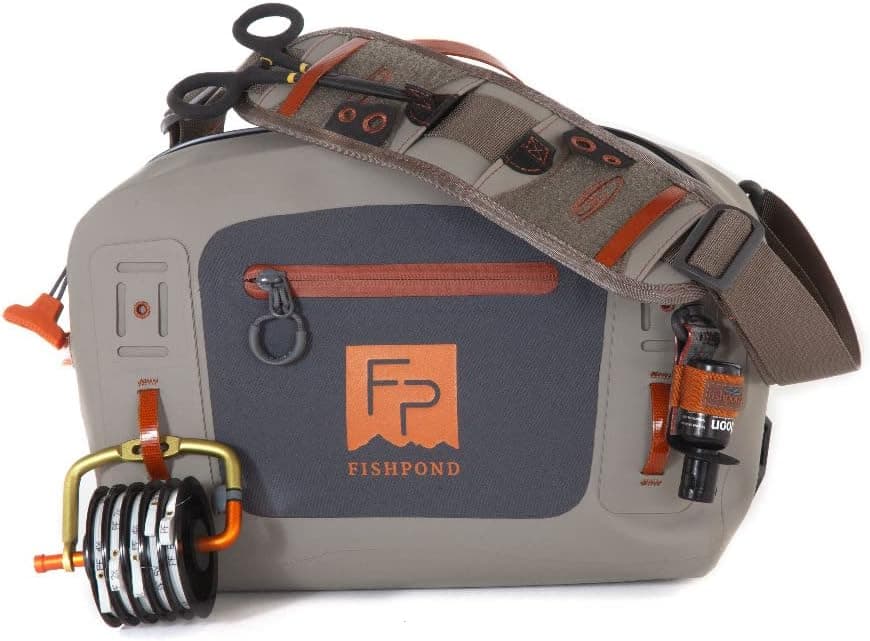
+ Submersible design keeps gear dry even when dunked
From our guide: The Best Gear Bags for Fly Fishing
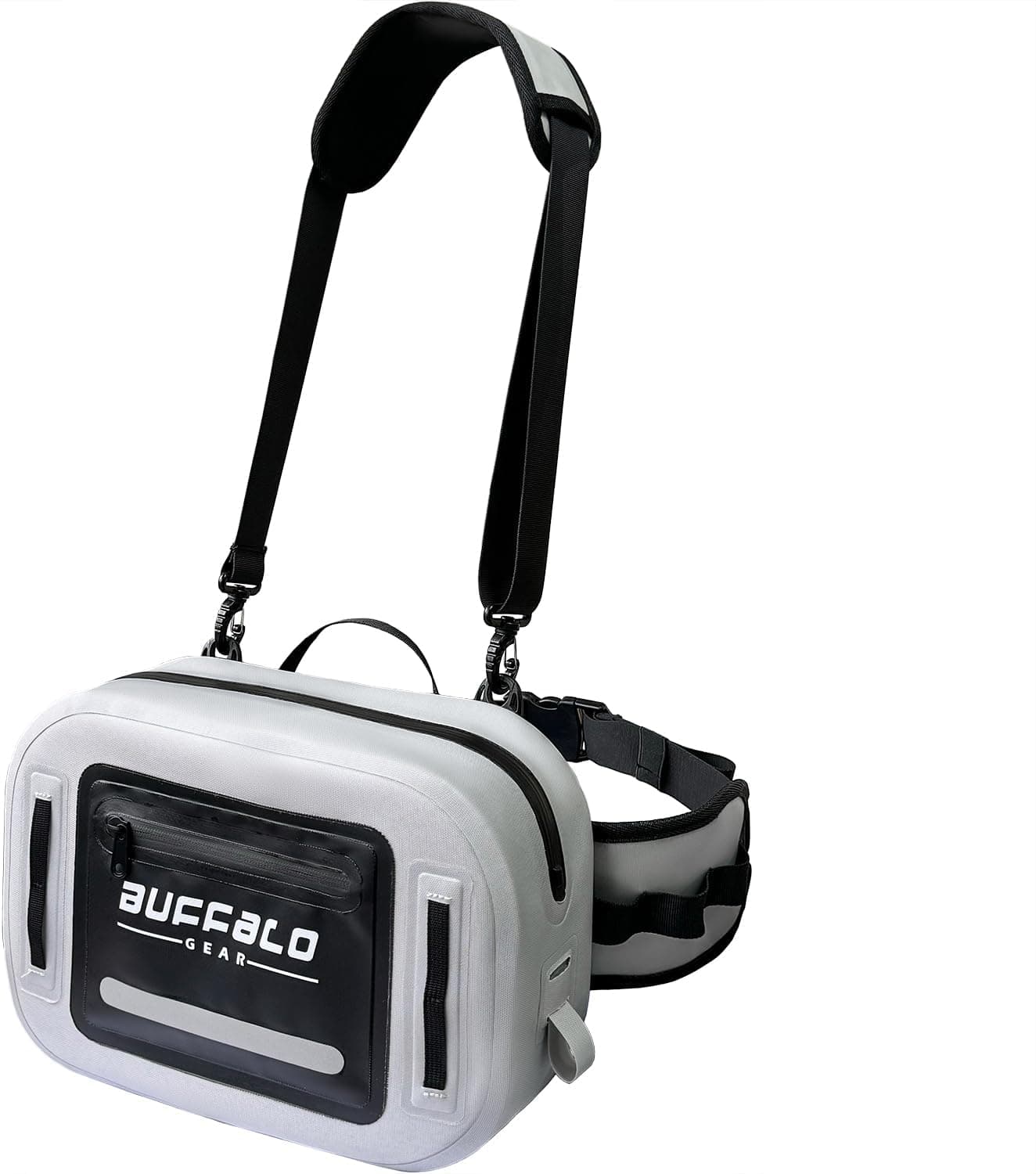
+ 8.9L capacity fits multiple fly boxes and a phone
From our guide: The Best Hip Packs for Fly Fishing
Popular right now
- Dry Fly vs Nymph vs StreamerArticle
- The Best Waterproof Fly BoxesBuying guide
- The Best Chest Packs for Fly FishingBuying guide
- Best Wader Repair KitsBuying guide
- Fly Fishing Etiquette on Crowded WaterArticle
- Best Fly Rod Combos: Ready-to-Fish Setups That Actually BalanceBuying guide
Based on the last 28 days of search and visitor data.