Tenkara
Published How we research
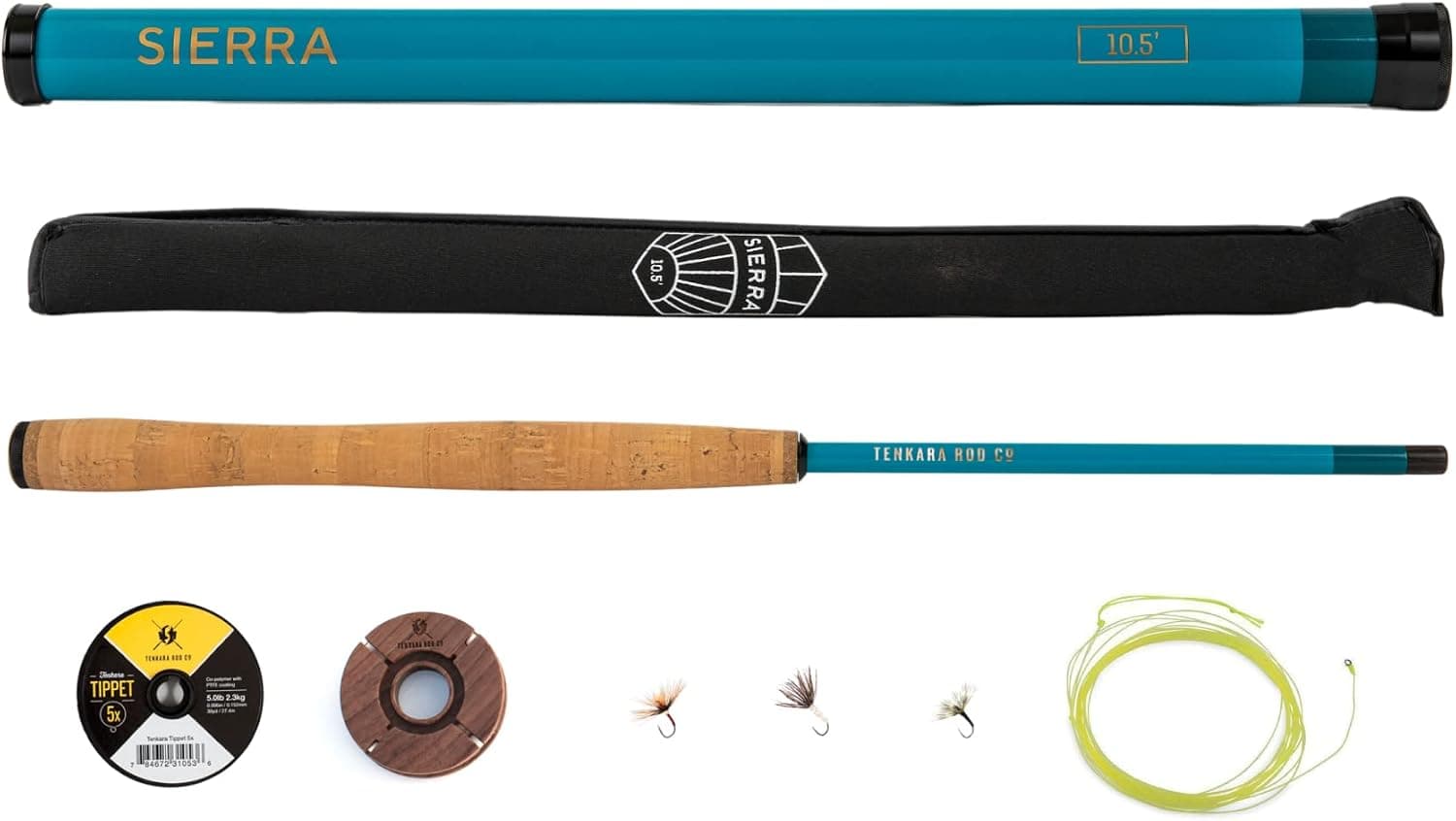
Tenkara is fly fishing reduced to its essentials: a long telescoping rod, a fixed length of line tied to the tip, a tippet, and a fly. No reel, no guides, no backing, no decisions about fly line tapers. The method comes from the mountain streams of Japan, where commercial anglers refined it over centuries for one job: catching trout and char from pocket water efficiently. That heritage shows. On small, tumbling streams, tenkara is not a compromise or a novelty; it is frequently the most effective tool on the water.
The gear list fits in a pocket. A typical tenkara rod telescopes from about 20 inches down to a package you can strap to a daypack, and extends to 11 to 13 feet of soft, precise action. The line is either a tapered furled line or, more commonly now, a level fluorocarbon line roughly the length of the rod, attached to a braided tip section called the lillian. Add 3 or 4 feet of 5X tippet and a fly, and you are rigged. The whole kit costs a fraction of a western outfit, weighs ounces, and sets up in about two minutes, which changes how you fish: you take the twenty-minute window after work because rigging is no longer a project.
Casting a tenkara rod is easy to learn and quick to sharpen. The stroke is compact, more wrist than arm, roughly from vertical to about the ten o'clock position, with a crisp stop that turns the light line over. Most people throw a fishable cast within minutes, which makes tenkara a superb way to introduce kids and newcomers. But the method's real advantage is not the cast, it is what happens after: with a long rod and a short line, you can hold nearly all of your line off the water. No line on the water means almost no drag, and drag-free drifts are the hardest and most important thing in stream fishing. Tenkara hands them to you.
The traditional Japanese approach uses a reversed-hackle wet fly called a kebari, and many tenkara anglers embrace the one-fly philosophy: fish a single pattern everywhere and let presentation do the work. You can be a purist or not; a tenkara rod fishes western dries, unweighted nymphs, and soft hackles beautifully. Techniques worth learning include the dead drift, the pause-and-drift where you hold the fly in a seam and let it hover, and gentle pulsing that brings a kebari to life. That ability to manipulate the fly in place, without the line dragging it away, is something western tackle struggles to match.
Be honest about the limits. Fixed line means fixed range: you fish at rod length plus line length, roughly 15 to 25 feet, and you cannot shoot line to a riser beyond it. Big rivers, heavy wind, long casts, and genuinely large fish argue for a reel. Landing fish takes a different rhythm too; with no reel, you tire fish on the rod's flex, then bring them to hand by raising the rod and grabbing the line. Keep tippet light so the tippet, not the rod tip, breaks on a snag or an oversized fish.
Where tenkara belongs is exactly where many of us love to fish anyway: small streams, pocket water, brushy creeks, alpine lakes at close range, backpacking trips where weight matters. It also makes an excellent second rod for the western angler, stashed in a pack for the side channel the big rod cannot fish well. Simplicity is the point, but do not mistake it for a toy. On its home water, tenkara will quietly out-fish the fanciest rig on the river.
Products from this article
The highest-scoring picks from the buying guides mentioned above. Scores are our editorial assessment, not customer ratings.
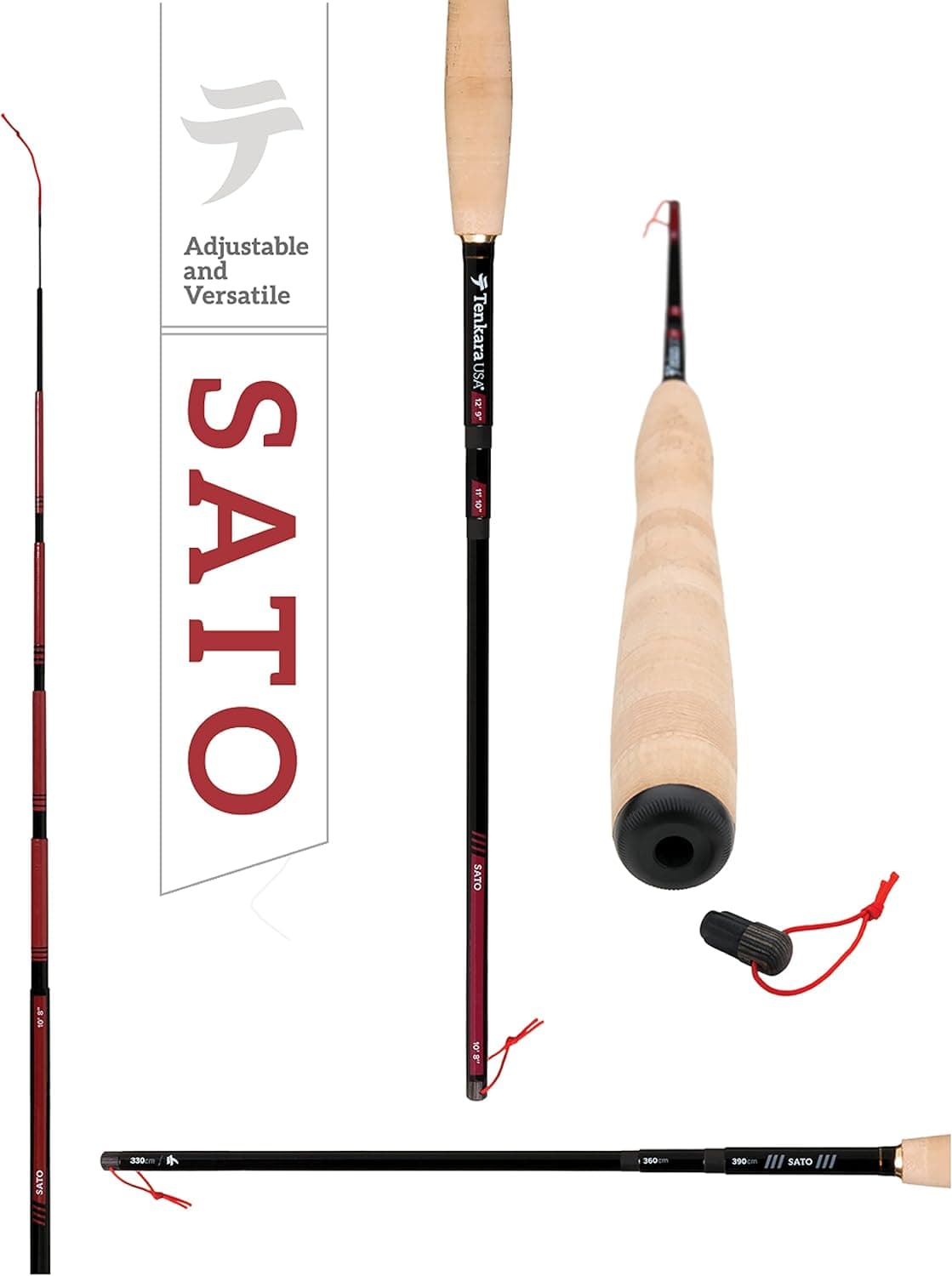
+ 3 adjustable lengths let you shorten under trees and extend on open water
From our guide: Best Tenkara Rods: Simple Fixed-Line Fishing Done Right
+ 20lb/30lb options cover trout reels through saltwater setups
From our guide: Best Fly Fishing Gear for Beginners
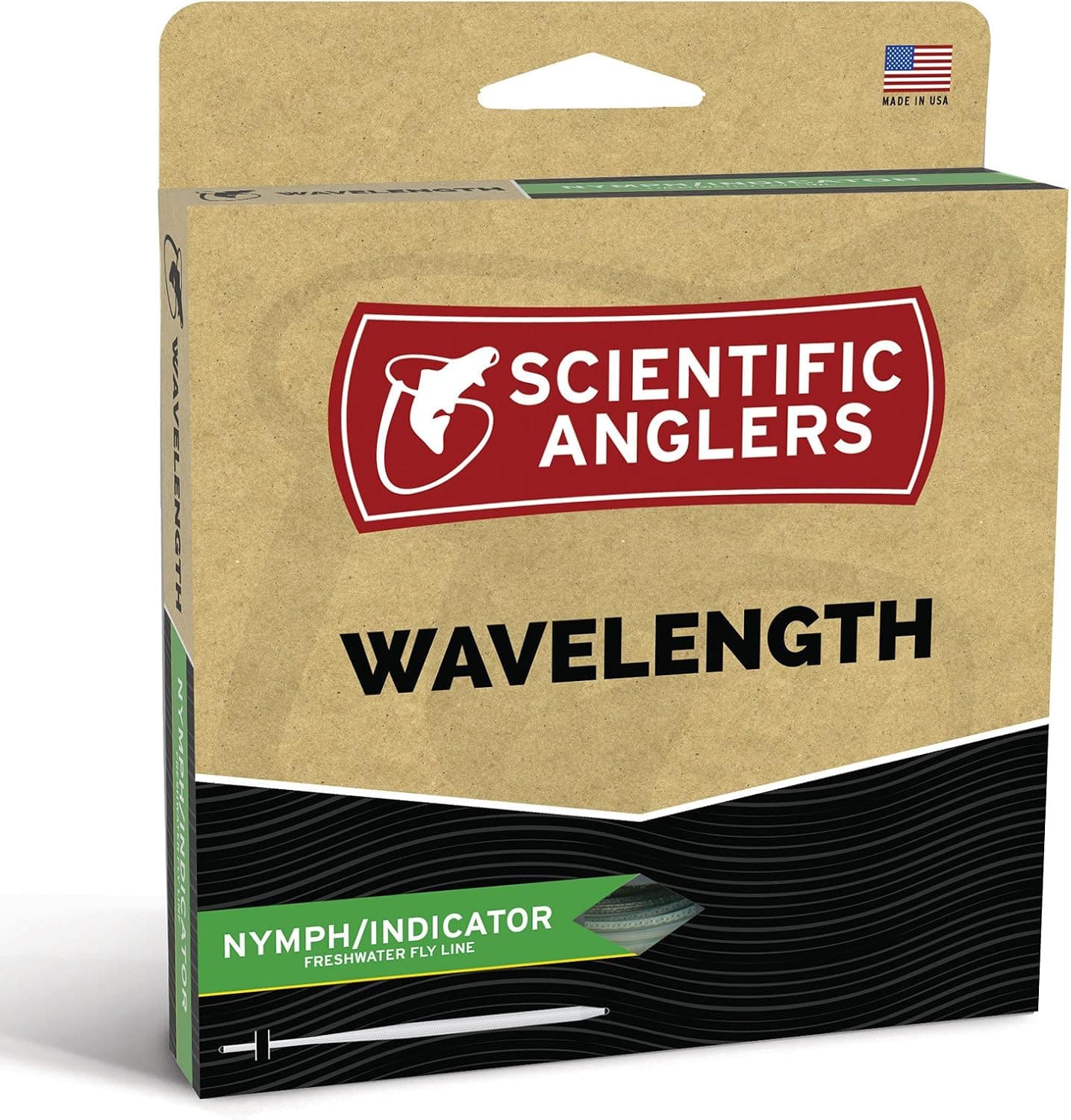
+ Nymph taper turns over heavy flies, split shot and indicators
From our guide: Best Floating Fly Lines: The Upgrade Most Rods Are Waiting For
+ 10.5 ft rod gives reach to hold flies in seams on mountain streams
From our guide: Best Tenkara Rods: Simple Fixed-Line Fishing Done Right
Popular right now
- Dry Fly vs Nymph vs StreamerArticle
- The Best Waterproof Fly BoxesBuying guide
- The Best Chest Packs for Fly FishingBuying guide
- Best Wader Repair KitsBuying guide
- Fly Fishing Etiquette on Crowded WaterArticle
- Best Fly Rod Combos: Ready-to-Fish Setups That Actually BalanceBuying guide
Based on the last 28 days of search and visitor data.