Spring Runoff Strategies
Published How we research
Every spring, snowmelt and rain swell rivers into brown, pushy versions of themselves, and most anglers simply quit until things clear. That surrender is premature. Trout do not leave the river during runoff, they relocate within it, and their options narrow in ways a thinking angler can exploit. High water fishing is not classic fishing, but it can be surprisingly productive, and it teaches river craft that pays off all season.
The key insight is that fish flee heavy current, not the river. When the main channel becomes a freight train, trout stack in the soft water: the inside of bends, the slack behind boulders and logjams, side channels and back eddies, and above all the narrow band of calm water within a rod length of the bank. That last one is the runoff rule worth tattooing somewhere visible: in high water, the fish are at your feet. Anglers who wade in to cast far are often standing where they should be fishing. Work the seams between fast and slow water, and treat every obstruction that breaks current as an address.
Visibility drives fly choice. In dirty water, trout find food by silhouette, contrast, and the vibrations picked up by their lateral line, so this is the season of big, dark, and loud. Black and dark olive streamers with bulky heads push water and show up against a bright surface; Woolly Buggers, sculpin patterns, and rubber-legged stoneflies all earn their keep. San Juan Worms and squirmy patterns are spring staples for an honest reason: high water erodes banks and genuinely does wash worms into the river. Eggs, large attractor nymphs, and anything with flash or a hot spot help fish locate flies in the murk. As a rough guide, if you have a foot or two of visibility, fishing is very much on; even less, and you fish tighter to the softest edges with the biggest, darkest flies in the box.
Rig for depth and proximity rather than distance. Short, stout leaders, heavier tippet than you would ever use in summer, and enough weight to get down quickly in pushy water. High-water fish will not move far, so the fly must arrive at their level, close to them. Fish slowly and repeatedly through small pieces of good water: a dozen drifts through one soft pocket beats one drift through a dozen pockets. Takes can be surprisingly gentle in fast dirty water, so stay tight to the flies.
Timing within the runoff period matters as much as tactics. Rivers on the drop and clearing fish far better than rivers on the rise, so watch the flow gauges online and learn your river's rhythm. Early in the melt cycle, cold nights slow the snowmelt, which means mornings often run clearer and lower than afternoons. A rain-freshet river might blow out for two days and fish beautifully on the third; a big snowpack river might be out for six weeks but offer a famous window right before the main surge, when fish feed hard, and another as the drop begins. The pre-runoff and post-peak windows are some of the best big-fish periods of the entire year.
When your home river is truly unfishable, runoff season is redirect season, not lost season. Tailwaters below dams run controlled and clear when freestones rage. Small tributaries clear days before main stems. Stillwaters are at their spring best just as rivers peak, with trout cruising warming shallows. And safety deserves the last word, because runoff water is cold, fast, and unforgiving: wade minimally or not at all, stay off slick high banks, wear your wader belt, and never cross water you would not swim. The fish are hugging the bank anyway, and so should you.
Products from this article
The highest-scoring picks from the buying guides mentioned above. Scores are our editorial assessment, not customer ratings.
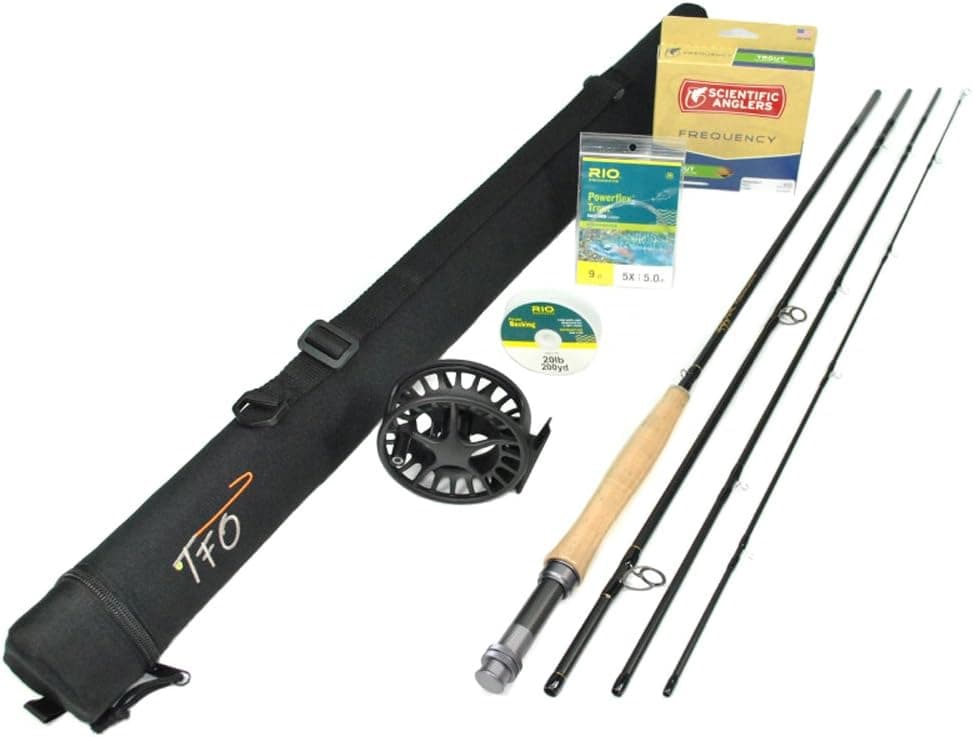
+ Outfit includes reel and line matched to the rod for a balanced setup
From our guide: Best 5-Weight Fly Rods: The One Trout Rod That Does It All
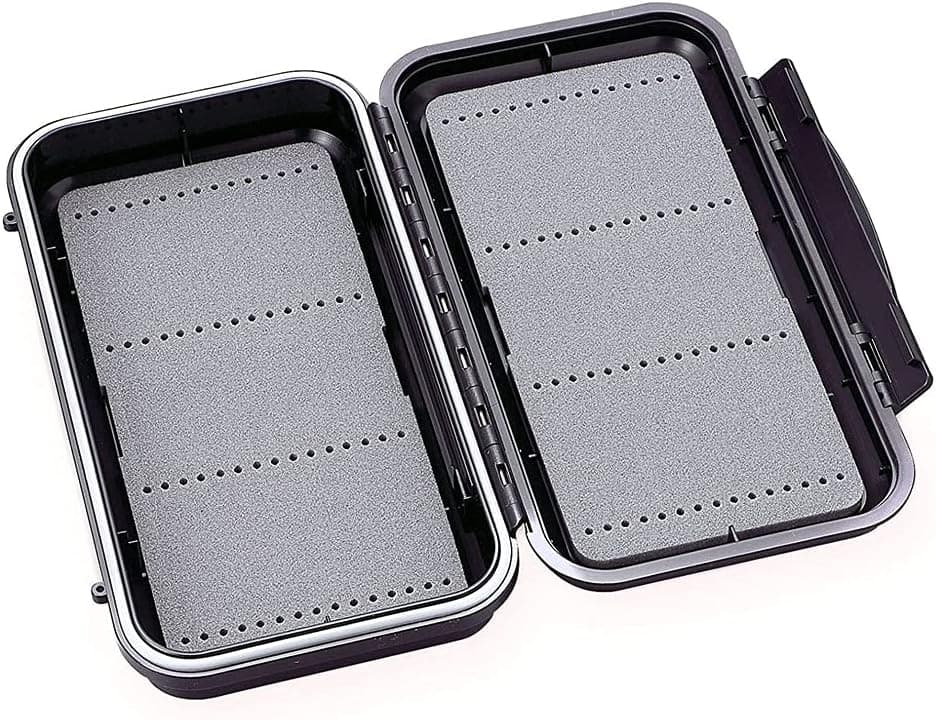
+ Micro slit foam holds flies firmly without damaging hackle
From our guide: The Best Waterproof Fly Boxes
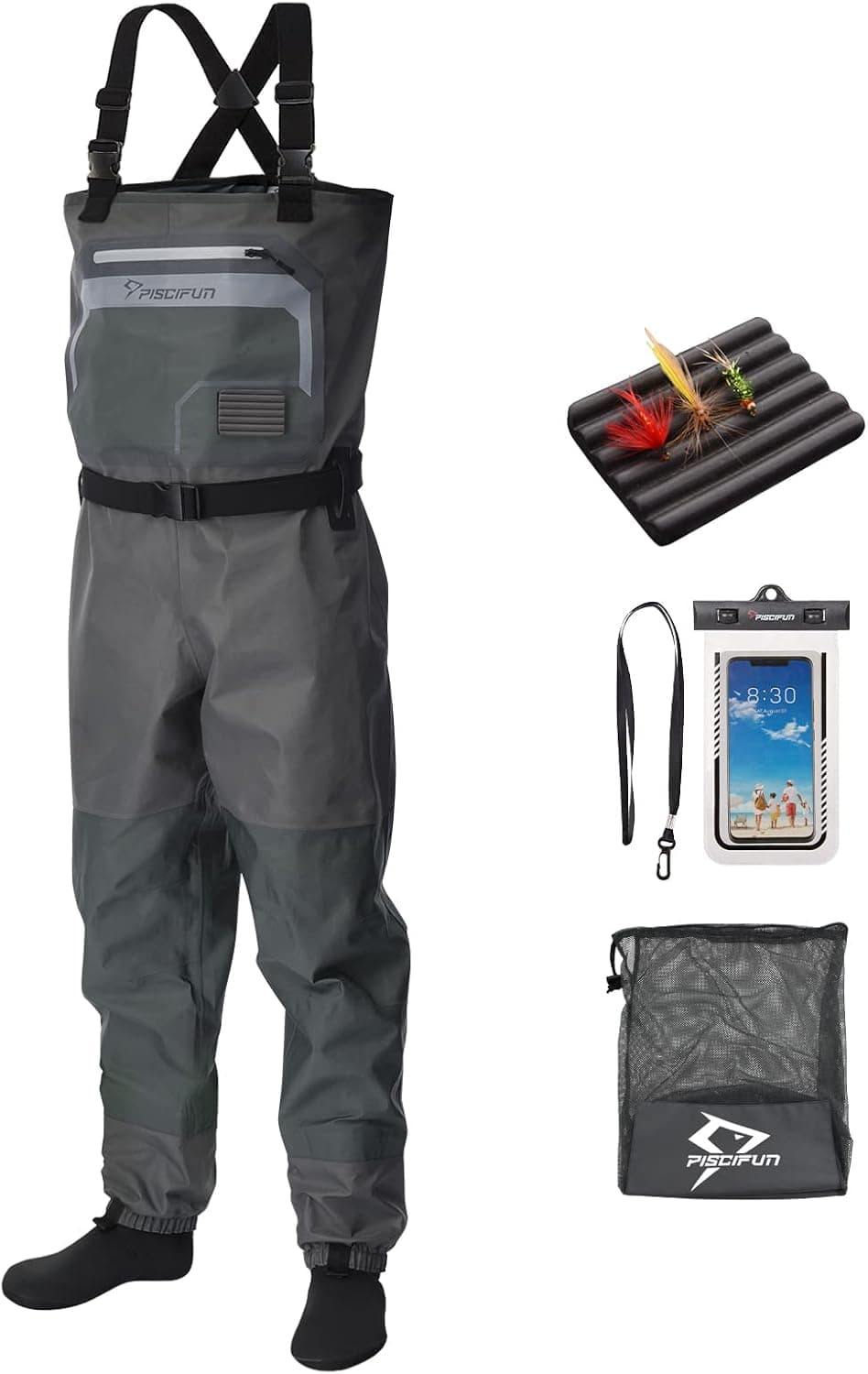
+ 3-Layer polyester fabric balances breathability and toughness
From our guide: Best Breathable Waders
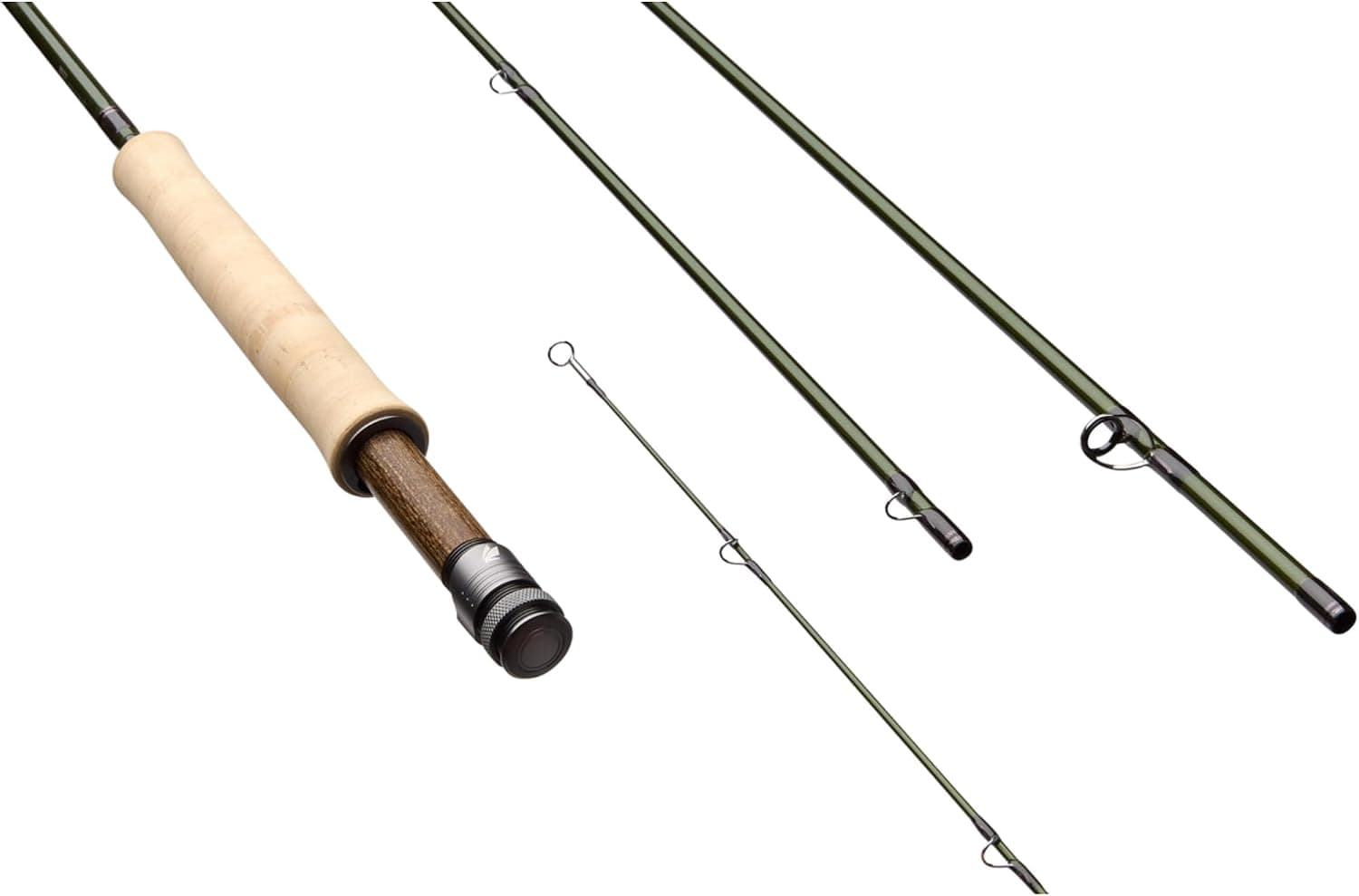
+ Sage blank design delivers accurate, responsive casting at practical ranges
From our guide: Best 5-Weight Fly Rods: The One Trout Rod That Does It All
Popular right now
- Dry Fly vs Nymph vs StreamerArticle
- The Best Waterproof Fly BoxesBuying guide
- The Best Chest Packs for Fly FishingBuying guide
- Best Wader Repair KitsBuying guide
- Fly Fishing Etiquette on Crowded WaterArticle
- Best Fly Rod Combos: Ready-to-Fish Setups That Actually BalanceBuying guide
Based on the last 28 days of search and visitor data.