Planning a Fly Fishing Road Trip
Published How we research
A fly fishing road trip fails or succeeds mostly in the planning, not on the water. The common failure mode is picking a famous river, booking a week around a schedule that suits work, and arriving to find the river blown out, the hatch three weeks past, or the access you counted on closed. A little research turns that same week into good fishing, and the research is not complicated. It comes down to timing, flows, regulations, and having more than one option.
Products from this article
The highest-scoring picks from the buying guides this article links to. Scores are our editorial assessment, not customer ratings.
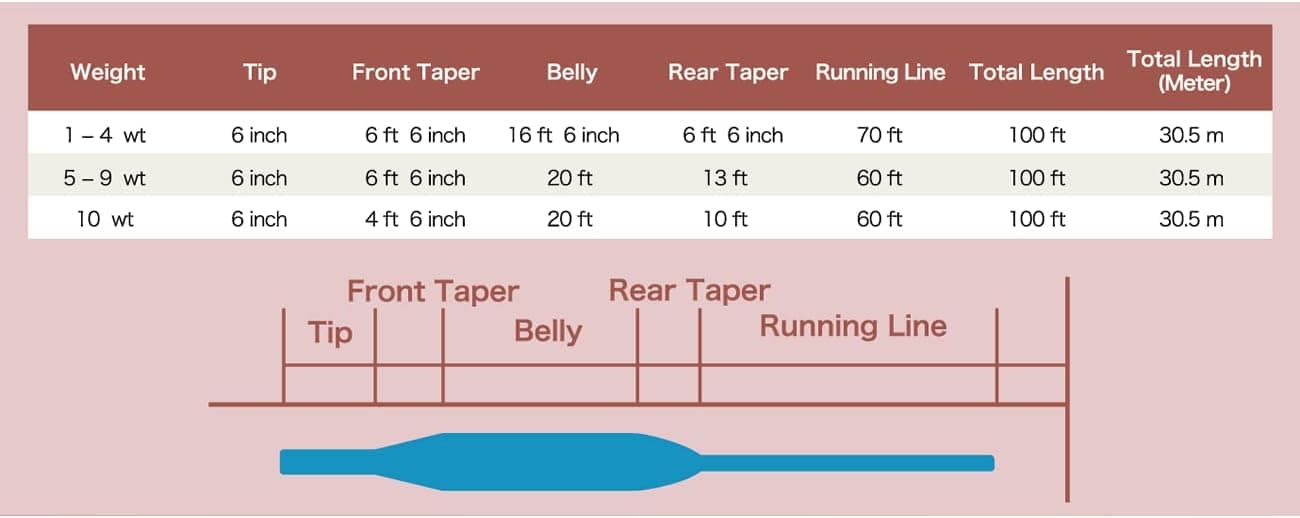
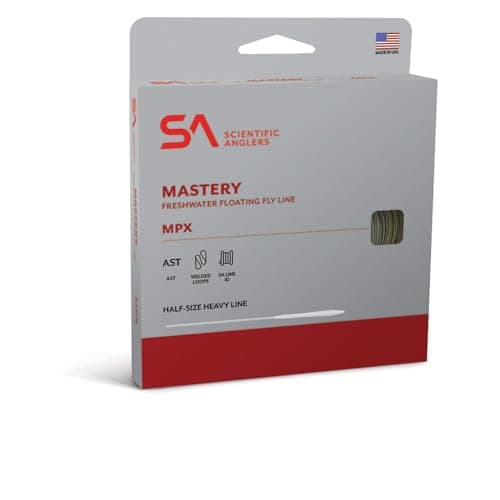
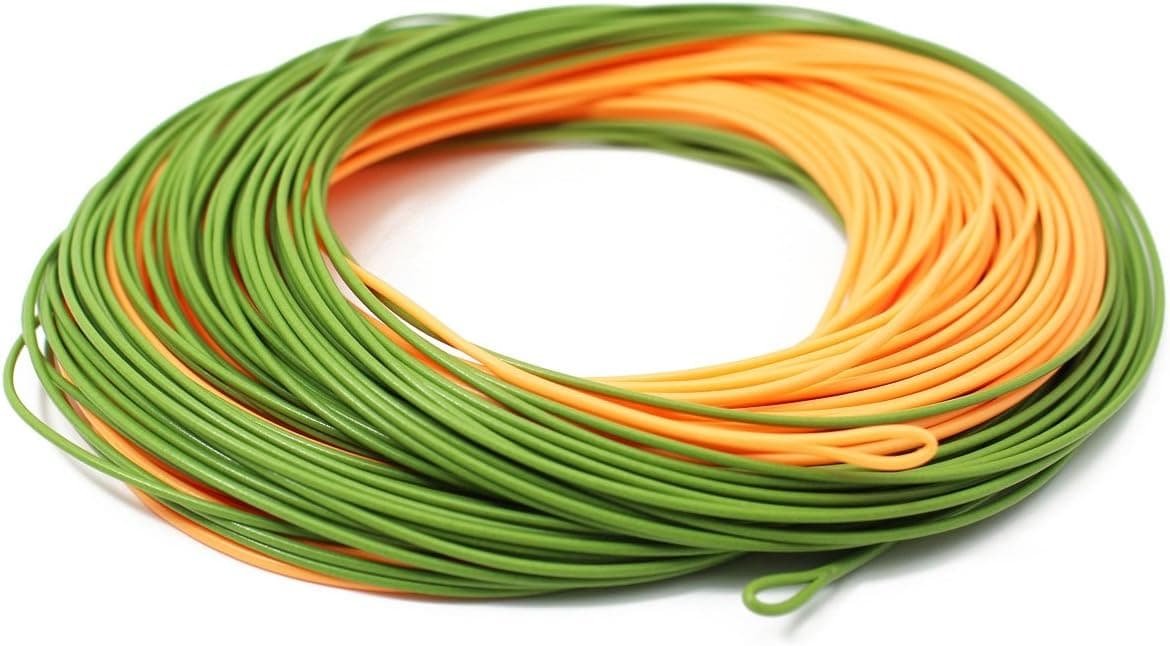
+ Front-weighted MPX taper loads rods quickly and turns over dries, nymphs and small streamers
From our guide: Best Floating Fly Lines: The Upgrade Most Rods Are Waiting For
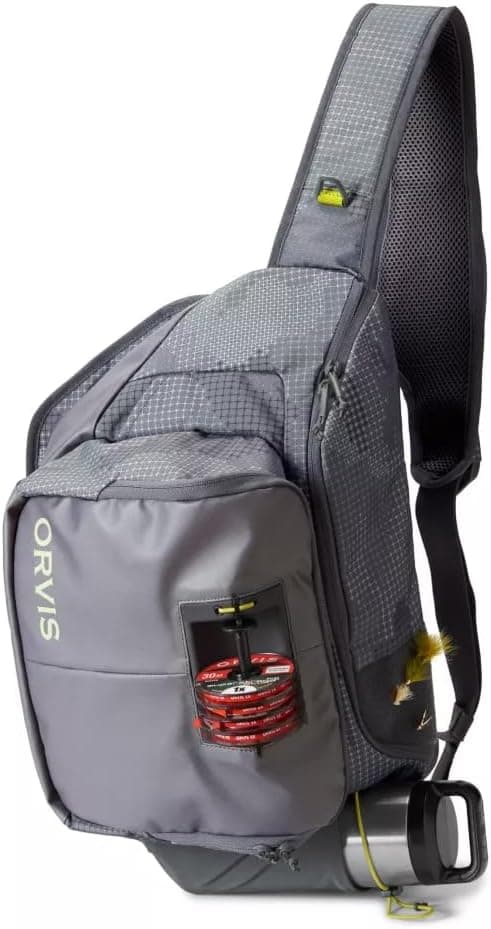
+ 18L capacity carries layers, lunch and several fly boxes
From our guide: The Best Sling Packs for Fly Fishing
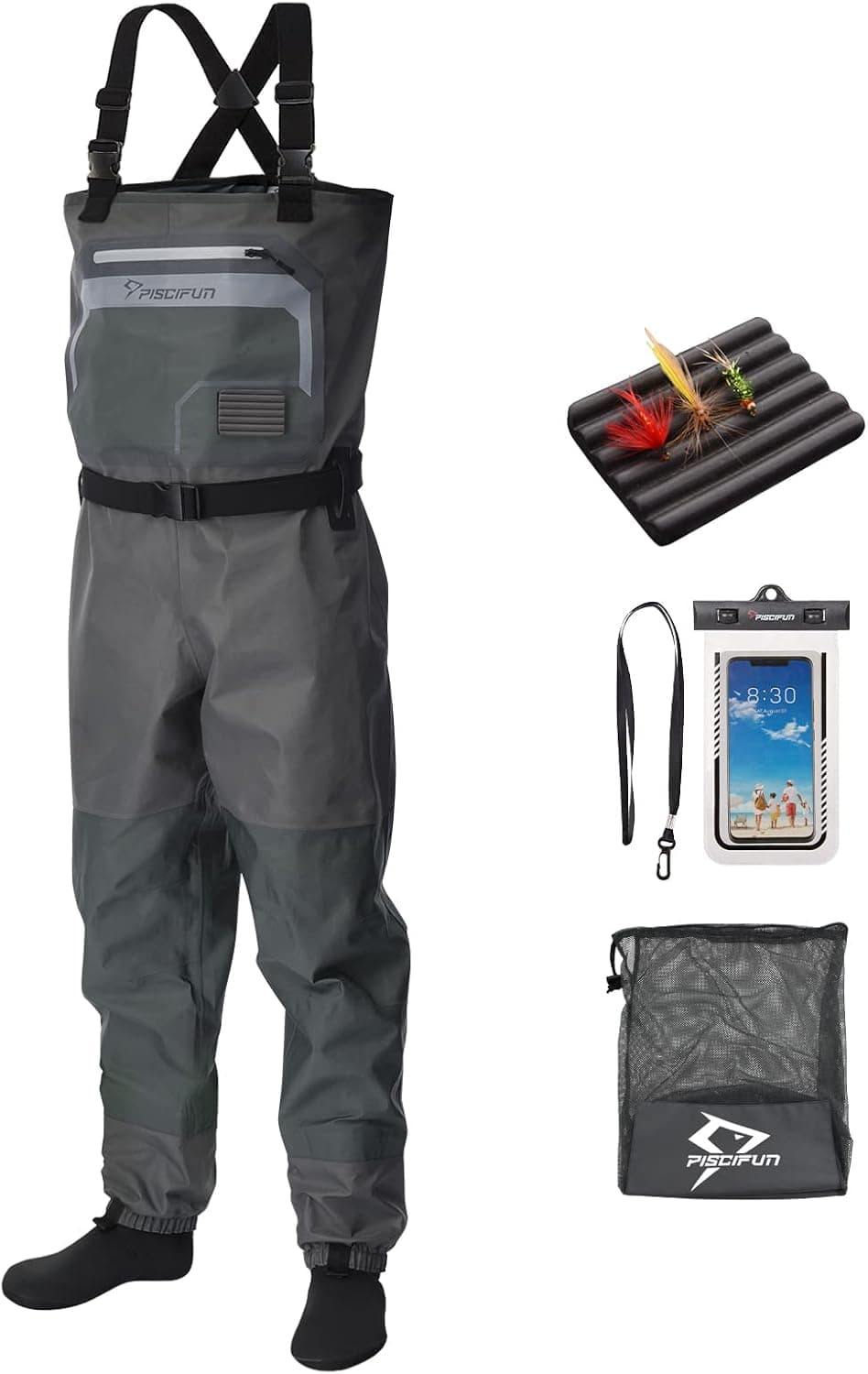
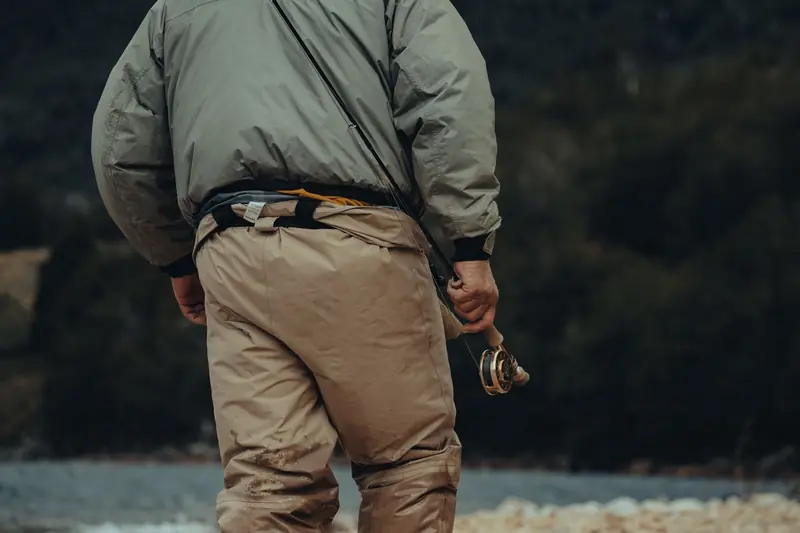
+ 3-Layer polyester fabric balances breathability and toughness
From our guide: Best Breathable Waders
+ 2 welded loops make loop-to-loop leader and backing connections simple
From our guide: Best Floating Fly Lines: The Upgrade Most Rods Are Waiting For
Start with timing rather than destination. Every river has a season when it fishes at its best, driven by runoff, water temperature, and hatch cycles. Ask a fly shop in the region what a given week usually looks like, and read a few years of reports from that same window rather than the most recent one. If your dates are fixed, pick the destination that fits them. If your destination is fixed, be flexible on dates and shift a week either way. A tailwater with controlled flows offers more predictability than a freestone river fed by snowmelt, which is worth knowing when the trip is booked months ahead.
Check flows before you commit and again before you leave. Public stream gauges show current discharge and often years of history, so you can compare this year against the typical level for the same date. A river running well above its usual flow will be difficult and often dangerous to wade, while unusually low, warm water can bring fishing restrictions or voluntary closures to protect trout. Water temperature matters as much as level. Many regions now ask anglers to stop fishing in the afternoon when water warms past a certain point, and some enforce hoot owl restrictions that limit fishing to mornings.
Get the regulations right well before you arrive. Licenses can usually be bought online, and some states or provinces require additional stamps or permits for specific waters. Regulations vary by river section and sometimes by month: barbless hooks, artificial flies only, catch and release stretches, seasonal closures over spawning gravel, and daily limits all differ. Felt-soled boots are restricted in some places. Access rules differ too, since in some regions you may wade a river through private land while in others the streambed itself is private. Reading the regulation booklet for the specific water is a twenty minute job that prevents an expensive mistake.
Build the itinerary with redundancy. Pick a primary river and at least two alternatives within a reasonable drive, ideally with different characteristics. A tailwater near a freestone river near a lake gives you something to fish whether it rains hard, runs low, or blows a gale. Plan fewer waters than you think you can cover, since driving between rivers eats fishing time and you learn a piece of water only by spending real hours on it. Book lodging that lets you change plans, and if you hire a guide, do it for the first day rather than the last so the local knowledge shapes the rest of the week.
Pack for self-sufficiency and organize the vehicle. Bring a spare rod, or at least know that a broken tip does not end the trip, plus extra leader material, an extra fly line if you are going far, and duplicates of the small items that vanish. Keep a car kit with dry clothes, water, food, and a towel, and a separate tote for gear so you are not digging through luggage at a pullout. Download offline maps and note where cell coverage disappears. Tell someone your route.
Finally, set expectations that match reality. Conditions will differ from the forecast at least once. Some days the fishing will be slow no matter how well you planned, and that is part of it. Trips built around a single perfect day tend to disappoint, while trips built around exploring a region with a few backup options almost always turn up something worth the drive.
Popular right now
- Dry Fly vs Nymph vs StreamerArticle
- Best Kids Fly Rods: Short, Tough Setups That Keep It FunBuying guide
- The Best Waterproof Fly BoxesBuying guide
- Best Beginner Fly Rods: Forgiving Rods That Teach a Clean CastBuying guide
- Best Euro Nymph Lines: Thin Lines for Tight-Line ControlBuying guide
- Best Wader Repair KitsBuying guide
Based on the last 28 days of search and visitor data.