How to Organize Your Fly Boxes
Published How we research
Most fly boxes get organized exactly once, in the shop, and then slowly turn into a random assortment held together by good intentions. That matters more than it sounds. When you cannot find the fly you want, you fish the fly you can see, and over a season that quietly narrows your fishing to a handful of patterns. A sensible system costs nothing, takes an evening, and pays off every time you stand in a run trying to decide what to tie on.
Start by sorting your whole collection on a table by category rather than by box. Dries, emergers, nymphs, streamers, and terrestrials make natural piles, and within each pile sort by size. Almost immediately you will notice the shape of your fishing. Most anglers find they own thirty variations on one nymph, nothing in the smallest sizes they actually needed last summer, and a pile of streamers they never fish. That inventory is the real value of the exercise, before you place a single fly in a slot.
Match the box to the fly. Dry flies belong in foam or slotted boxes with enough depth that hackle and wings are not crushed, since a flattened dry sits wrong on the water and never recovers. Nymphs and beadheads do well in slit foam or magnetic compartments that hold them upright and keep beads from chipping. Streamers need deep compartment boxes or a large slotted box so the materials stay straight. Waterproof boxes are worth it for the box you carry daily; the rest of your collection can live in cheaper storage at home.
Organize each box in a way you can read at a glance. Left to right by size is the most common approach, since size is the variable you change most often when fish refuse a fly. Some anglers instead group by color, and others by the insect stage the pattern imitates. Any of these works as long as it is consistent across every box you own, so muscle memory transfers. Leave a row or two empty on purpose. That gap is where flies go when you clip them off wet, and without it wet flies end up loose in a pocket to rust.
Build boxes around fishing situations rather than around your entire collection. A working setup for trout is often two boxes: a surface box holding dries, emergers, and terrestrials, and a subsurface box holding nymphs and a few streamers. Seasonal boxes are the next step for anglers who fish the same water repeatedly. A spring box heavy on blue-winged olives and larger nymphs looks very different from a midsummer box built around terrestrials and small mayflies. Swapping a box in the car takes five seconds and beats carrying everything all year.
Maintain the system or it decays. Dry every fly fully before it goes back into a box, because a single wet beadhead will rust its neighbors and stain the foam. At the end of a trip, spend two minutes putting strays back where they belong. A few times a season, pull each box apart, discard the bent hooks and chewed-up patterns, and note the gaps. That list becomes your tying or shopping list, and it will be based on what you actually used rather than on what looked interesting at the counter. Organized boxes are not about neatness for its own sake. They are about making the right fly easy to reach when the fish are up and the light is going.
Products from this article
The highest-scoring picks from the buying guides mentioned above. Scores are our editorial assessment, not customer ratings.
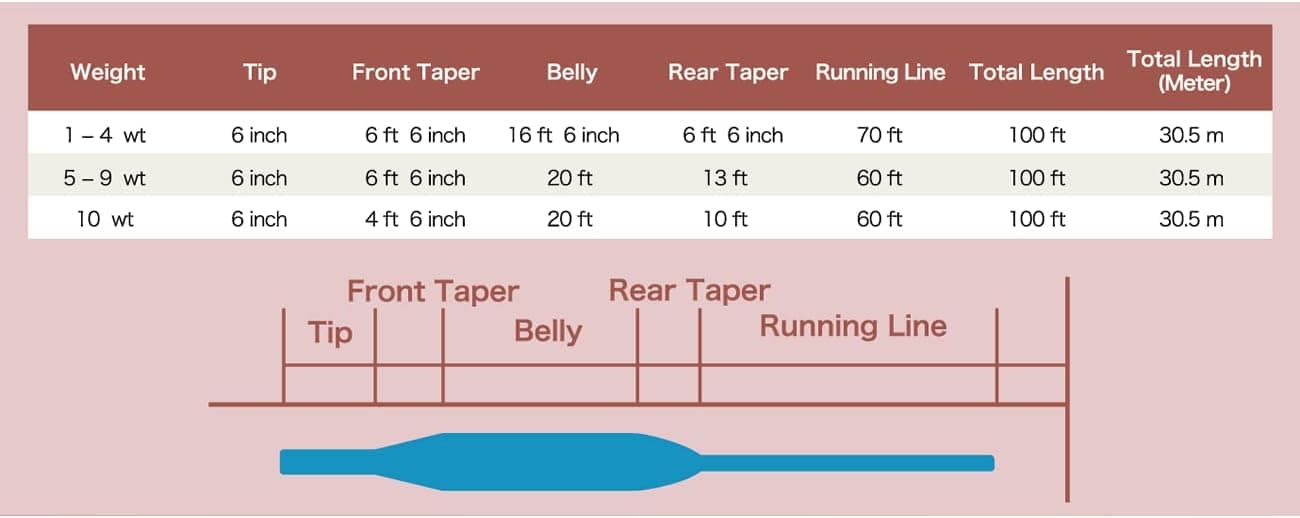
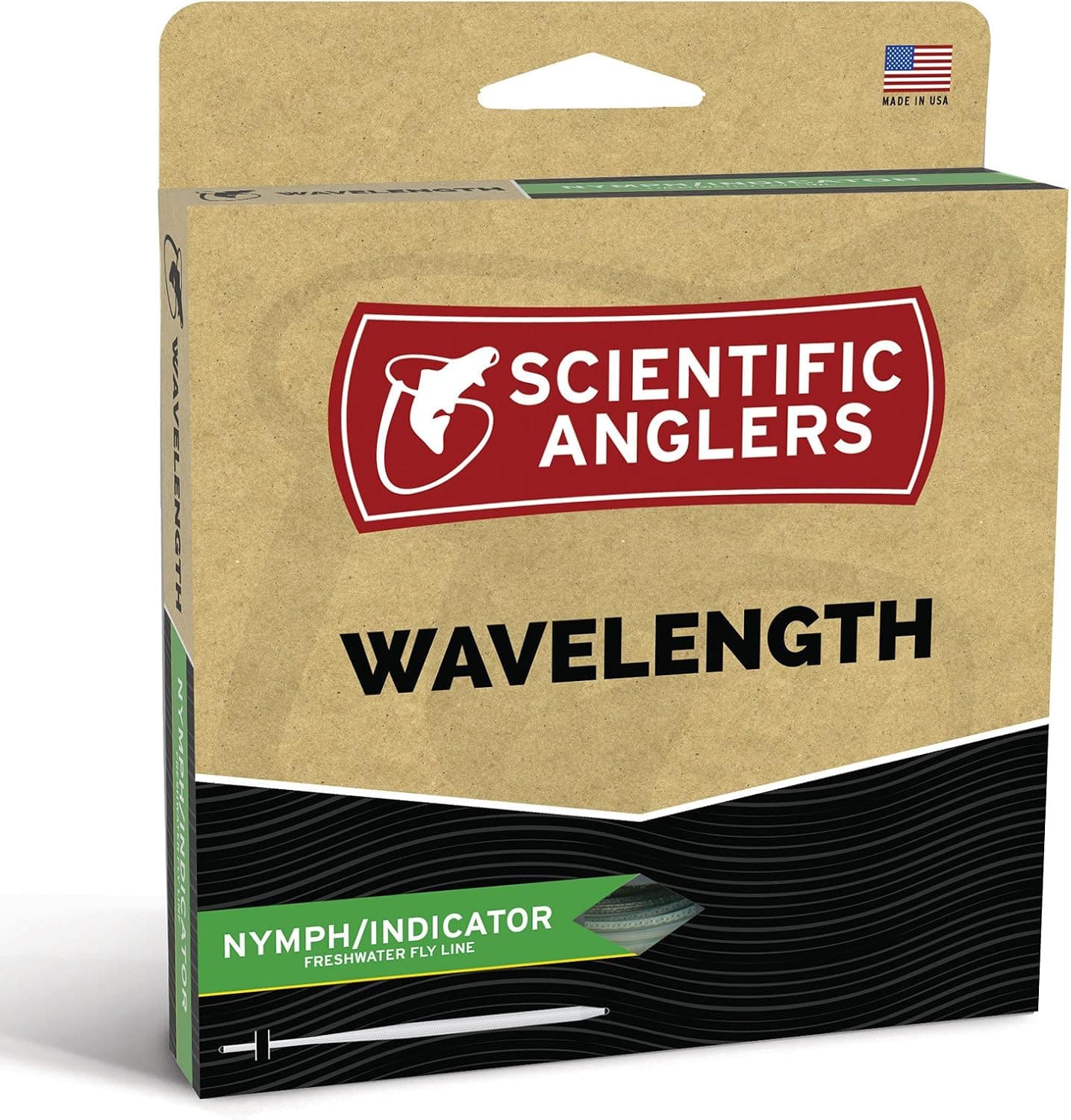
+ Nymph taper turns over heavy flies, split shot and indicators
From our guide: Best Floating Fly Lines: The Upgrade Most Rods Are Waiting For
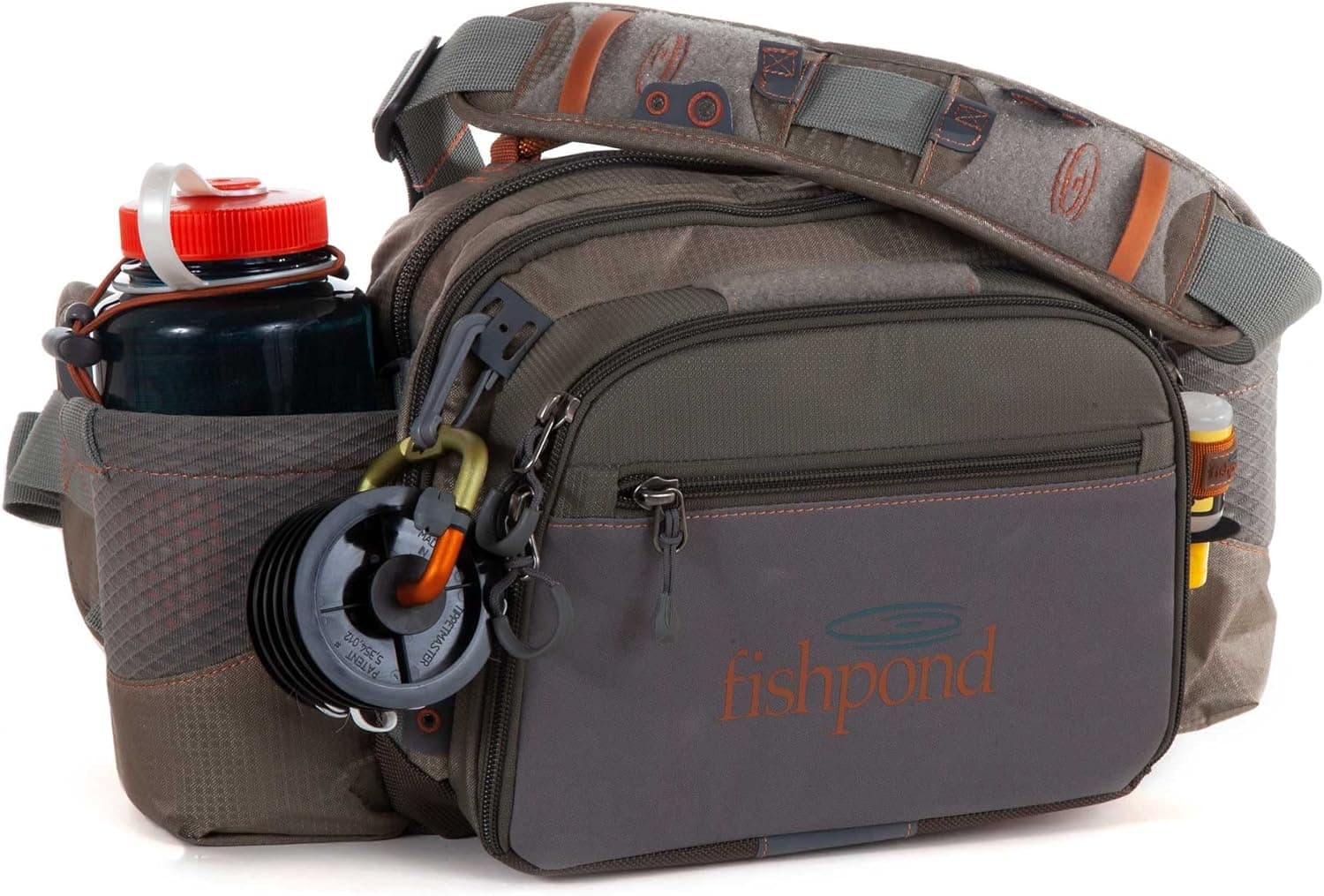
+ Pro Guide size holds multiple fly boxes, tippet and a jacket
From our guide: The Best Hip Packs for Fly Fishing
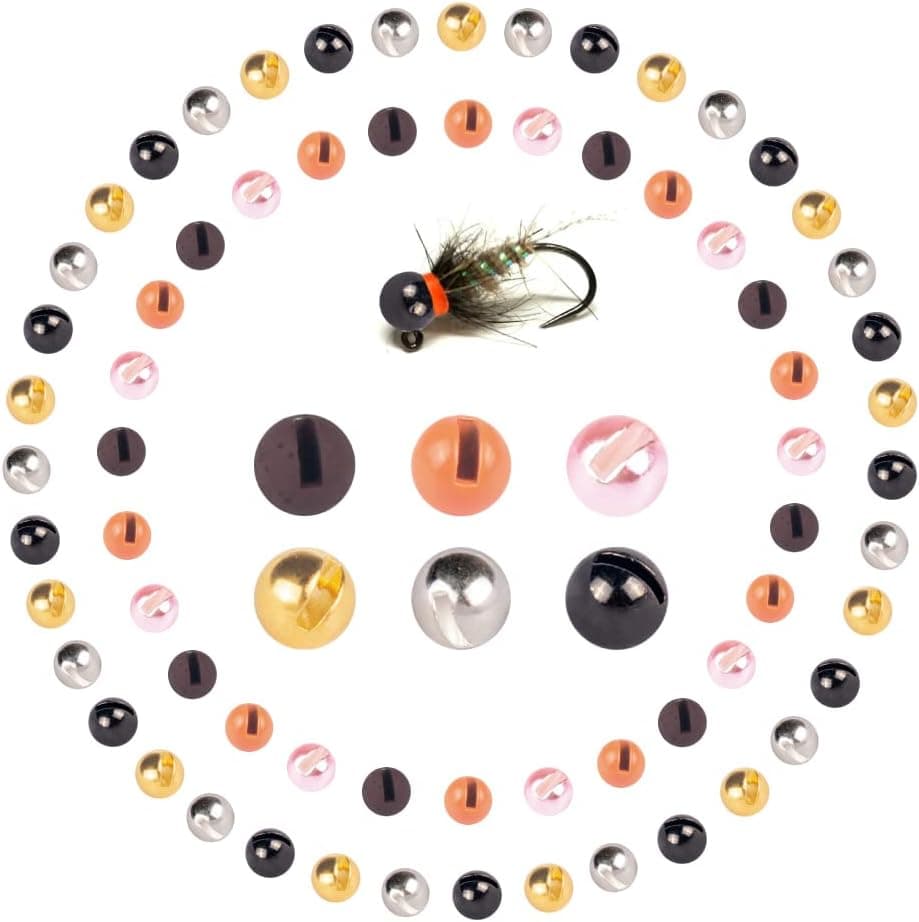
+ 300Pcs bulk pack keeps you stocked for many tying sessions
From our guide: Best Fly Tying Materials
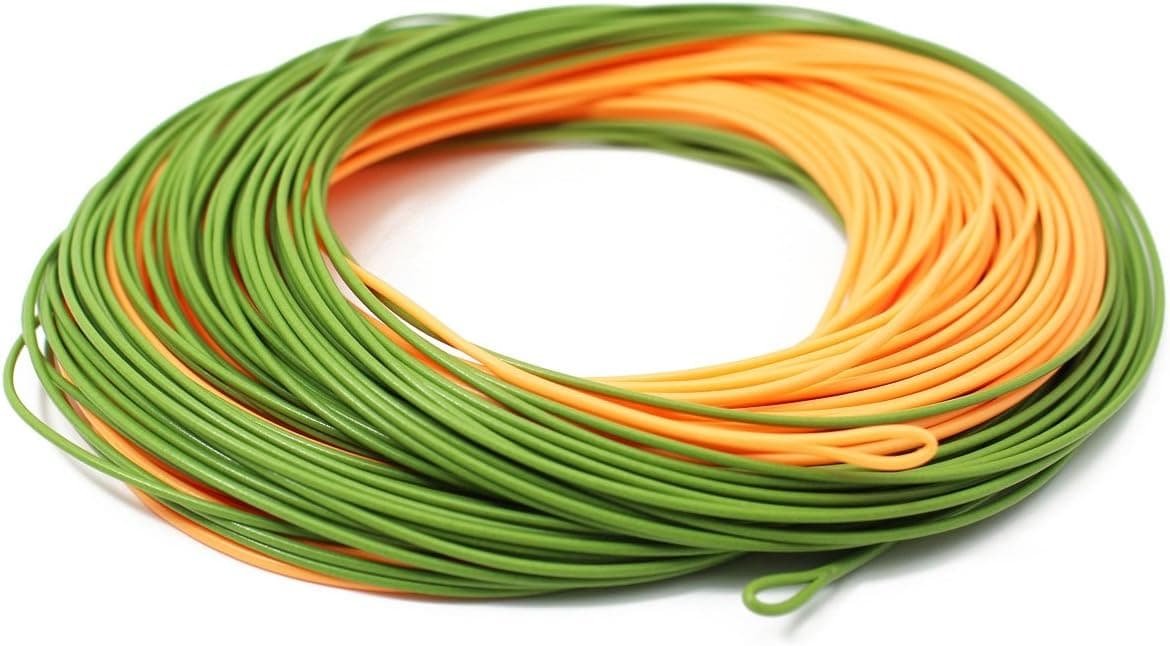
+ 2 welded loops make loop-to-loop leader and backing connections simple
From our guide: Best Floating Fly Lines: The Upgrade Most Rods Are Waiting For
Popular right now
- Dry Fly vs Nymph vs StreamerArticle
- The Best Waterproof Fly BoxesBuying guide
- The Best Chest Packs for Fly FishingBuying guide
- Best Wader Repair KitsBuying guide
- Fly Fishing Etiquette on Crowded WaterArticle
- Best Fly Rod Combos: Ready-to-Fish Setups That Actually BalanceBuying guide
Based on the last 28 days of search and visitor data.