Leader and Tippet Explained
Published How we research
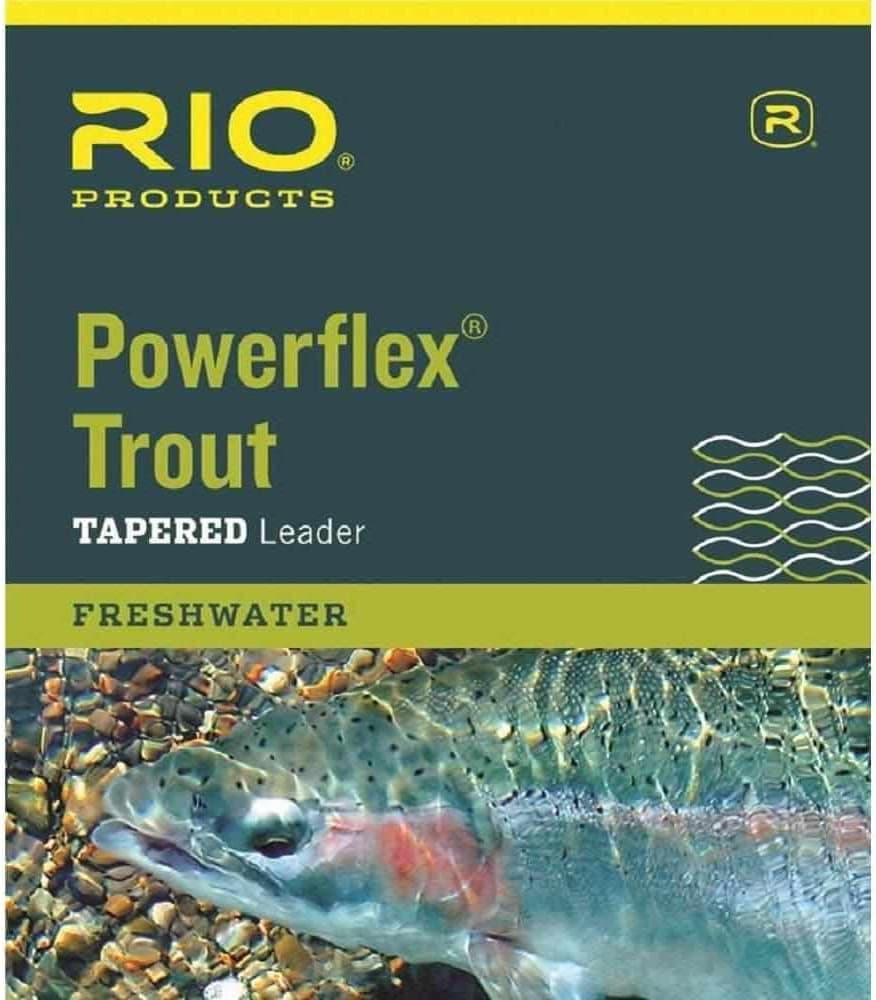
A tapered leader steps down from a thick butt section through a midsection to a fine level tippet, letting it unroll smoothly instead of collapsing; a 9-foot knotless leader is the all-around trout choice. The X sizing system is just diameter in disguise, subtract X from 11 for thousandths of an inch, with the rule of three (fly size divided by three) suggesting a starting tippet X. Nylon floats and suits dry flies, while fluorocarbon sinks and resists abrasion for nymphing. Replace shortened tippet with a surgeon's or blood knot, connecting sections no more than one or two X sizes apart, and drop a tippet size before changing flies when fish refuse a good drift. The leader is the clear, tapered connection between your thick fly line and your fly, and it has two jobs: transfer the energy of the cast so the fly turns over and lands properly, and keep the highly visible fly line far enough from the fly that fish are not spooked. Tippet is simply the final, thinnest section of that system, the part you tie flies to and the part you replace as you change flies. Misunderstand this system and no rod or fly choice will save your drifts; understand it and a lot of mysterious refusals disappear.
A tapered leader steps down to a fine tippet
A tapered leader starts with a thick butt section, roughly two thirds the diameter of your fly line tip, steps down through a midsection, and ends in a fine level tippet. The taper is what makes the leader unroll smoothly at the end of the cast instead of collapsing in a pile. Knotless extruded leaders are the standard choice: cheap enough, smooth through guides, and available in every size. A 9 foot leader is the all-around answer for trout. Go shorter, 7.5 feet, for small brushy streams and streamer work; go longer, 12 feet or more, for spooky fish on flat, clear water.
The X system is just diameter in disguise
The X system confuses everyone at first, but it is just diameter in disguise: subtract the X number from 11 to get the diameter in thousandths of an inch. A 4X tippet is 0.007 inches, 5X is 0.006, 6X is 0.005. Bigger X number means thinner and weaker. For trout, 4X pairs with nymph rigs and streamers on the smaller side, 5X is the everyday dry fly and nymph size, and 6X comes out for small flies and clear, slow water. A useful matching trick is the rule of three: divide the fly size by three to get a starting tippet X. A size 12 fly suggests 4X, a size 18 suggests 6X. It is a guideline, not a law, but it keeps fly and tippet balanced so the cast turns over and the fly drifts naturally.
Nylon or fluorocarbon is a practical choice, not a religious one
Nylon or fluorocarbon is a practical choice, not a religious one. Nylon monofilament is cheaper, stretches a little, knots easily, and floats, which makes it right for dry flies. Fluorocarbon is denser, sinks, resists abrasion, and is less visible in water, which makes it the pick for nymphing and streamers. Many anglers carry nylon leaders and both types of tippet, using fluoro below the surface and nylon on top. Whatever you buy, replace old spools every couple of seasons; tippet degrades with UV exposure and age, and old tippet is how big fish become sad stories.
Every fly change shortens your tippet
As you fish, every fly change shortens your tippet until the leader casts badly and lands the fly too close to the thick midsection. Do not keep fishing a stub. Tie on fresh tippet with a surgeon's knot or a blood knot, connecting sections no more than one X size apart, two at most. A tippet ring, a tiny metal ring tied to the end of the leader body, makes this even easier: your tapered leader stops shrinking, and you replace only the level tippet beyond the ring.
A few habits keep the whole system honest
A few habits keep the whole system honest. Straighten a coiled leader by pulling it through your hand in a few firm strokes. Check for wind knots regularly, because a single overhand knot can cut breaking strength dramatically. Test every knot with a steady pull before the first cast. And when fish refuse a well-matched fly on a clean drift, drop one tippet size before you change patterns. More often than anglers like to admit, the problem was never the fly; it was the thick, dragging connection in front of it.
Frequently asked questions
What does the X number mean in fly fishing tippet sizing? Subtract the X number from 11 to get the diameter in thousandths of an inch; a 4X tippet is 0.007 inches while 6X is 0.005, so a bigger X number means thinner and weaker tippet.
How do you choose the right tippet size for a fly? Use the rule of three: divide the fly size by three to get a starting tippet X, so a size 12 fly suggests 4X and a size 18 fly suggests 6X, keeping fly and tippet balanced.
Should I use nylon or fluorocarbon tippet? Nylon is cheaper, stretches, knots easily, and floats, making it right for dry flies, while fluorocarbon is denser, sinks, resists abrasion, and is less visible underwater, making it the pick for nymphing and streamers.
When should you replace fly fishing tippet? When repeated fly changes have shortened it enough that the leader casts badly and lands the fly too close to the thick midsection, tying on fresh tippet with a surgeon's or blood knot rather than fishing a stub.
Products from this article
The highest-scoring picks from the buying guides mentioned above. Scores are our editorial assessment, not customer ratings.
+ 9ft 5X spec is the go-to size for most trout situations
From our guide: Best Tapered Leaders: Smooth Turnover from Line to Fly
+ 20lb/30lb options cover trout reels through saltwater setups
From our guide: Best Fly Fishing Gear for Beginners
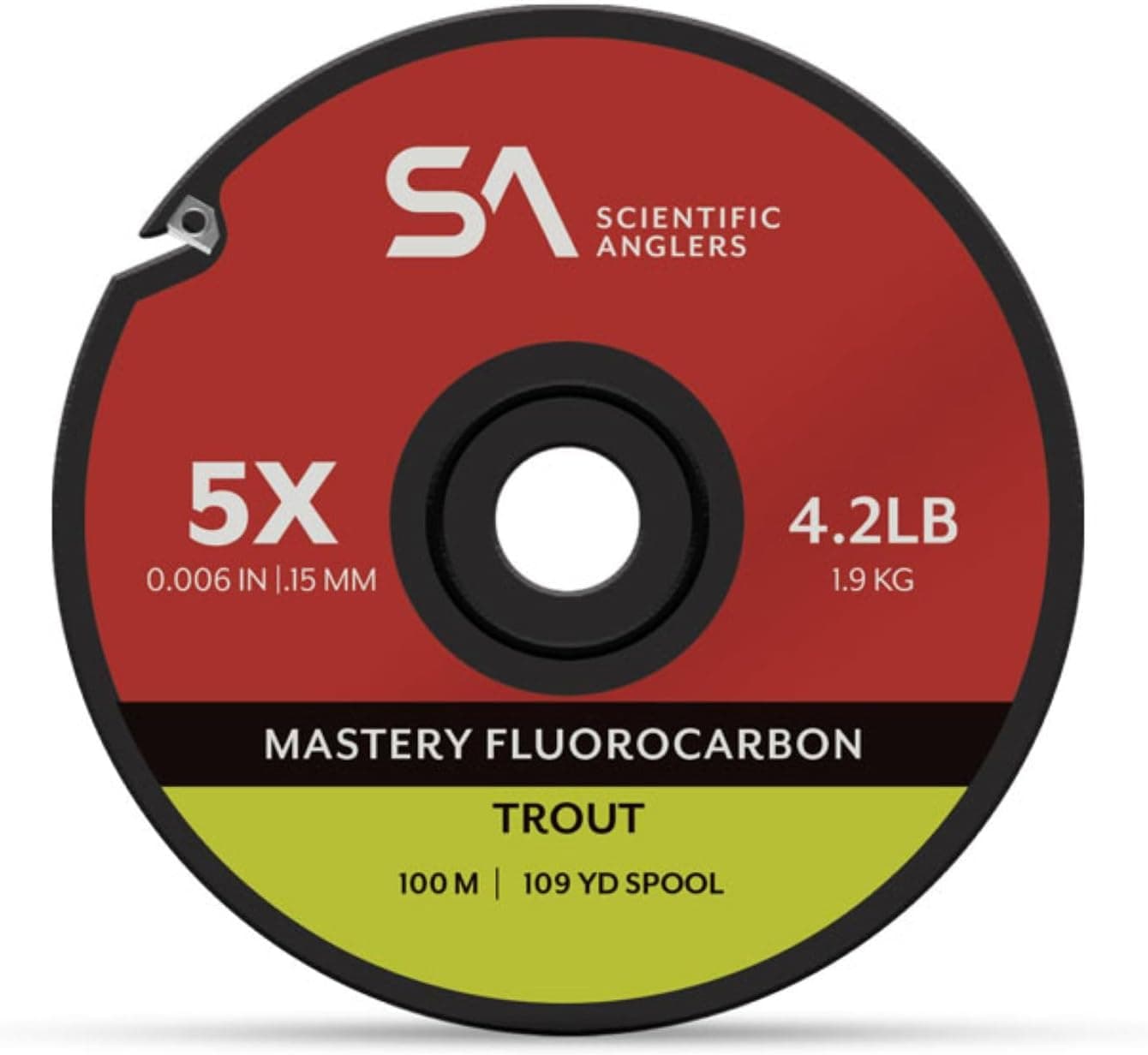
+ 100M guide spool lasts far longer than standard small tippet spools
From our guide: Best Tippet: Spools Worth Trusting Your Fish To
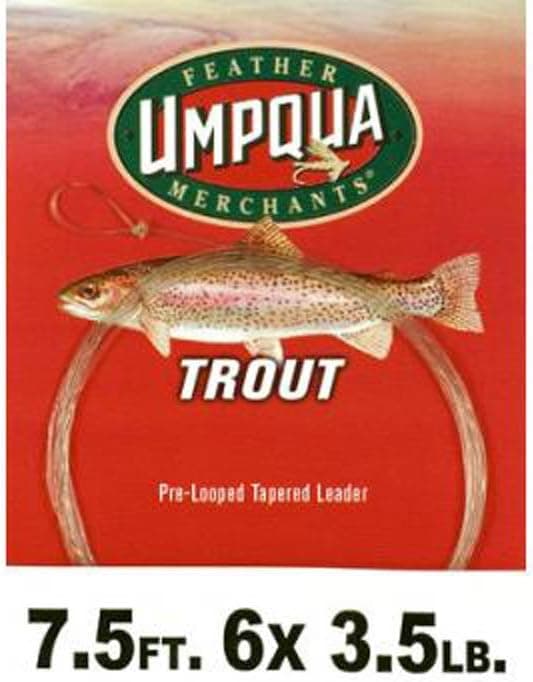
+ Pre-looped butt allows fast loop-to-loop connection to fly line
From our guide: Best Tapered Leaders: Smooth Turnover from Line to Fly
Popular right now
- Dry Fly vs Nymph vs StreamerArticle
- The Best Waterproof Fly BoxesBuying guide
- The Best Chest Packs for Fly FishingBuying guide
- Best Wader Repair KitsBuying guide
- Fly Fishing Etiquette on Crowded WaterArticle
- Best Fly Rod Combos: Ready-to-Fish Setups That Actually BalanceBuying guide
Based on the last 28 days of search and visitor data.