How Much Backing Do You Need on a Fly Reel? A Chart by Line Weight
Published How we research
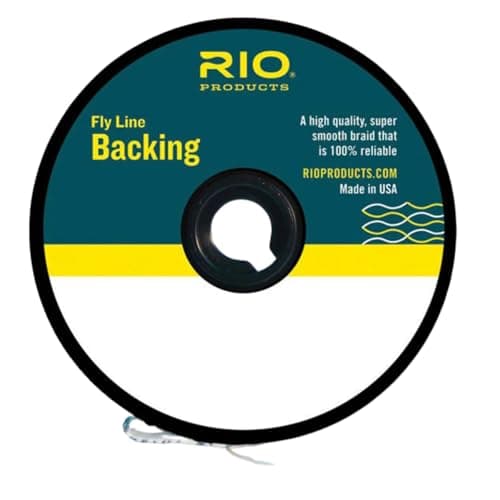
Most trout reels need 75 to 100 yards of 20 lb Dacron backing, and most 8-weight and saltwater reels need 150 to 250 yards of 30 lb. The exact amount is whatever fills your spool to about an eighth to a quarter of an inch below the rim once the fly line is on, and the capacity spec printed by the reel maker gives you that number. The chart below lists the usual ranges by line weight. After it come the choices that go with the number: 20 lb or 30 lb, Dacron or gel-spun, which knots to use at each end, and a simple way to hit the right fill level without guessing.
What backing does on a fly reel
Backing is thin braided line wound onto the spool before the fly line. It has two jobs, and only one of them involves a big fish. A fly line is only about 90 to 100 feet long, so backing is the reserve that keeps you connected when a fish runs farther than that. On a 3-weight creek rod that almost never happens. On a bonefish flat or a steelhead river it can happen on every hookup.
The second job matters on every reel, including small trout reels. Backing builds up the diameter of the arbor, so the fly line sits in larger coils. Larger coils mean less line memory, faster line pickup per turn of the handle, and a more consistent drag as line leaves the spool. A trout reel with no backing at all works, but it retrieves slowly and the line comes off in tight curls.
Backing chart by line weight
2 to 4 weight: 50 to 100 yards of 20 lb Dacron. Small-stream reels have small spools, and the backing is there mostly to fill the arbor. Many 2 and 3 weight reels are full at 50 to 75 yards.
5 to 6 weight: about 100 yards of 20 lb Dacron, with 75 to 150 yards as the normal range depending on the reel. This is the standard trout setup, and a 100 yard spool is the size most backing is sold in for that reason.
7 to 8 weight: 150 to 200 yards. Use 20 lb for bass, big trout and most steelhead fishing where you want maximum capacity, and 30 lb for saltwater, salmon and anything that runs hard against a tight drag.
9 to 10 weight: 200 to 250 yards of 30 lb. These reels are built for striped bass, permit, pike, and large salmon, and their spools are sized around 30 lb backing.
11 to 12 weight and up: 250 to 300 yards or more of 30 lb Dacron, or gel-spun backing when you need more yards than Dacron allows. Tarpon and offshore reels are the place where capacity is a real limit.
Treat these as ranges, not targets. The number that counts is the capacity spec for your reel, usually written like "WF5F + 100 yd 20 lb". It means a weight-forward 5 weight floating line plus 100 yards of 20 lb Dacron fills that spool correctly. A large-arbor reel holds less backing than an older standard-arbor reel of the same diameter, and that is by design, not a flaw.
20 lb or 30 lb, Dacron or gel-spun
Backing strength only needs to exceed your tippet strength, because the tippet is always the weakest link in the system. A 5X trout tippet breaks at roughly 4 to 5 pounds, so 20 lb backing is never what fails on a trout rod. The reason to step up to 30 lb is not raw strength. Thicker backing is less likely to dig into the layers underneath it when a strong fish pulls against a heavy drag, and it is kinder to your fingers if you have to touch it during a run. That is why 30 lb is the default from 8 weight upward.
Dacron is a braided polyester. It is cheap, soft, easy to knot, and resistant to rot, and it is the right choice for nearly all freshwater fishing. Gel-spun polyethylene is much thinner at the same breaking strength, so the same spool holds noticeably more of it. The trade-offs are real: it costs more, it is slick enough that knots need extra turns, it has to be wound on tight so it does not bury into itself, and under tension it is thin enough to cut skin. Choose gel-spun when a reel cannot hold enough Dacron for the fish you are after, not as an upgrade for a trout reel.
How to fill the spool to the right level
If you know the capacity spec and your line matches it, wind on the listed amount and you are done. If you do not, use the reverse method. Wind the fly line onto the empty spool first, front end first. Attach the backing to the rear of the fly line and wind backing on top until the spool is full to about an eighth to a quarter of an inch below the rim. Cut the backing there. Now strip everything off in wide loose coils on a clean floor or lawn, or onto a spare spool, and wind it back on in the correct order: backing first, then fly line.
Set the retrieve direction before you start. Switching a reel from left-hand to right-hand wind later means stripping all of it off and starting again. Wind the backing on under firm tension, pinching it through a cloth, and guide it from side to side so it builds in even, level layers. Loose or lumpy backing is what lets line dig in and jam during a fast run.
Leave that small gap below the rim. A spool filled to the edge looks efficient at the bench, but line never goes back on perfectly level while you are fighting a fish, and an overfull spool rubs the reel frame and locks up. An underfilled spool is less risky but gives up pickup speed and puts tighter coils in the line.
Knots: reel to backing, backing to fly line
Backing attaches to the spool with an arbor knot: pass the backing around the arbor, tie an overhand knot around the standing line, tie a second overhand knot in the tag end, and pull the two together against the arbor. With gel-spun, take two or three wraps around the arbor before tying, because the slick braid can spin on a bare spool.
The connection to the fly line depends on the line. Many current fly lines have a welded loop at the rear end. For those, tie a loop in the backing with a Bimini twist or a doubled surgeon's loop, make it large enough to pass the whole reel through, and join the two loop to loop. That connection is strong and lets you swap lines without cutting anything. If the line has no rear loop, use an Albright knot or a nail knot, seat it slowly with the wraps lying side by side, and trim the tags close so the knot slides through the guides.
Checking and replacing backing
Dacron backing lasts for many seasons because most of it never leaves the reel. The part to watch is the connection knot and the first few yards behind it. Once a year, strip the fly line off, look at the knot, and pull on it firmly. Retie it if the wraps have shifted or the backing looks worn where it enters the knot.
After saltwater, rinse the reel with fresh water and let the spool dry before it goes into a case, since salt and moisture trapped in the backing sit against the spool for months. Replace backing that is frayed, faded and fuzzy to the touch, or that has been stored wet. It costs little compared with a fly line, so there is no reason to keep doubtful backing on a reel meant for strong fish.
Frequently asked questions
Do you need backing on a trout reel? Yes, even if a trout never pulls you into it. Backing fills the arbor so the fly line is stored in larger coils, which reduces memory and speeds up line pickup. It also gives you a reserve on the rare day a large fish runs downstream in heavy current.
How much backing goes on a 5 weight reel? About 100 yards of 20 lb Dacron on most 5/6 reels. Check the capacity spec for your model, and stop when the spool is full to roughly an eighth to a quarter of an inch below the rim with the fly line on.
Can you use regular fishing line as backing? Braided gel-spun line works if it is wound on tight. Monofilament is usually advised against, because it stretches when wound under tension and the stored pressure can stress a fly reel spool. Dacron made for fly reels is cheap enough that there is little reason to substitute.
Does backing color matter? Not to the fish, since it sits far from the fly. A bright color that contrasts with your fly line is useful to you: it shows the moment you are into the backing and makes it easier to follow the direction of a running fish.
Products from this article
The highest-scoring picks from the buying guides mentioned above. Scores are our editorial assessment, not customer ratings.
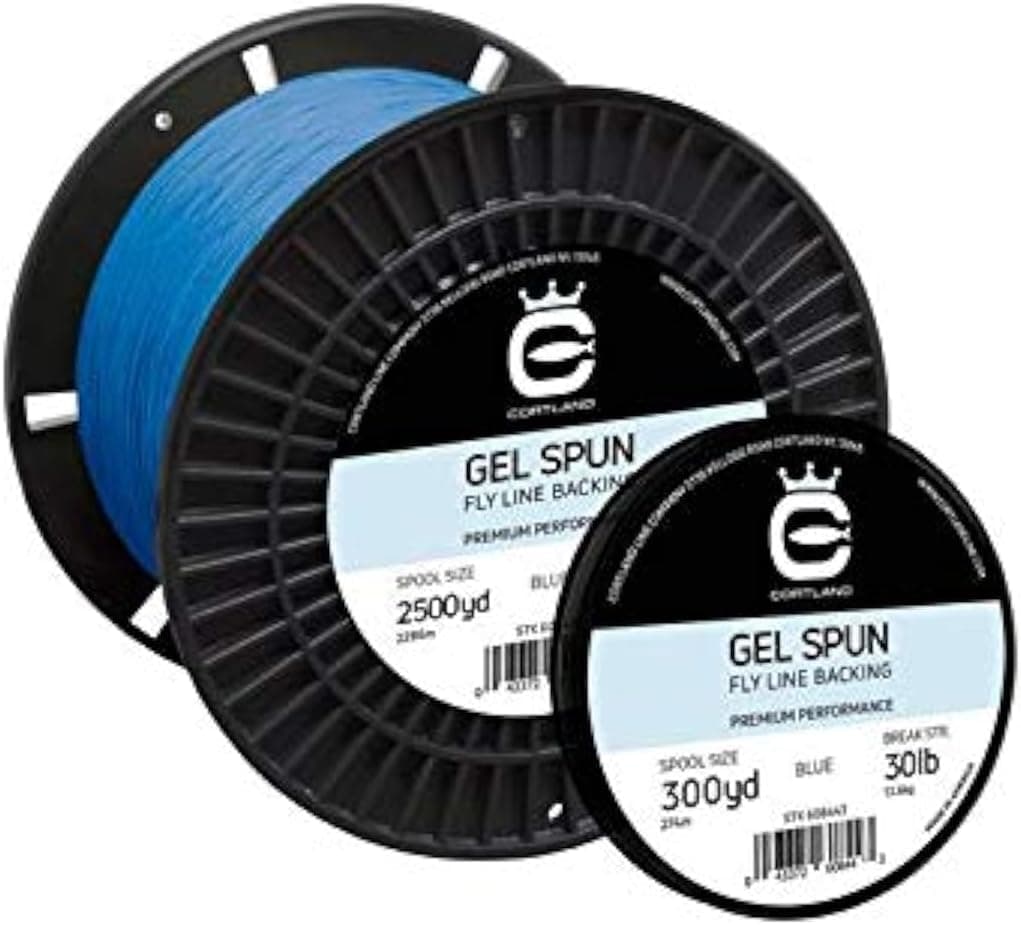
+ Gel spun has a thin diameter so more backing fits on the reel
From our guide: Best Fly Line Backing: The Insurance Under Your Fly Line
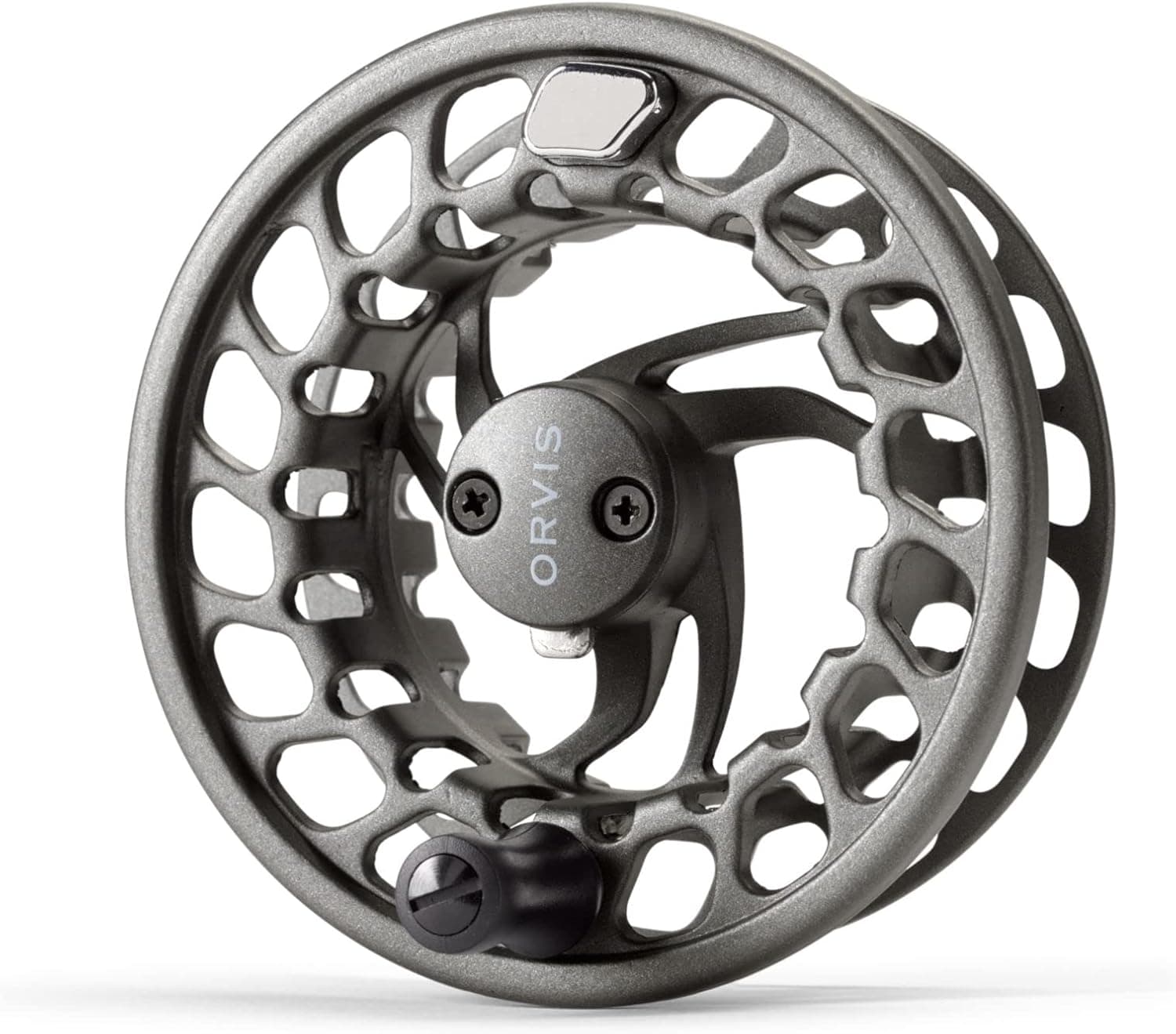
+ II size fits 4-6 wt lines, covering the most common trout rods
From our guide: Best Fly Reels: Drag, Durability, and Where Your Money Goes
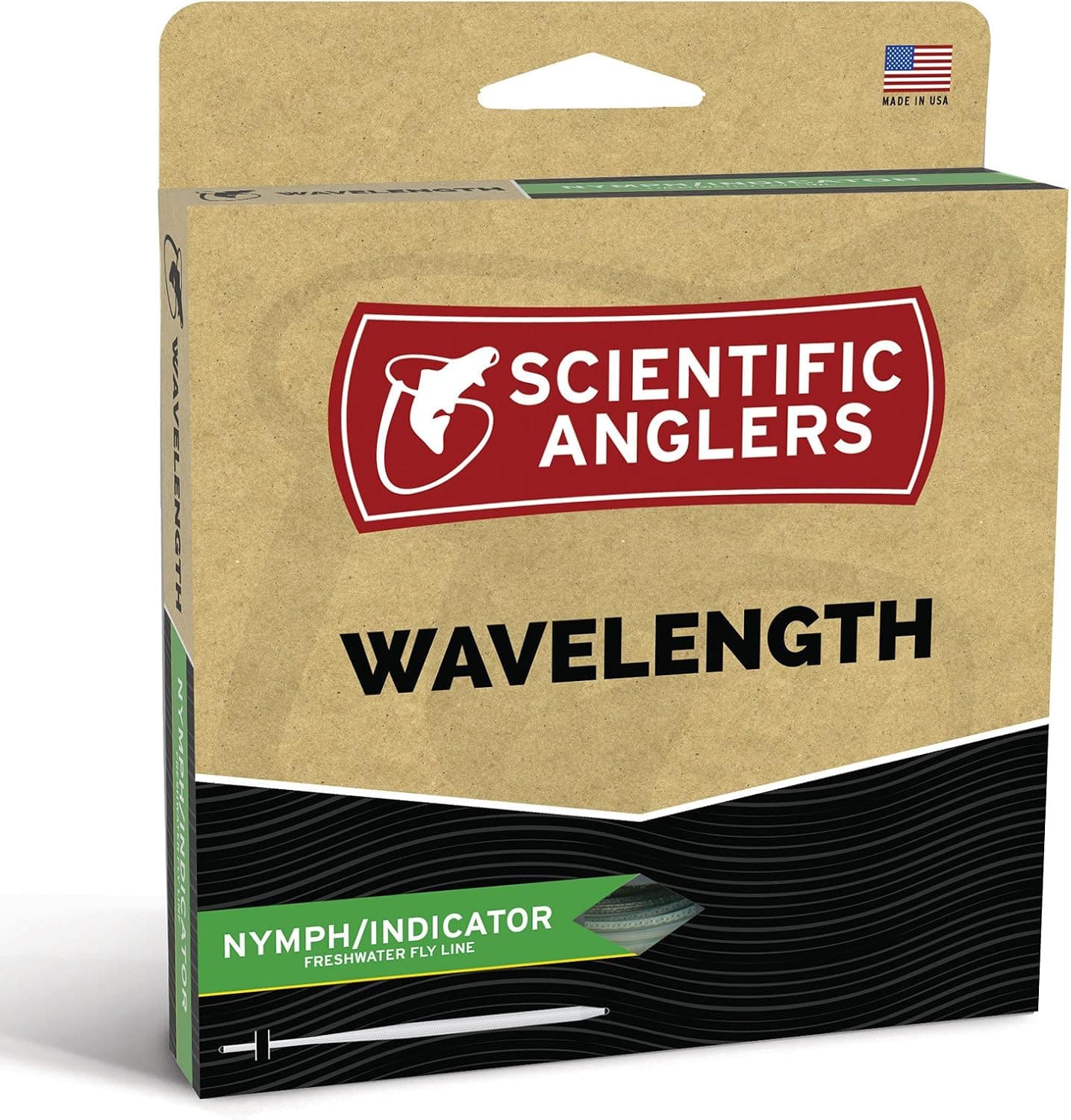
+ Nymph taper turns over heavy flies, split shot and indicators
From our guide: Best Floating Fly Lines: The Upgrade Most Rods Are Waiting For
+ ION reel and Airflo line are quality parts that many kits skip
From our guide: Best 8-Weight Fly Rods for Salt, Bass, and Big Streamers
Popular right now
- Dry Fly vs Nymph vs StreamerArticle
- The Best Waterproof Fly BoxesBuying guide
- Best Kids Fly Rods: Short, Tough Setups That Keep It FunBuying guide
- The Best Nippers and Clippers for Fly FishingBuying guide
- Floating line explainedGlossary
- Best Wader Repair KitsBuying guide
Based on the last 28 days of search and visitor data.