Getting Started with Fly Fishing
Published How we research
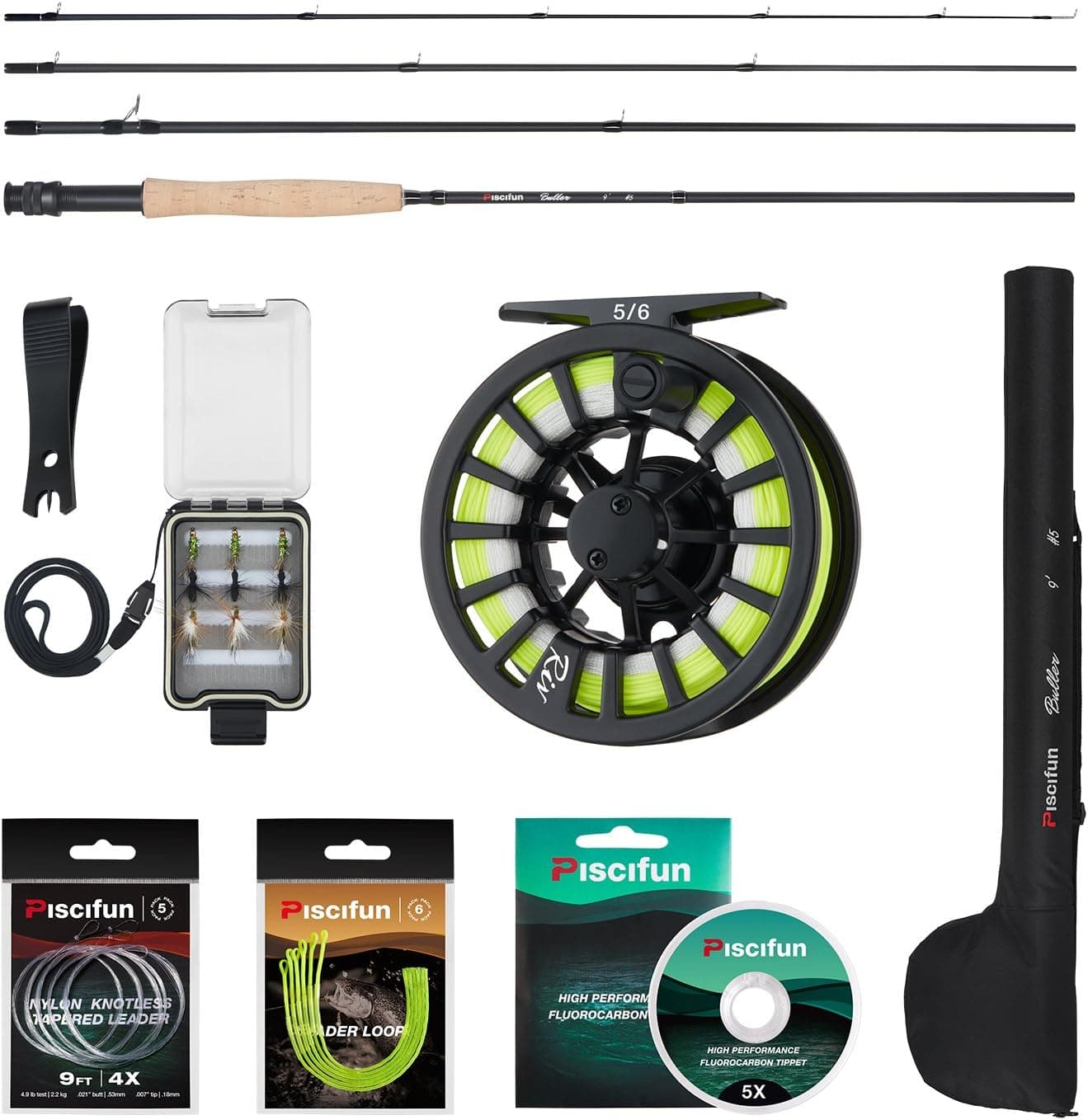
Fly fishing has a reputation for being complicated, and that reputation keeps a lot of people on the bank. The truth is simpler: you need a rod, a reel, a line, a leader, a few flies, and a place to stand. Everything else can wait. If you focus on the handful of skills that actually catch fish in your first season, you will be netting trout long before you understand every piece of jargon in the fly shop.
Start with a 9 foot rod in a 5 weight. This is the standard recommendation for a reason: it is light enough for small trout and dry flies, yet strong enough to turn over nymph rigs and handle wind. Pair it with a simple disc drag reel and a weight forward floating line that matches the rod. A rod and reel combo kit from a reputable brand takes the guesswork out of matching components, and most kits come pre-spooled with backing and line so you can fish the day the box arrives.
Your terminal setup matters more than beginners expect. Buy a few 9 foot tapered leaders in 4X and 5X, plus a spool or two of matching tippet. Add a small box of proven flies: Parachute Adams, Elk Hair Caddis, Pheasant Tail nymphs, Hare's Ear nymphs, and a couple of Woolly Buggers cover most trout situations in most places. Ask the local fly shop what sizes work on nearby water. That single conversation is worth more than hours of internet research, because fly selection is intensely local.
Before you fish, spend two or three sessions casting on grass. You do not need a beautiful cast, just a functional one: 25 to 40 feet, reasonably straight, without the line piling up at your feet. Practice the basic overhead cast and the roll cast. The roll cast matters more than most beginners realize, because real rivers have trees behind you and the roll cast is how you fish anyway.
Choose forgiving water for your first outings. A stocked pond, a wide meadow stream, or a tailwater with plenty of public access will teach you more than a technical, brush-lined creek. Fish the soft edges where fast water meets slow, the tails of pools, and the seams behind rocks. Approach from downstream, keep your shadow off the water, and make short, controlled casts rather than long heroic ones. Most trout are caught within 30 feet of the angler.
Expect to lose flies, tangle leaders, and spook fish. That is not failure, it is the curriculum. Carry nippers and forceps, learn the clinch knot and the surgeon's knot before you leave the house, and re-rig patiently when things go wrong. Keep a simple log of each trip: where you fished, what you used, what happened. Patterns emerge fast, and by the end of one season you will have replaced most of this article with knowledge of your own home water, which is the entire point.
Products from this article
The highest-scoring picks from the buying guides mentioned above. Scores are our editorial assessment, not customer ratings.
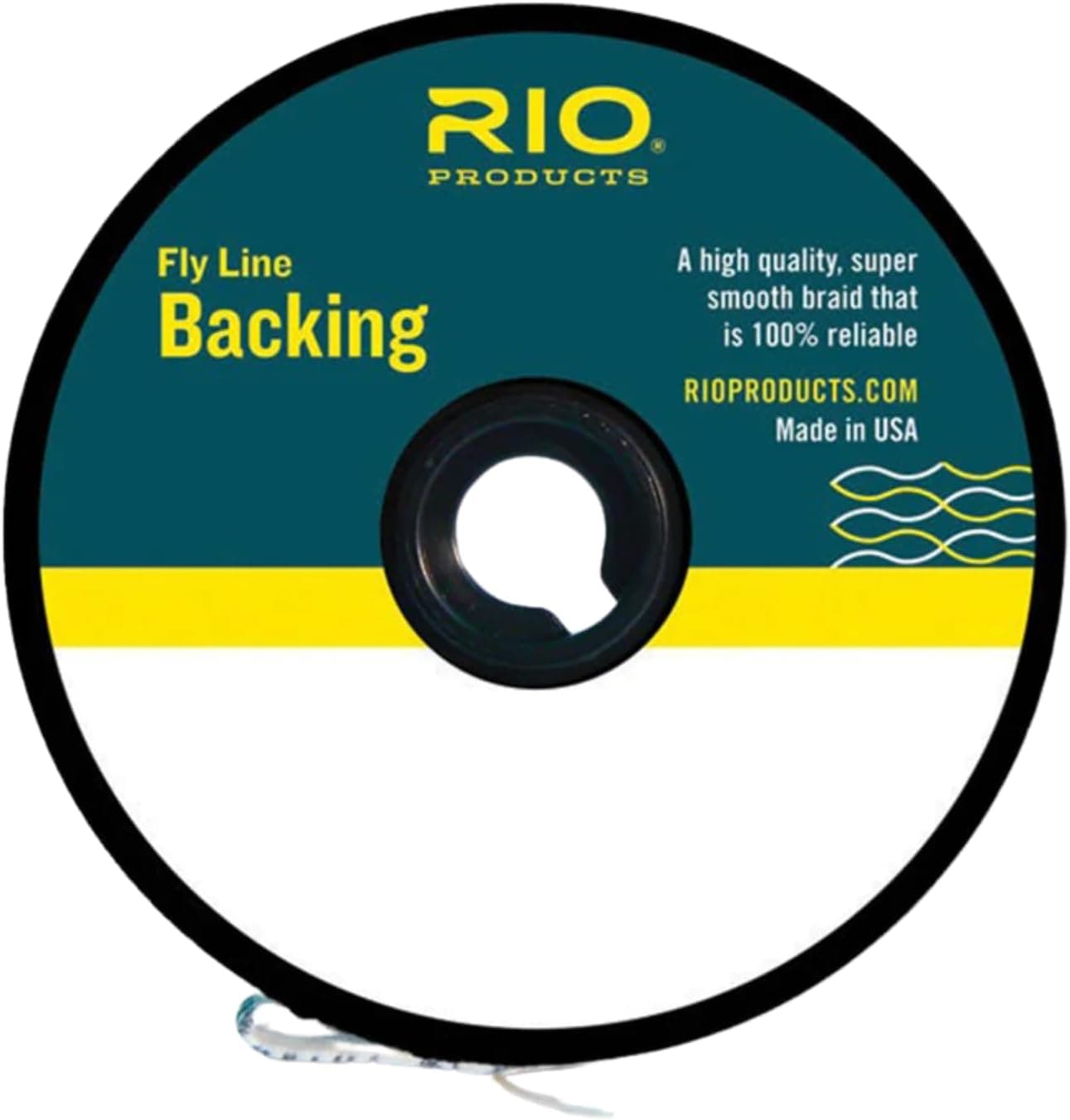
+ 20lb/30lb options cover trout reels through saltwater setups
From our guide: Best Fly Fishing Gear for Beginners
+ Leader, loop and tippet are included, so rigging is ready out of the box
From our guide: Best Fly Rod Combos: Ready-to-Fish Setups That Actually Balance
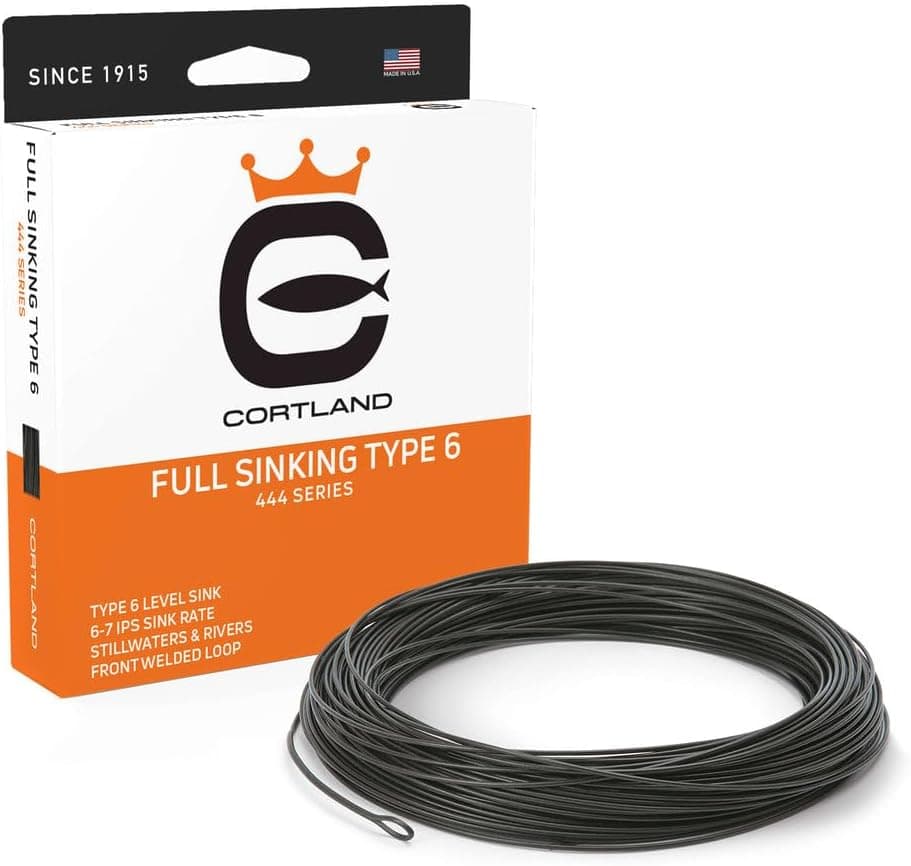
+ Type 6 sink rate gets flies down quickly to deep holding fish
From our guide: Best Sinking Fly Lines: Getting Flies Down Where Fish Hold
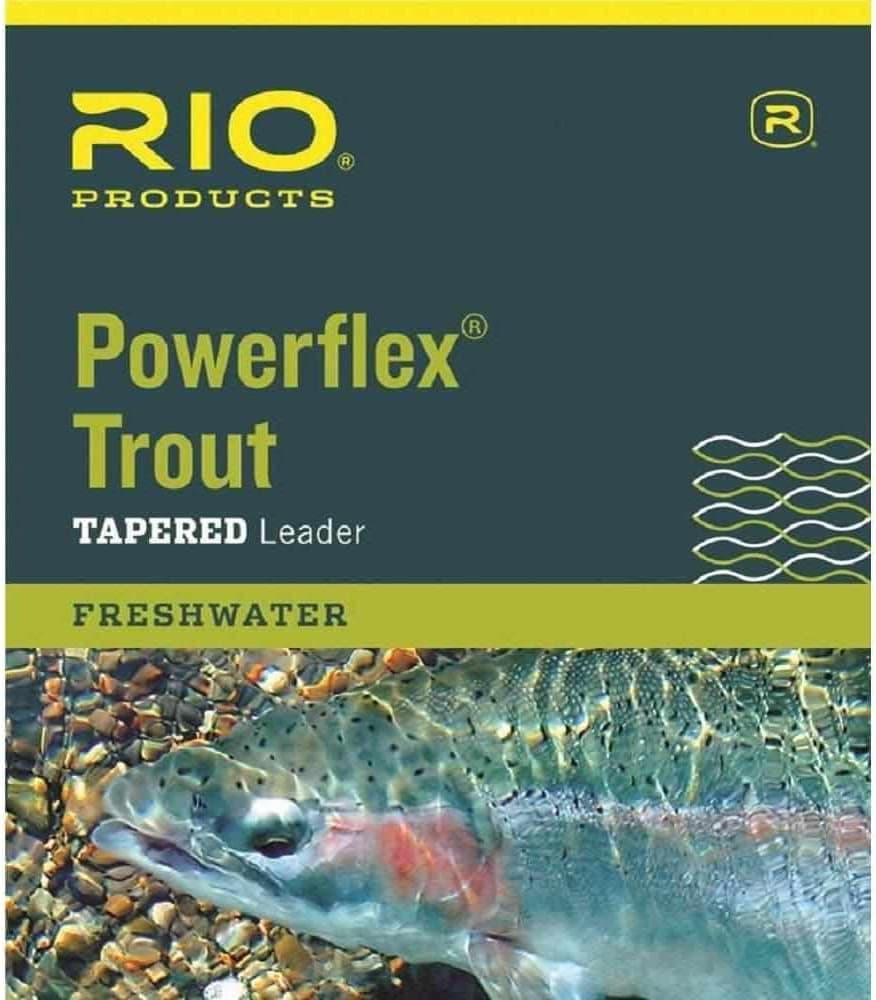
+ 9ft 5X spec is the go-to size for most trout situations
From our guide: Best Fly Fishing Gear for Beginners
Popular right now
- Dry Fly vs Nymph vs StreamerArticle
- The Best Waterproof Fly BoxesBuying guide
- The Best Chest Packs for Fly FishingBuying guide
- Best Wader Repair KitsBuying guide
- Fly Fishing Etiquette on Crowded WaterArticle
- Best Fly Rod Combos: Ready-to-Fish Setups That Actually BalanceBuying guide
Based on the last 28 days of search and visitor data.