Fly Line Care and Cleaning
Published How we research
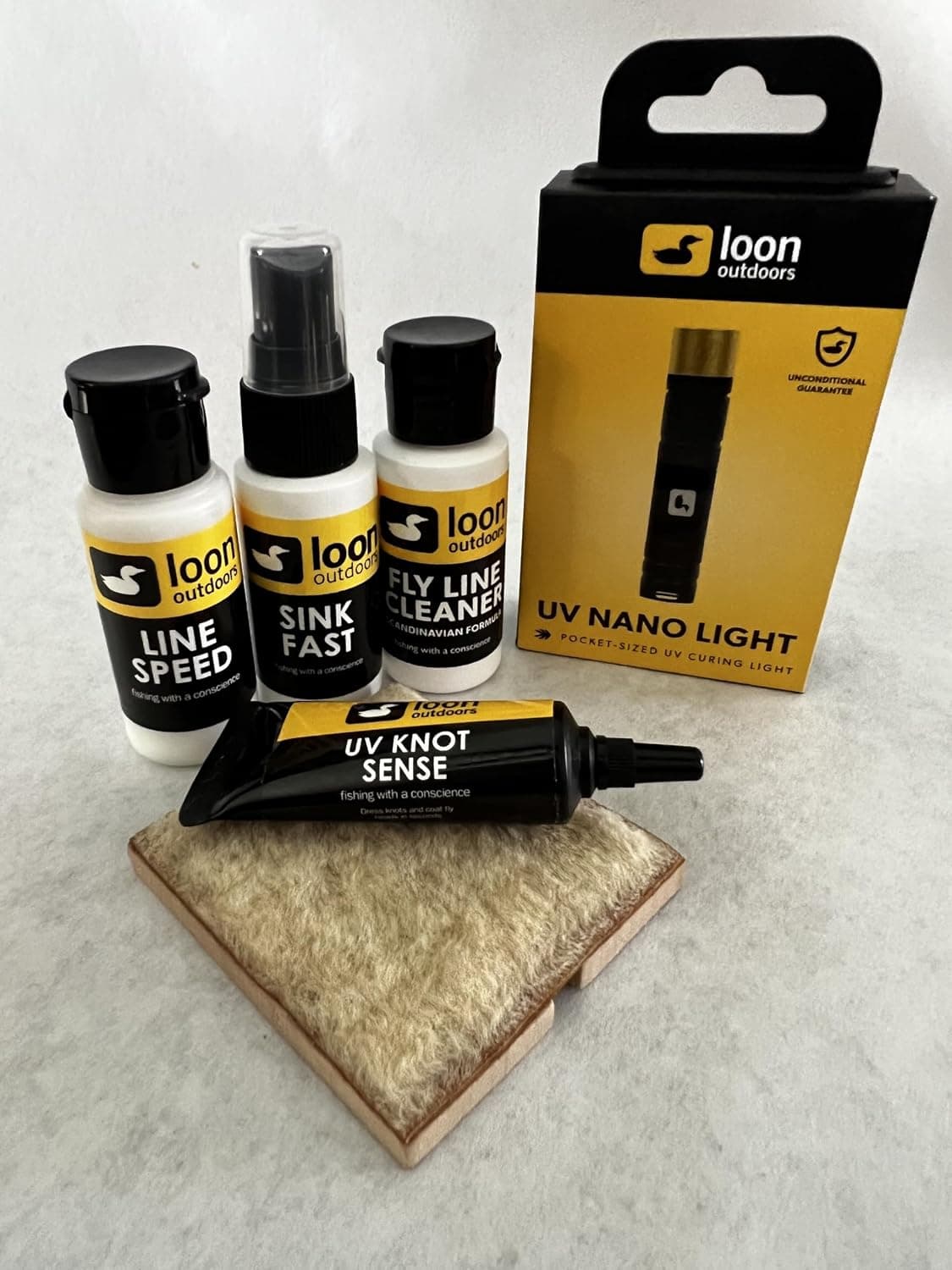
A fly line is the part of the outfit that actually delivers the cast, and it is also the part most anglers ignore until it stops working. Modern lines are a braided or monofilament core wrapped in a flexible coating loaded with tiny air pockets and slickening agents. Dirt fills those pockets, grit scours the coating, and the slickening agents migrate out over time. The result is a line that shoots poorly, hinges in the air, picks up water, and eventually cracks. None of that is inevitable, and reversing most of it takes about fifteen minutes.
You can usually feel a dirty line before you see it. It squeaks through the guides instead of gliding, loses distance on the same casts that used to be easy, and a floating line begins riding low with the tip sinking under the surface film. Run the line between your fingers and look at what comes off. Algae, sunscreen, sand, and the fine grey film that builds up on any line all reduce performance long before the line is truly worn out. Many anglers replace lines that only needed a wash.
Cleaning is simple. Strip the line off the reel into a loose pile or a bucket, then wash it in lukewarm water with a small amount of mild dish soap, running each section through a folded soft cloth. Avoid solvents, alcohol, and anything abrasive, all of which strip the coating. Rinse in clean water and dry the line with a second cloth as you reel it back on. Some manufacturers make cleaning pads and dressings tuned to their coatings, and those are worth using on premium lines. Apply dressing sparingly, since excess just attracts more dirt.
How often depends on where you fish. Freshwater lines used a few times a month do well with a cleaning every four to six outings. Saltwater lines should be rinsed with fresh water after every single trip, because salt crystals are abrasive and they also attack the reel underneath. Lines fished in silty tailwaters or lakes with heavy algae need attention more often than lines used on clean freestone streams. When in doubt, clean it. Over-cleaning does no harm as long as you skip the harsh chemicals.
Handling habits matter as much as cleaning. Keep the line off gritty sand and gravel bars where possible, and use a stripping basket in surf or wind. Never step on a line lying on rock or pavement, since that presses grit straight into the coating. Watch for nicked or grooved guides on the rod, which will shred a line quietly over a season. Sunscreen and insect repellent are hard on coatings, so wipe your hands before the first cast. Avoid leaving a reel on a car dashboard in summer, where heat softens the coating and sets memory coils that never fully relax.
Storage and inspection close the loop. Between trips, leave the line on the reel under light tension rather than stretched tight, and store the reel out of sunlight and heat. For long off-season breaks, some anglers loosely coil the line in large loops rather than leaving it wound on a small arbor. Each spring, stretch the line gently in sections to remove memory and inspect the front twenty feet for cracks, which is where wear concentrates. A cracked or hinged tip section can sometimes be trimmed back and a new loop welded on, but a line that cracks along its length has reached the end of its life. Replacing it is the cheapest upgrade in fly fishing, and one that a well-cared-for line will let you postpone for years.
Products from this article
The highest-scoring picks from the buying guides mentioned above. Scores are our editorial assessment, not customer ratings.
+ Includes line cleaner, Line Speed dressing and a cleaning pad for full line care
From our guide: Best Fly Line Cleaning Kits: Cheap Care That Extends Casting
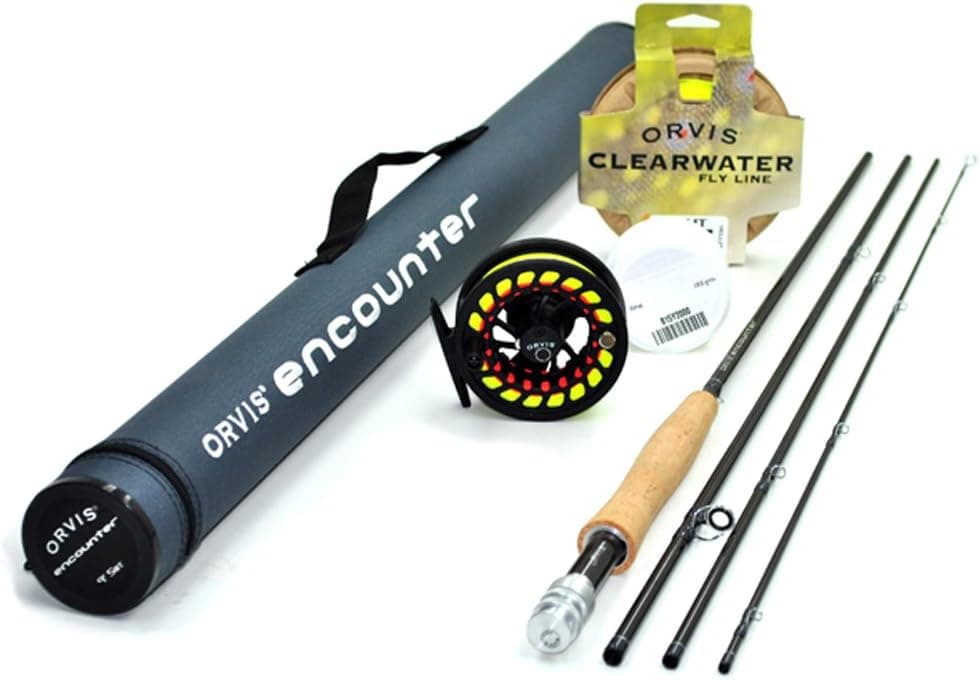
+ 5wt 9' is the classic first trout rod spec that handles most rivers
From our guide: Best Beginner Fly Rods: Forgiving Rods That Teach a Clean Cast
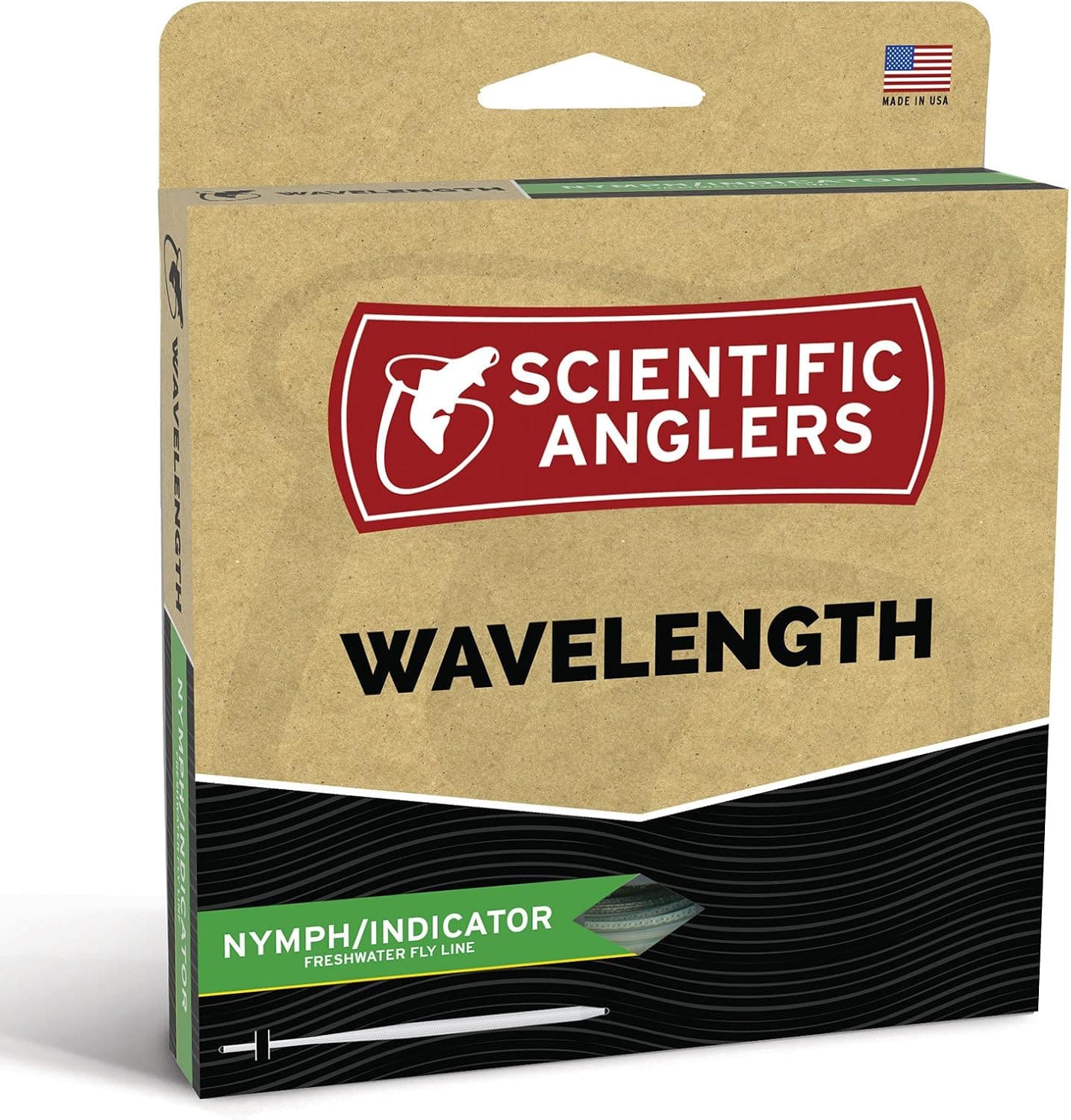
+ Nymph taper turns over heavy flies, split shot and indicators
From our guide: Best Floating Fly Lines: The Upgrade Most Rods Are Waiting For
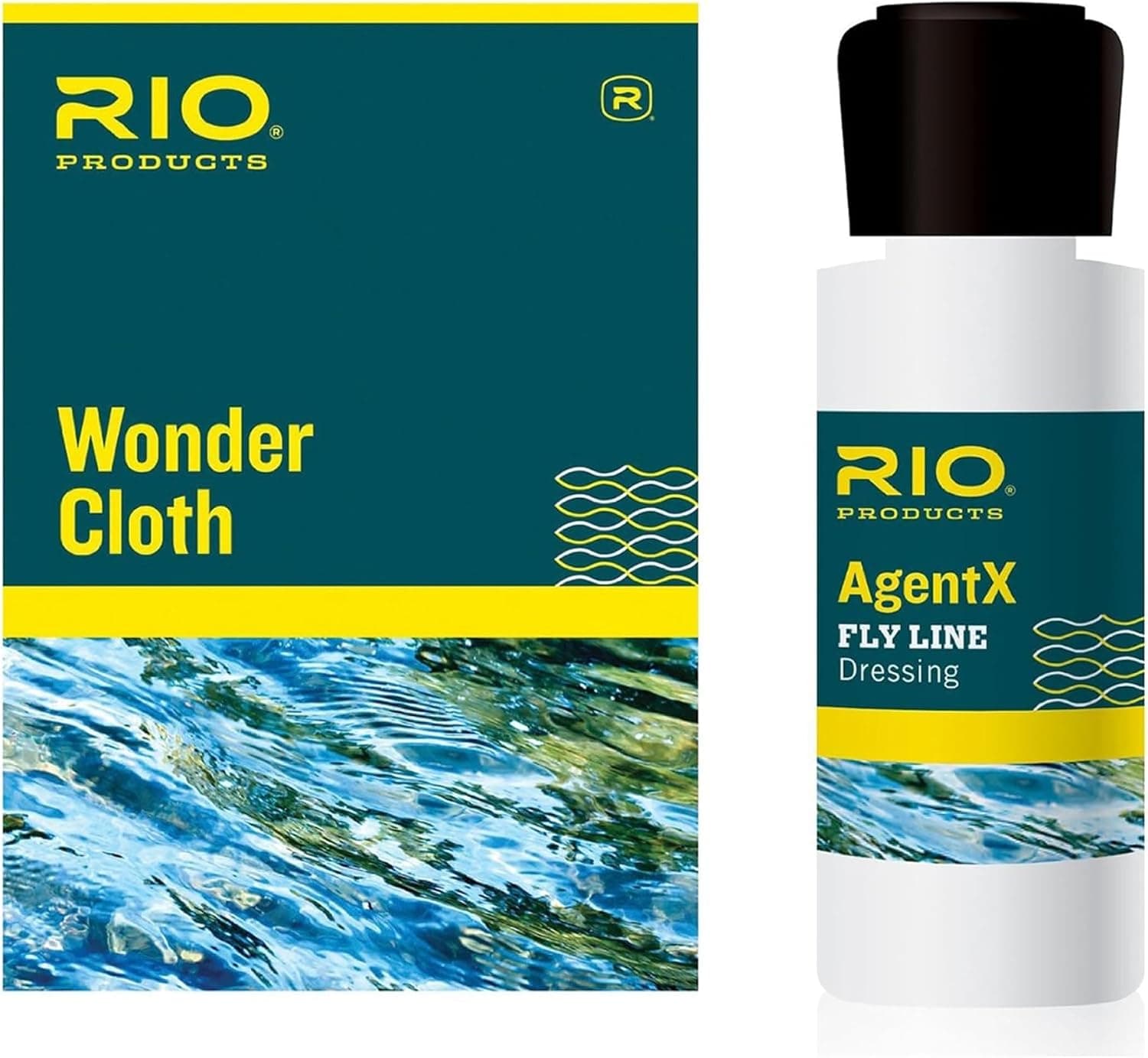
+ Wonder Cloth lifts grime without damaging the line coating
From our guide: Best Fly Line Cleaning Kits: Cheap Care That Extends Casting
Popular right now
- Dry Fly vs Nymph vs StreamerArticle
- The Best Waterproof Fly BoxesBuying guide
- The Best Chest Packs for Fly FishingBuying guide
- Best Wader Repair KitsBuying guide
- Fly Fishing Etiquette on Crowded WaterArticle
- Best Fly Rod Combos: Ready-to-Fish Setups That Actually BalanceBuying guide
Based on the last 28 days of search and visitor data.