Fly Fishing Small Streams
Published How we research
Small streams are where fly fishing makes the most sense. The water is readable at a glance, the trout are honest and opportunistic, and the whole game compresses to its essentials: sneak close, make one accurate cast, get one clean drift. Anglers raised on big rivers are often surprised how much small water teaches, and how quickly, because every mistake gets instant feedback. Spook a pool on a creek and you watch the consequences dart in every direction.
The fish are eager, but they are also paranoid, and stealth matters more than any fly selection decision you will make. Small stream trout live in shallow water with predators overhead, and they flee from footsteps, shadows, silhouettes, and the flash of a rod. Approach every pool from downstream, since trout face into the current, and stay low, using boulders and brush as screens. Wear drab clothing, keep false casting to a minimum, and treat the streambank like it is wired with alarms, because through a trout's window, it is. Half the craft on a creek is deciding where to kneel.
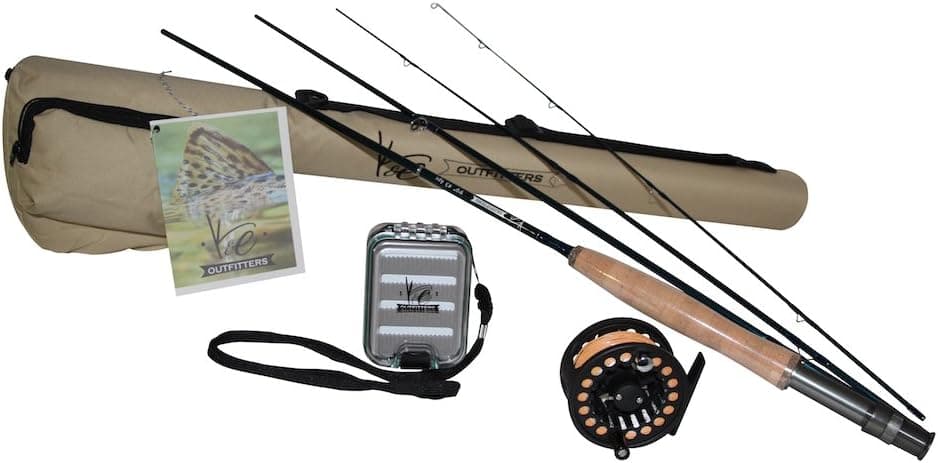
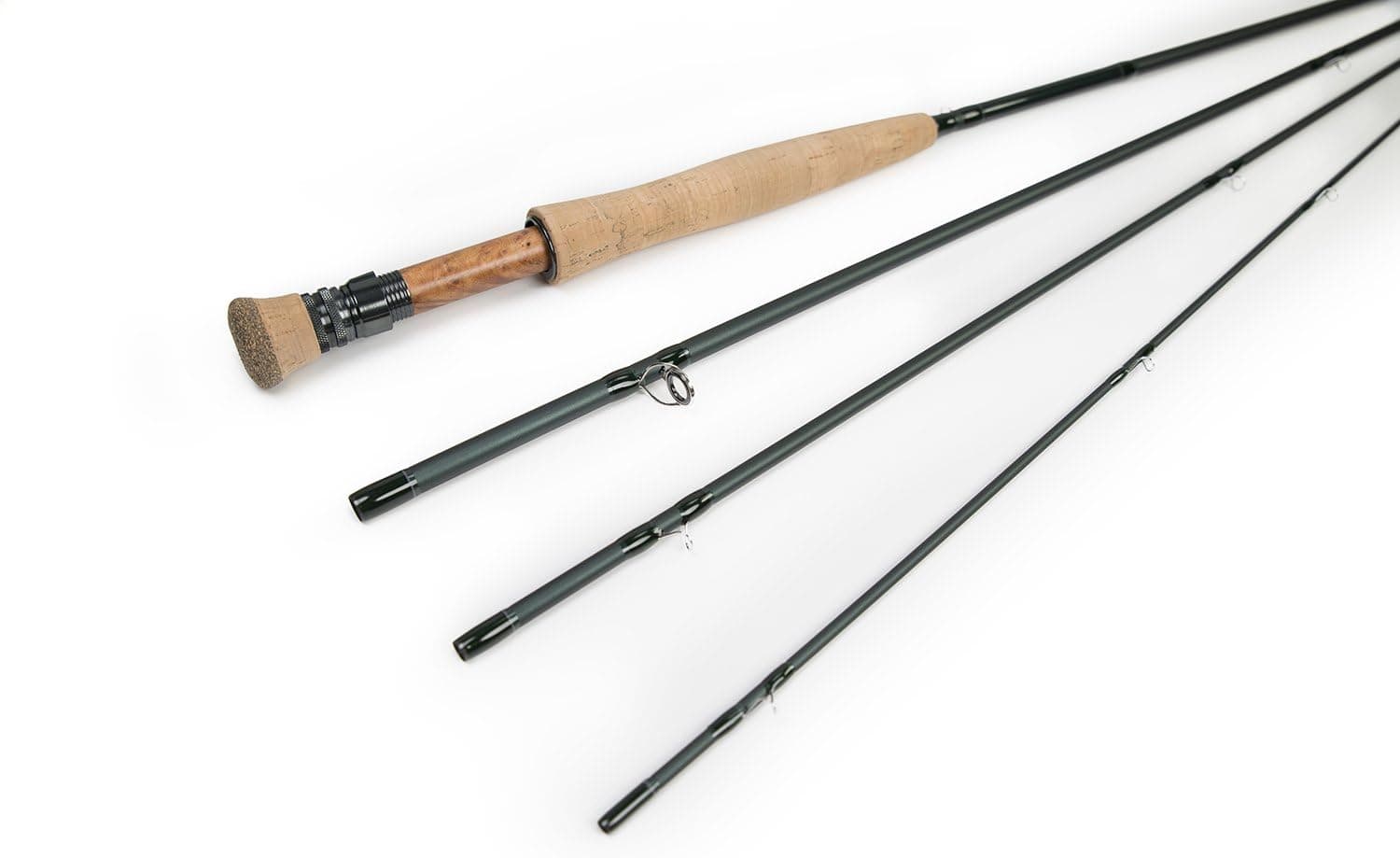
Gear runs light and short. A 6 to 8 foot rod in a 2, 3, or 4 weight is the classic choice: light enough that small wild trout pull back, short enough to cast under alders and between boulders. Some anglers go the other way with a long tenkara-style rod for reach-over drifts in pocket water, and both philosophies work. Leaders shorten to about 7.5 feet, because you rarely cast far and you need the fly, not the line, arriving in tight windows. This is also the arena where fiberglass rods shine, loading deeply on ten-foot casts that would barely flex a fast graphite rod.
Casting on small streams is a game of angles rather than distance. Most presentations happen inside 20 feet, and the overhead cast is often impossible, so the working tools are the roll cast, the sidearm cast under branches, and the bow-and-arrow cast for the tightest tunnels of brush, where you draw the fly back like an arrow, load the rod against it, and let go. Accuracy beats delicacy: the eat usually happens in the first two feet of drift, so landing the fly at the head of the pocket matters more than a long elegant float. Expect to donate flies to the trees and carry enough that it does not bother you.
Fly choice is refreshingly simple, because small stream trout cannot afford to be picky in food-poor water. A high-floating attractor dry, a Royal Wulff, Stimulator, Elk Hair Caddis, or foam beetle in size 12 to 16, will draw fish up all season. If they flash but refuse, hang a small beadhead dropper 18 inches below it, and the dry-dropper covers nearly every situation a creek presents. One fly box, one spool of 5X, and a handful of leaders is a full small-stream kit, which is part of the joy.
Fish small water with a moving mindset: hit the obvious spots, the plunge pool, the seam beside the boulder, the shaded undercut, with a few good casts each, then keep walking upstream. Rest a pool you disturbed and it may recover in ten minutes, but there is usually better ahead. And handle these fish with extra care, since wild trout in small water are often old fish that simply live in miniature. A creek that holds seven-inch natives is not a lesser version of the big river. It is a complete fishery at a different scale, and the skills it drills, stealth, accuracy, and reading water, transfer to every piece of water you will ever fish.
Products from this article
The highest-scoring picks from the buying guides mentioned above. Scores are our editorial assessment, not customer ratings.
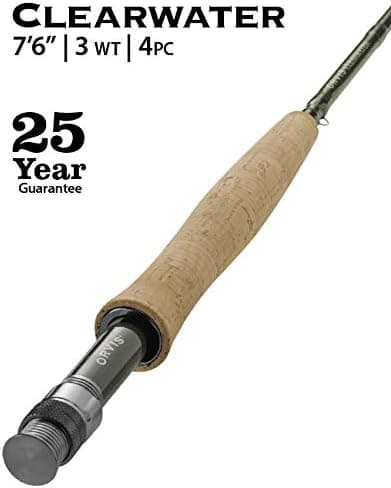
+ 7'6" length is easy to cast under overhanging branches on small water
From our guide: Best 3-Weight Fly Rods for Small Streams and Light Lines
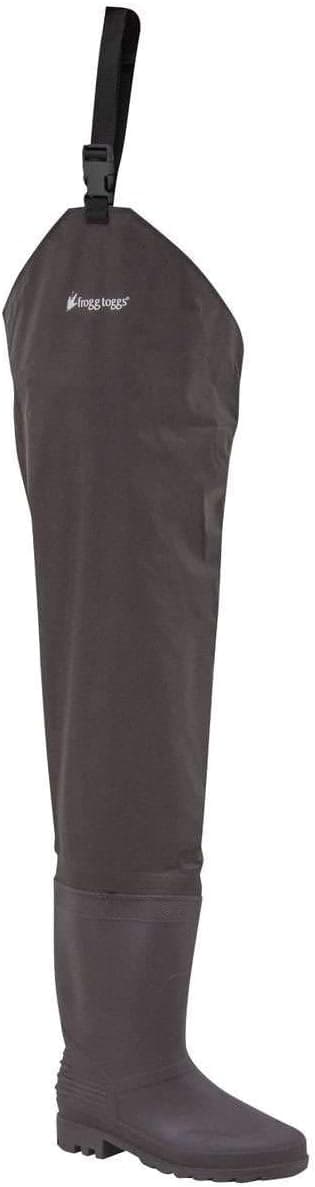
+ Choice of cleated or felt outsole to match your stream bottoms
From our guide: Best Hip Waders
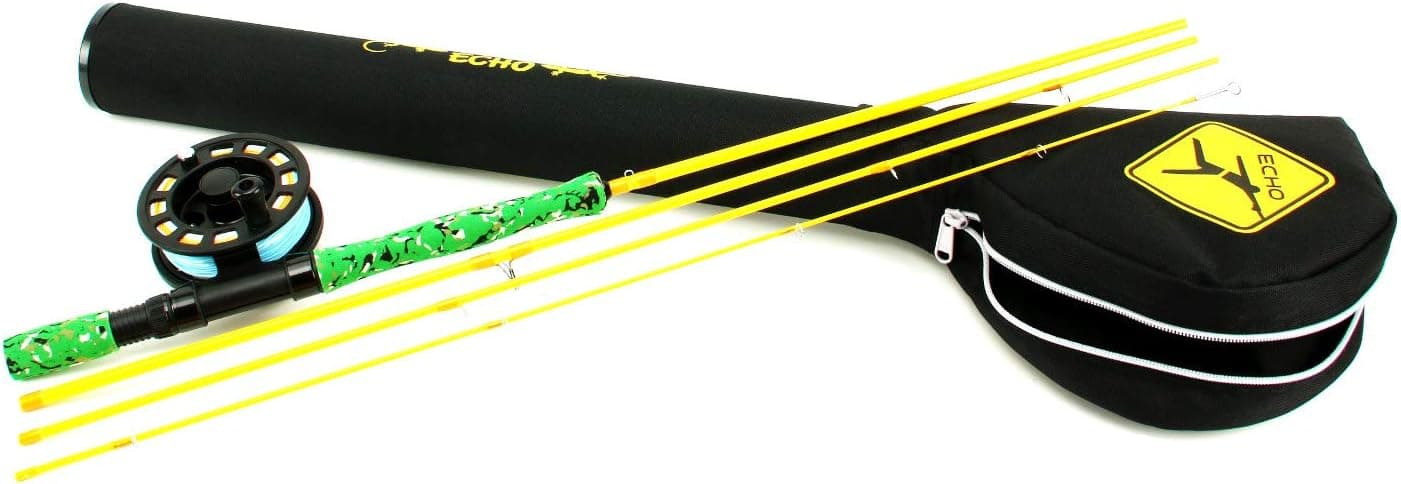
+ Designed from the ground up for children, not just a shortened adult rod
From our guide: Best Kids Fly Rods: Short, Tough Setups That Keep It Fun
+ 10'0" length gives excellent reach for tight-line nymphing and mending
From our guide: Best 3-Weight Fly Rods for Small Streams and Light Lines
Popular right now
- Dry Fly vs Nymph vs StreamerArticle
- The Best Waterproof Fly BoxesBuying guide
- The Best Chest Packs for Fly FishingBuying guide
- Best Wader Repair KitsBuying guide
- Fly Fishing Etiquette on Crowded WaterArticle
- Best Fly Rod Combos: Ready-to-Fish Setups That Actually BalanceBuying guide
Based on the last 28 days of search and visitor data.