Fly Casting Basics
Published How we research
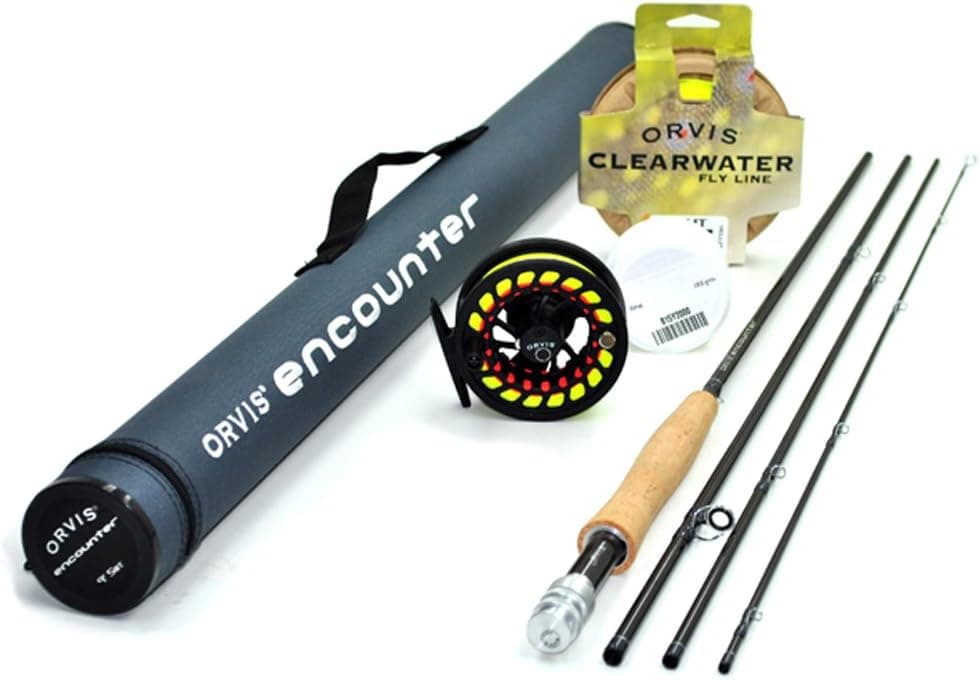
Fly casting is not about strength, and it is not about waving the rod fast. It is about bending the rod against the weight of the line and then stopping crisply so the rod unloads and throws the line for you. Once that idea clicks, everything else in casting is refinement. Until it clicks, more effort usually means worse results, because extra muscle opens your loops and piles the line.
Start with the pick-up and lay-down cast, the foundation of everything. Strip out about 25 feet of line on grass or calm water. Begin with the rod tip low and the line straight in front of you. Accelerate the rod smoothly up and back, and stop firmly when the rod is just past vertical. That stop is the single most important move in fly casting. The line needs time to straighten behind you, so pause. Then accelerate forward and stop again with the tip high, letting the line roll out and fall. Low tip, smooth acceleration, hard stop, pause, forward stroke, hard stop. That sequence is the whole cast.
The pause on the back cast is where most beginners struggle, because you cannot see the line behind you. Turn your head and watch it on practice sessions. The line should straighten fully, almost tugging the rod tip, before you start forward. Come forward too early and you will hear a whip crack, which is your fly snapping off. Wait too long and the line falls, catching grass or water behind you. The pause gets longer as you carry more line, which is why short casts feel easy and long ones fall apart.
Loop shape tells you everything about your stroke. A tight, narrow loop cuts through wind and lands accurately. A wide, open loop wastes energy and collapses. Tight loops come from moving the rod tip in a straight line during the stroke, which means smooth acceleration to a crisp stop, not a big swinging arc. If your loops are wide, shorten your casting arc and exaggerate the stops. If the line is hitting the rod or tangling, you are probably starting the forward cast before the back cast straightens.
Add the roll cast early, not later. Draw the rod slowly back so the line hangs beside you in a D shape, then drive the rod forward to a crisp stop. The line rolls out across the water without ever going behind you. On brushy rivers you will roll cast constantly, and it is also the easiest way to reposition line before picking it up. A beginner with a solid 30 foot overhead cast and a dependable roll cast can fish almost anywhere.
Practice in short, frequent sessions: fifteen minutes, three times a week, beats a two hour marathon that grooves bad habits into tired arms. Practice with a yarn tuft instead of a fly, put out a target like a hula hoop, and vary your distances. On the water, resist the urge to cast to the horizon. Accuracy at 30 feet catches far more trout than a shaky 60 foot cast, and every good caster you will ever meet built their distance on top of clean short-range mechanics, never the other way around.
Products from this article
The highest-scoring picks from the buying guides mentioned above. Scores are our editorial assessment, not customer ratings.
+ 5wt 9' is the classic first trout rod spec that handles most rivers
From our guide: Best Beginner Fly Rods: Forgiving Rods That Teach a Clean Cast
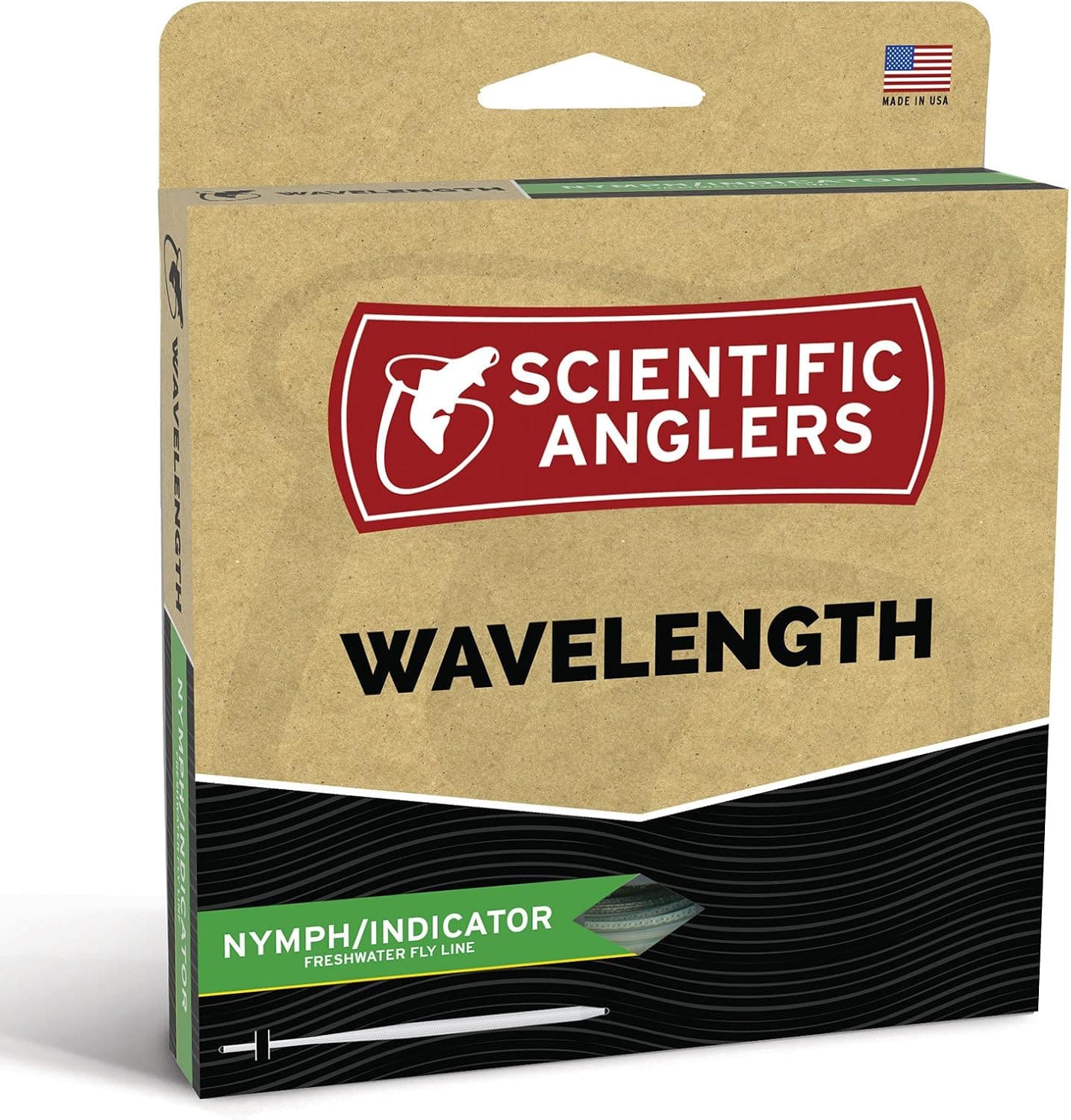
+ Nymph taper turns over heavy flies, split shot and indicators
From our guide: Best Floating Fly Lines: The Upgrade Most Rods Are Waiting For
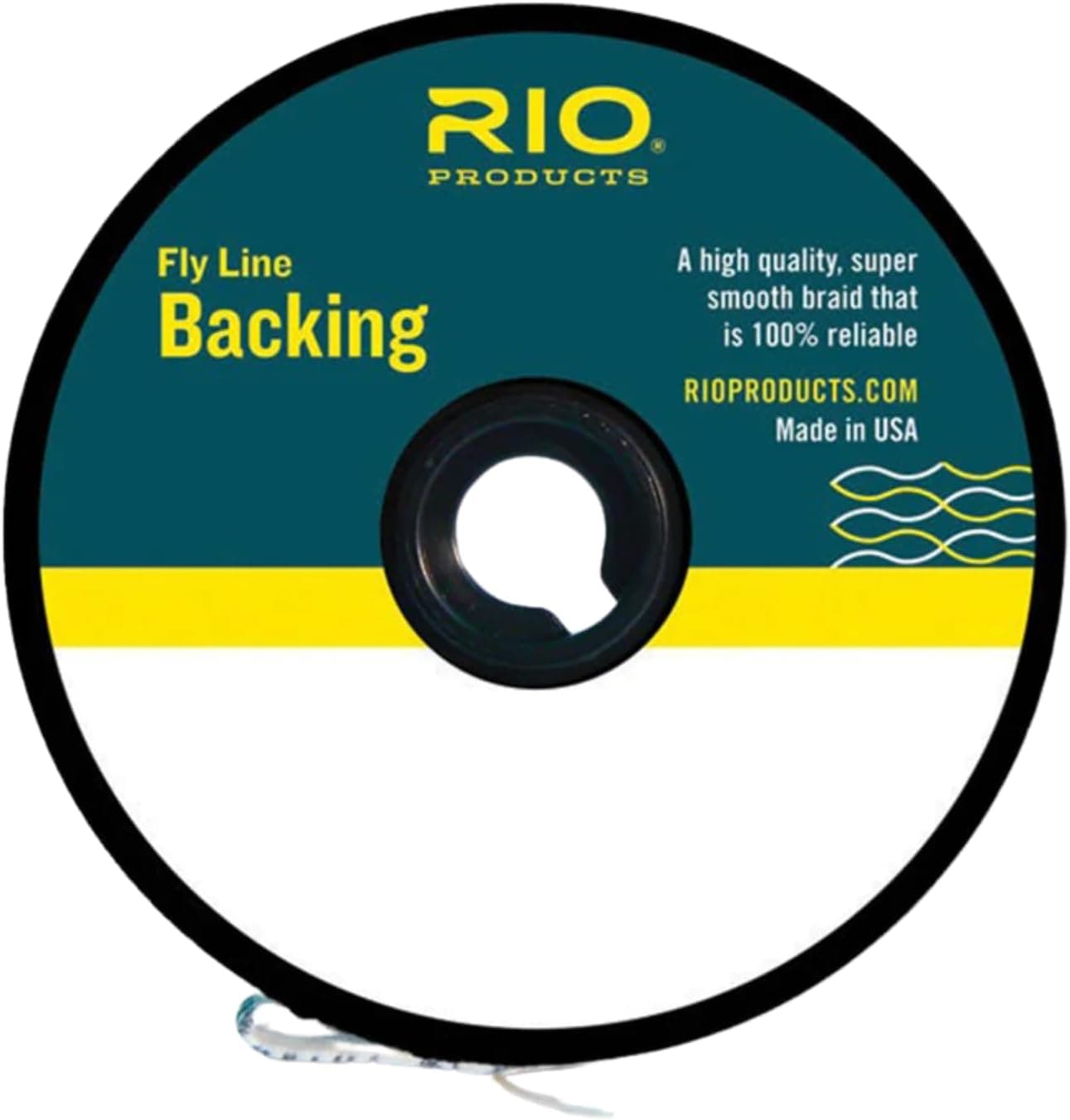
+ 20lb/30lb options cover trout reels through saltwater setups
From our guide: Best Fly Fishing Gear for Beginners
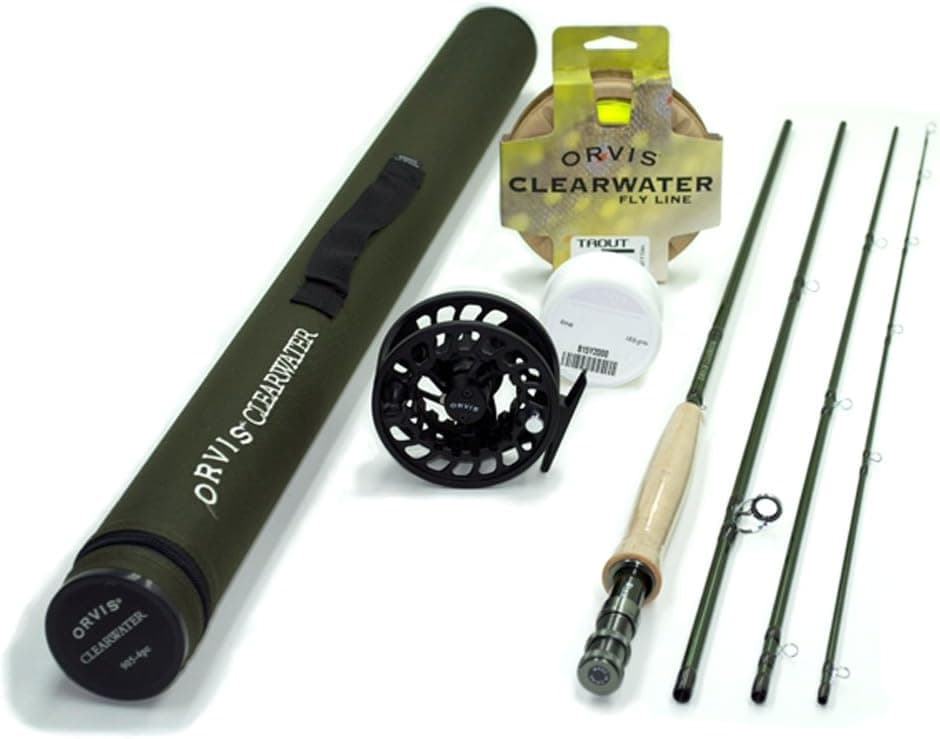
+ 8'6" length is easier to handle on brushy streams than a full-length rod
From our guide: Best Beginner Fly Rods: Forgiving Rods That Teach a Clean Cast
Popular right now
- Dry Fly vs Nymph vs StreamerArticle
- The Best Waterproof Fly BoxesBuying guide
- The Best Chest Packs for Fly FishingBuying guide
- Best Wader Repair KitsBuying guide
- Fly Fishing Etiquette on Crowded WaterArticle
- Best Fly Rod Combos: Ready-to-Fish Setups That Actually BalanceBuying guide
Based on the last 28 days of search and visitor data.