Fall and Winter Fly Fishing
Published How we research
Most anglers hang up their waders after the first hard frost, which is exactly why the cold seasons are worth fishing. The rivers empty of people, the fish are still there, and both fall and winter offer distinct, legitimate opportunities rather than mere leftovers of summer. The game changes, slower, deeper, more deliberate, but anglers who adapt often report their best fish of the year between October and March.
Fall is aggression season. Brown trout and brook trout spawn in autumn, and in the weeks before the spawn they become territorial and eat streamers with an anger no other season produces. Swing and strip sculpin patterns, Woolly Buggers, and larger articulated flies through pools, tailouts, and undercut banks, especially on overcast days. At the same time, the season's reliable hatch is the blue-winged olive, a small mayfly that emerges best on the grey, drizzly afternoons that fair-weather anglers avoid; carry sizes 18 to 22 in dries and emergers and you can find rising fish into November. One ethical line matters here: when you see fish paired on clean gravel depressions, those are active spawning beds called redds. Leave those fish alone and avoid wading through gravel tailouts entirely, because next year's fishery is in that gravel.
Winter fishing is a different discipline: slower, smaller, and concentrated in both time and space. Trout in cold water hold in the slowest, deepest water available, winter buckets, where they can survive while burning minimal energy, and they will not move far for food. Forget covering miles of river; find two or three deep, slow pools and work them thoroughly. The productive window is compressed too, usually late morning through mid afternoon when the water warms a degree or two. Sleeping in is not laziness in winter, it is strategy.
The winter menu is short, which simplifies fly choice. Midges hatch all winter and are often the only surface game in town; fish Zebra Midges and small pupa patterns deep, or a Griffith's Gnat when you find the rare pod of risers on a calm afternoon. Beyond midges, small nymphs, Pheasant Tails, Hare's Ears, scuds and sowbugs on tailwaters, fished dead slow along the bottom, do the work. Takes in cold water are subtle to the point of invisibility, so tighten your rig: less distance between indicator and flies, or better, a tight-line approach where you feel everything. Set the hook on anything that pauses.
Tailwaters, the rivers flowing from the bottom of dams, are winter's great gift. Bottom-release water stays relatively warm and stable through the cold months, keeping fish active and bugs hatching when freestone rivers are locked in ice. If you are lucky enough to live near one, winter fishing can be nearly as productive as spring. On freestone rivers, watch for warm spells of a few days; a 40 degree afternoon after a week of cold can turn the river briefly, wonderfully on.
Cold-season comfort and safety deserve real planning. Layer with wool or synthetics under your waders, never cotton, and carry spare gloves and a hat in a dry bag. Fingerless wool gloves, hand warmers in your pockets, and a thermos turn a grim outing into a pleasant one. Ice in the guides is a fact of life; dip the rod tip in the water to clear it rather than picking at it. Wade shallower and more conservatively than in summer, because a soaking that is inconvenient in July is dangerous in January, and fish with a partner when you can. The reward for all this is solitude, rising fish in the snow, and the particular satisfaction of a season that never actually ends.
Products from this article
The highest-scoring picks from the buying guides mentioned above. Scores are our editorial assessment, not customer ratings.
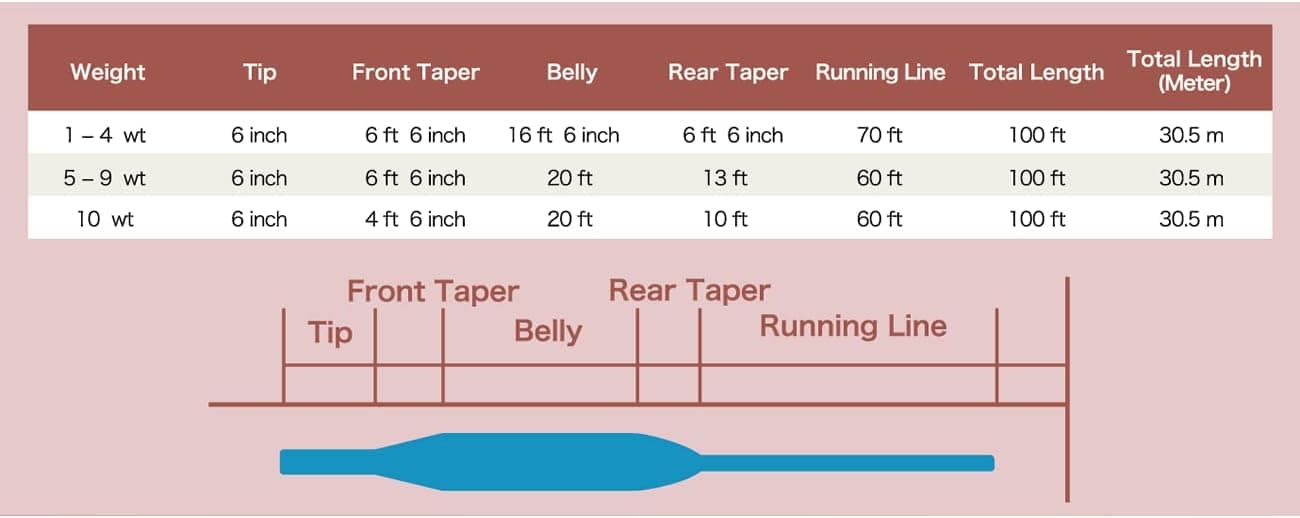
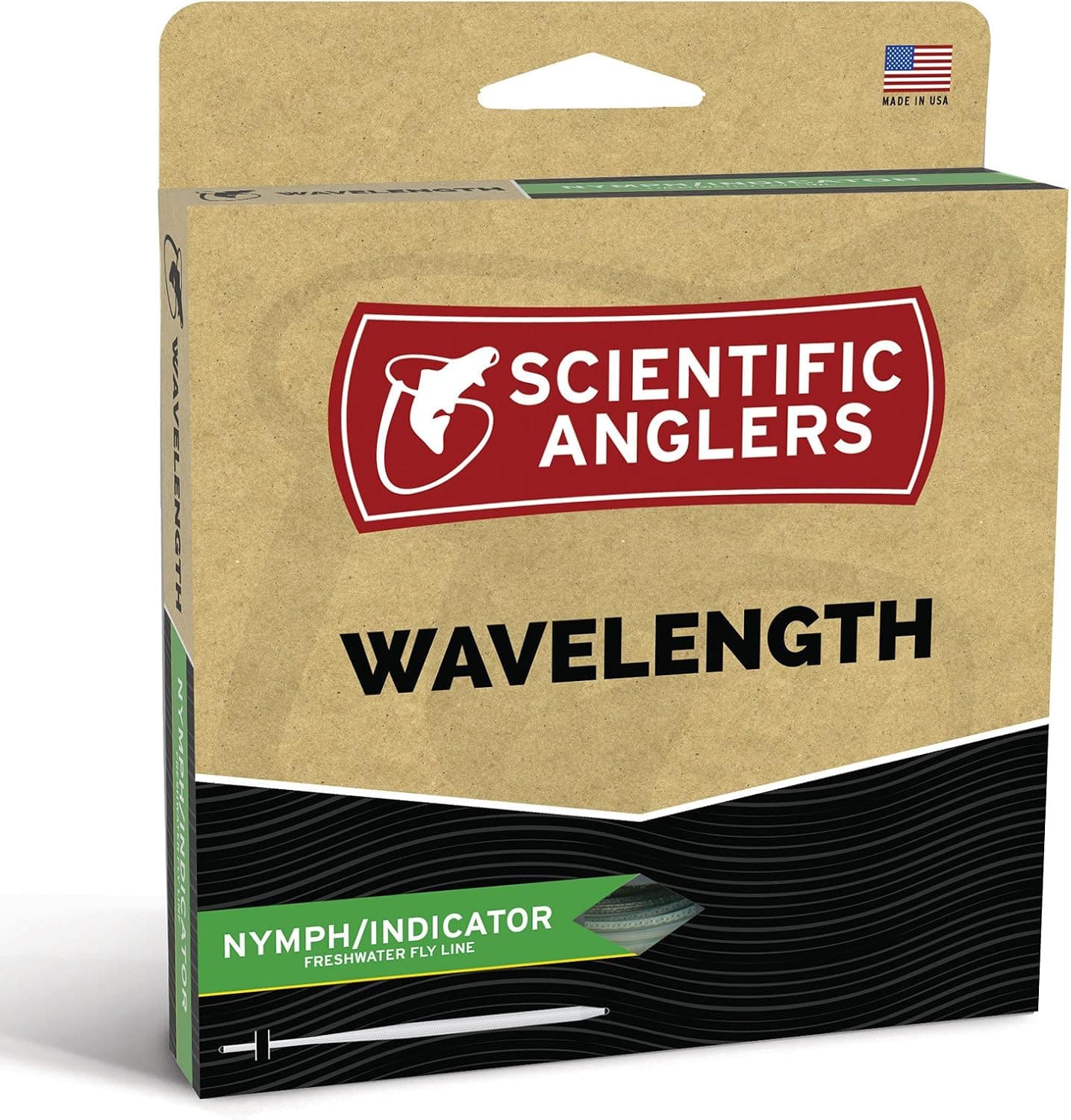
+ Nymph taper turns over heavy flies, split shot and indicators
From our guide: Best Floating Fly Lines: The Upgrade Most Rods Are Waiting For
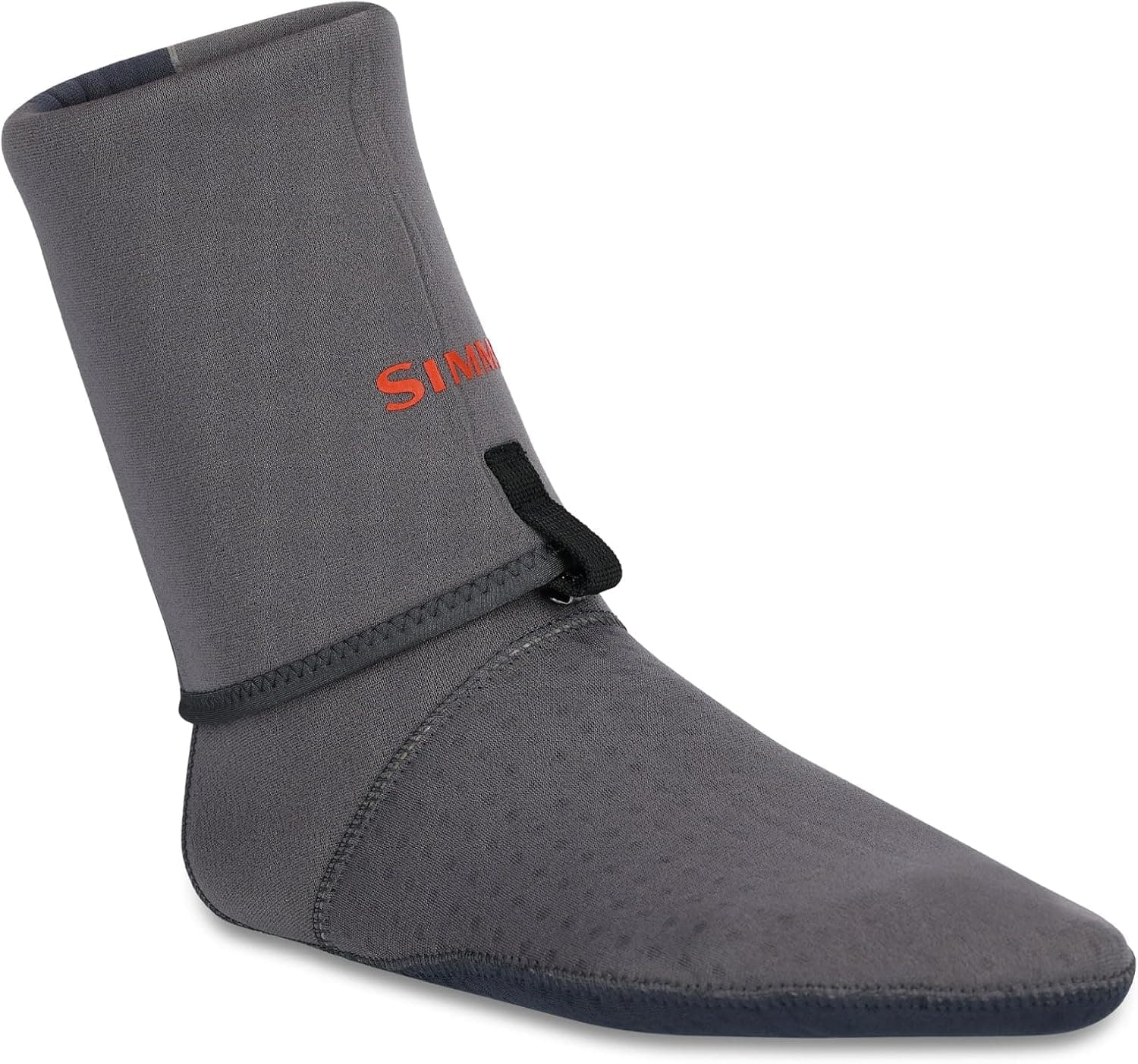
+ 3.5mm neoprene adds warmth for cooler wet wading days
From our guide: Best Wading Socks
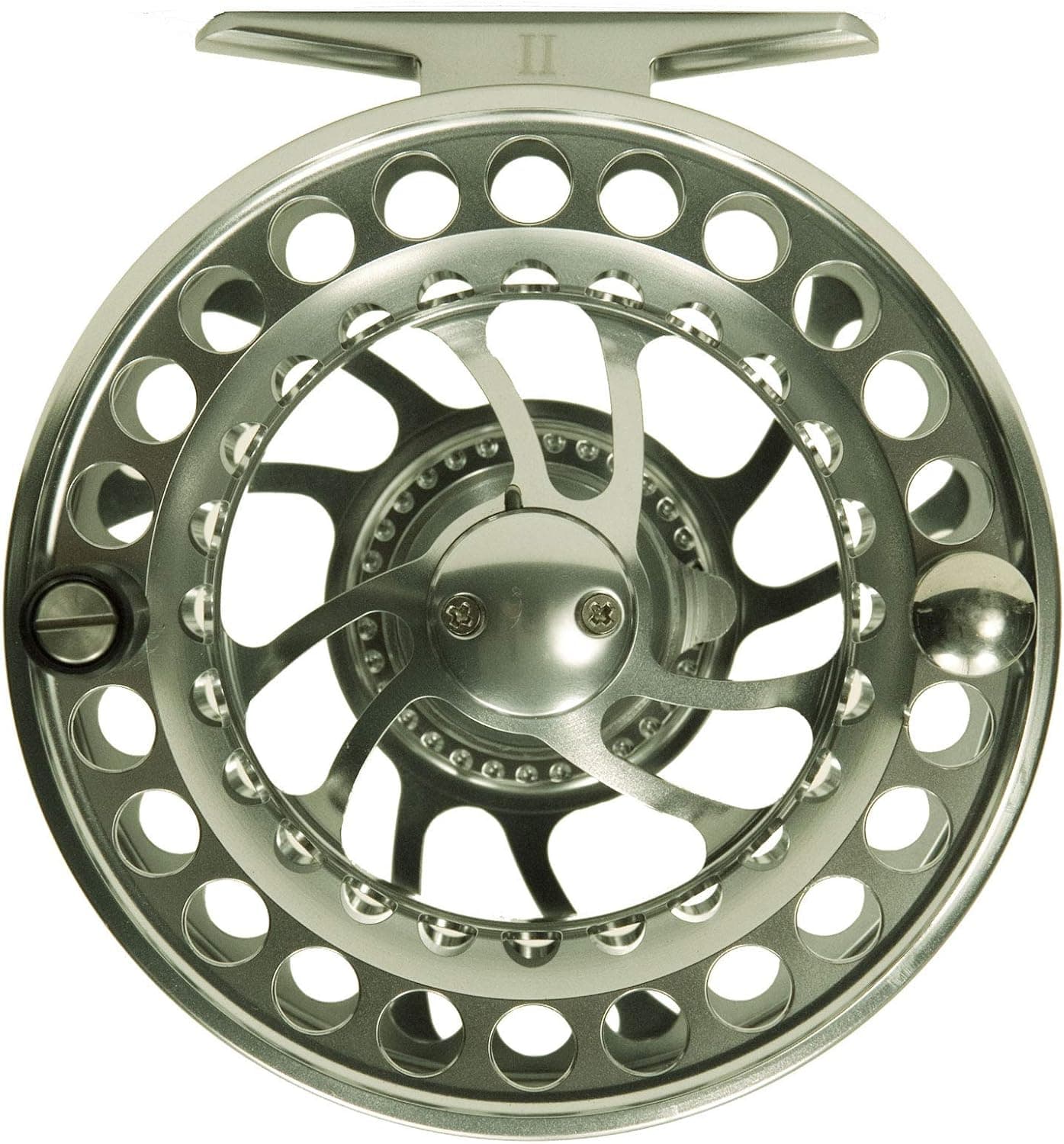
+ Super large arbor picks up line quickly when fish run toward you
From our guide: Best Fly Reels: Drag, Durability, and Where Your Money Goes
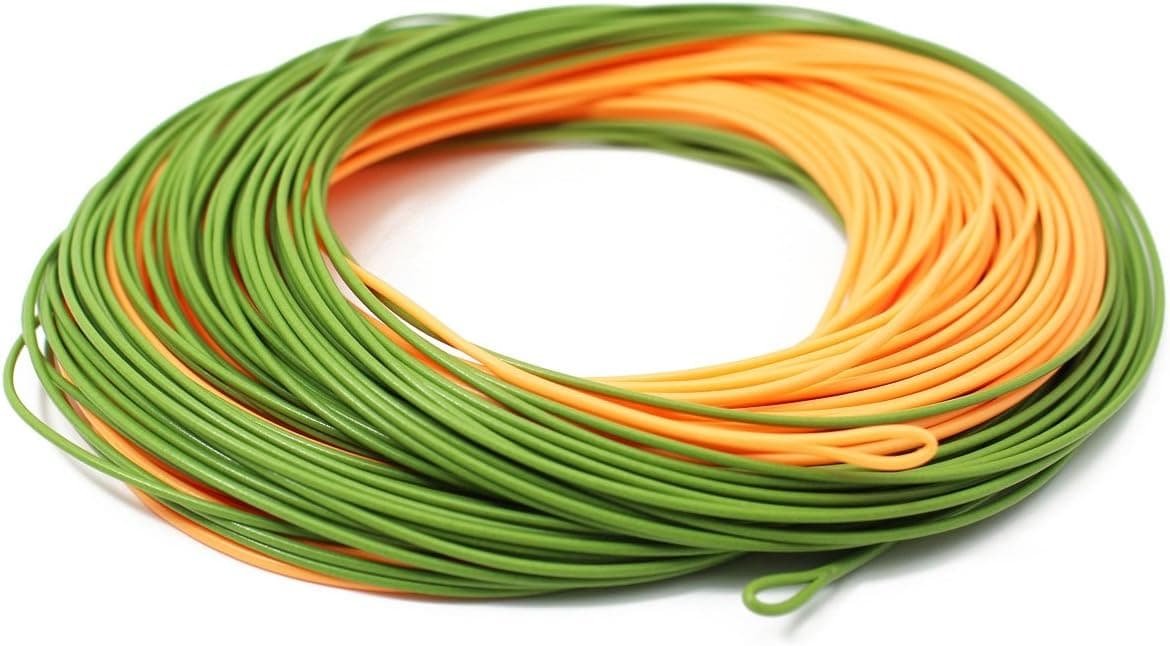
+ 2 welded loops make loop-to-loop leader and backing connections simple
From our guide: Best Floating Fly Lines: The Upgrade Most Rods Are Waiting For
Popular right now
- Dry Fly vs Nymph vs StreamerArticle
- The Best Waterproof Fly BoxesBuying guide
- The Best Chest Packs for Fly FishingBuying guide
- Best Wader Repair KitsBuying guide
- Fly Fishing Etiquette on Crowded WaterArticle
- Best Fly Rod Combos: Ready-to-Fish Setups That Actually BalanceBuying guide
Based on the last 28 days of search and visitor data.