Euro Nymphing Basics
Published How we research
Euro nymphing, also called tight-line or contact nymphing, is a method refined on the European competition circuit that has quietly become the most effective way to catch trout on nymphs in moving water. The core idea is simple: instead of suspending flies under a strike indicator and watching it, you stay directly connected to weighted flies through a long rod and a thin, mostly-off-the-water leader. You feel and see takes instantly, you control depth precisely, and you eliminate the drag that indicator rigs create. The learning curve is real, but the payoff shows up fast in your net.
The outfit is specialized but not complicated. The classic euro rod is 10 to 11 feet in a 2 or 3 weight, long for reach and soft in the tip to protect light tippet and telegraph strikes. The reel just balances the rod. The leader does the work of the fly line: a long tapered butt section, then a brightly colored monofilament sighter section, then a length of 5X or 6X tippet to the flies. Because the flies are weighted, usually with tungsten beads, you are casting the weight of the rig rather than the fly line, which feels more like an accurate lob than a classic cast.
The drift is the heart of the method. Cast upstream or up-and-across, then lead the flies downstream with the rod tip, keeping the sighter tensioned just enough that it stays visible and slightly angled. All that thin leader off the water means no line belly for the current to grab, so your nymphs sink fast and drift at the speed of the bottom current, which is slower than the surface and much closer to how natural food behaves. You are aiming for contact without pulling: tight enough to register a take, loose enough that the flies drift honestly.
Strike detection is where euro nymphing embarrasses the indicator. Watch the sighter and strike at anything: a pause, a twitch, a slight straightening, the tip point hesitating while the current continues. Many takes also arrive as a feeling, a tick or a soft weight in the rod hand. Set the hook with a quick downstream lift. You will set on rocks constantly at first. Do it anyway; the cost of a false set is nothing and the habit builds the reflex that converts subtle takes into fish.
Fly choice follows function. Euro patterns are slim, heavy, and quick-sinking: Perdigons, Frenchies, Walt's Worms, tungsten Pheasant Tails. Slim profiles cut through the water column faster than fuzzy traditional dressings. Most anglers fish two flies, a heavier anchor fly on point and a lighter pattern on a tag above it, and adjust weight by changing flies rather than adding split shot. Carry the same few patterns in several bead sizes and you can fish almost any depth and speed you will meet.
Work water methodically rather than casting far. Euro nymphing is a close game, most effective within a rod length or two, so approach from downstream, fish the near seam first, and comb pockets, riffles, and runs in a grid before stepping. Stay low, keep your rod tip leading the drift, and re-cast every few seconds; the method rewards volume of quality drifts. Give it three full outings before you judge it. The first trip feels awkward, the second feels plausible, and somewhere in the third the sighter stabs down, you lift, and you understand why competition anglers fish this way almost exclusively.
Products from this article
The highest-scoring picks from the buying guides mentioned above. Scores are our editorial assessment, not customer ratings.
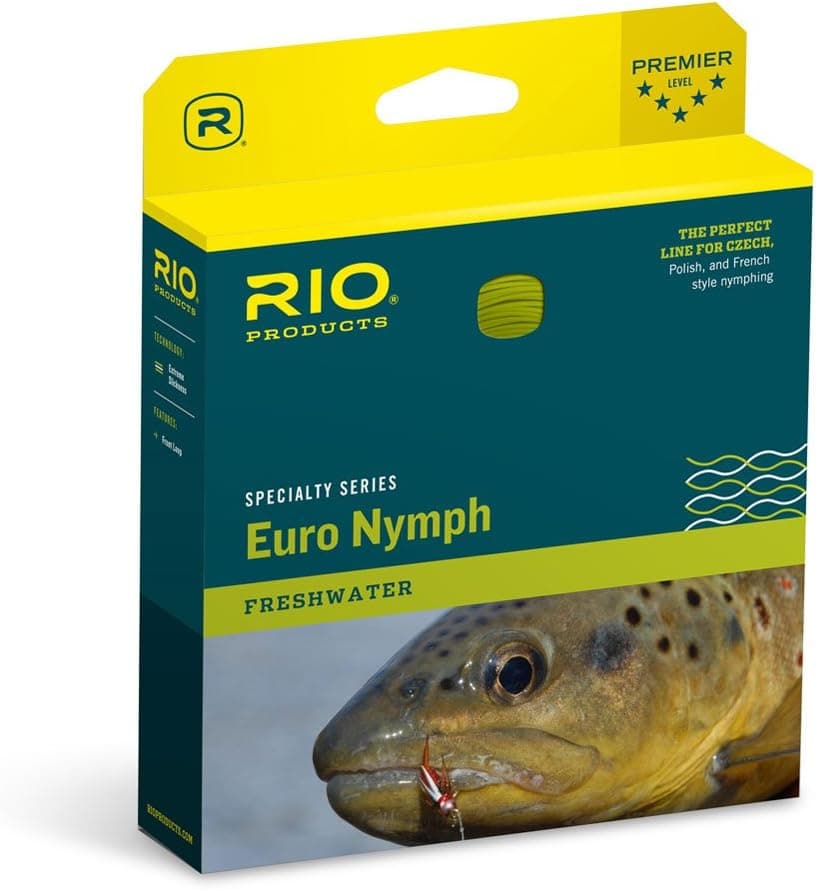
+ Thin diameter reduces sag for better contact with nymphs
From our guide: Best Euro Nymph Lines: Thin Lines for Tight-Line Control
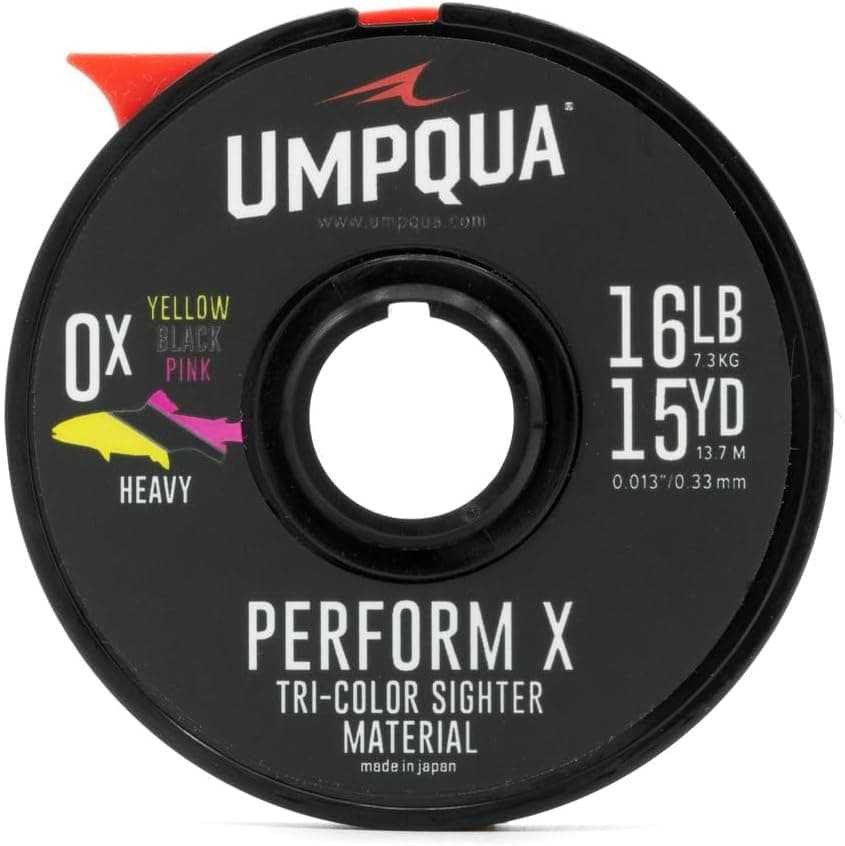
+ Two tone coloring makes subtle strikes easy to see
From our guide: Best Sighter Material for Euro Nymphing Rigs
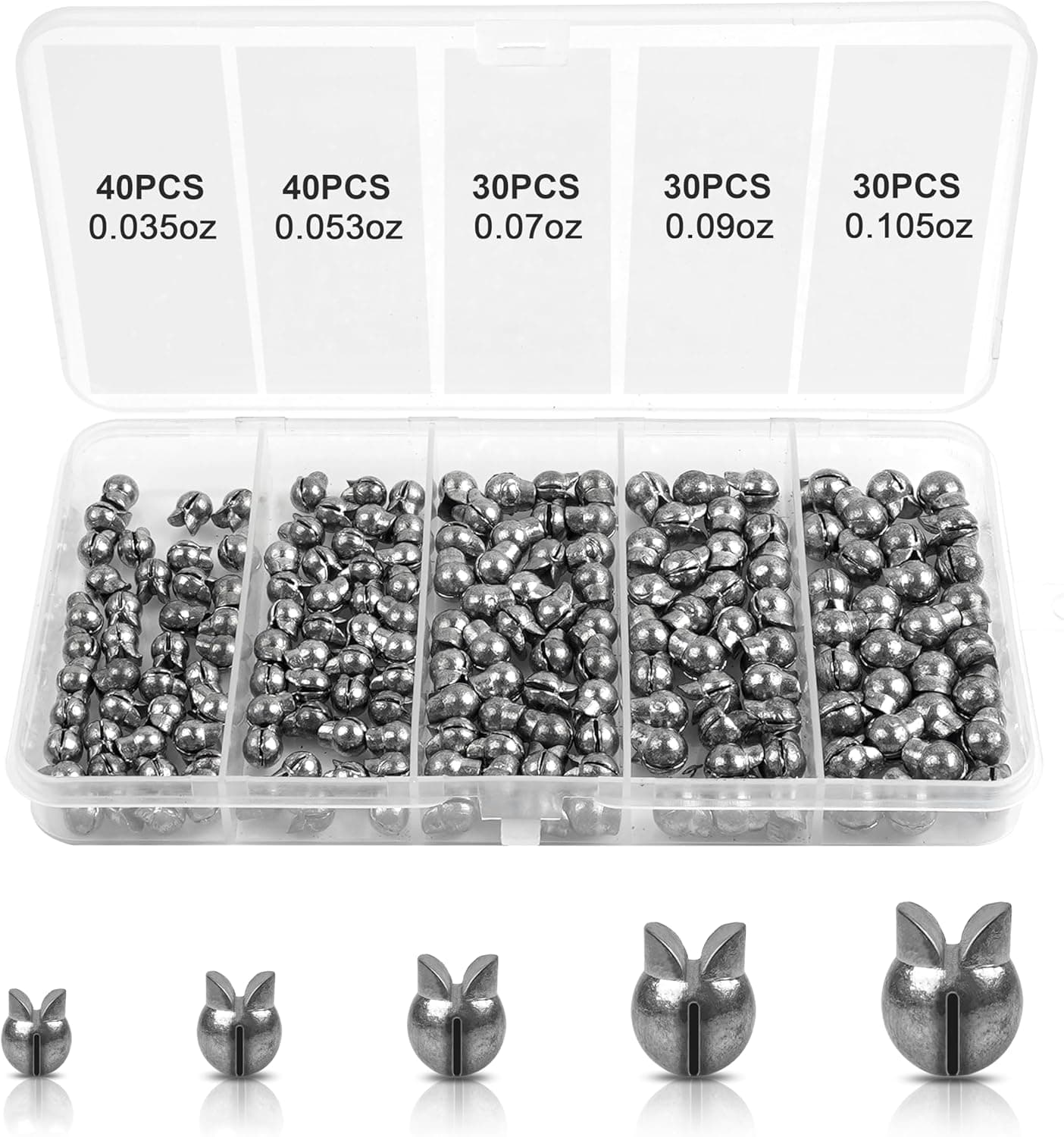
+ 170pcs in 5 sizes covers light to heavy weighting
From our guide: The Best Split Shot and Weights for Fly Fishing
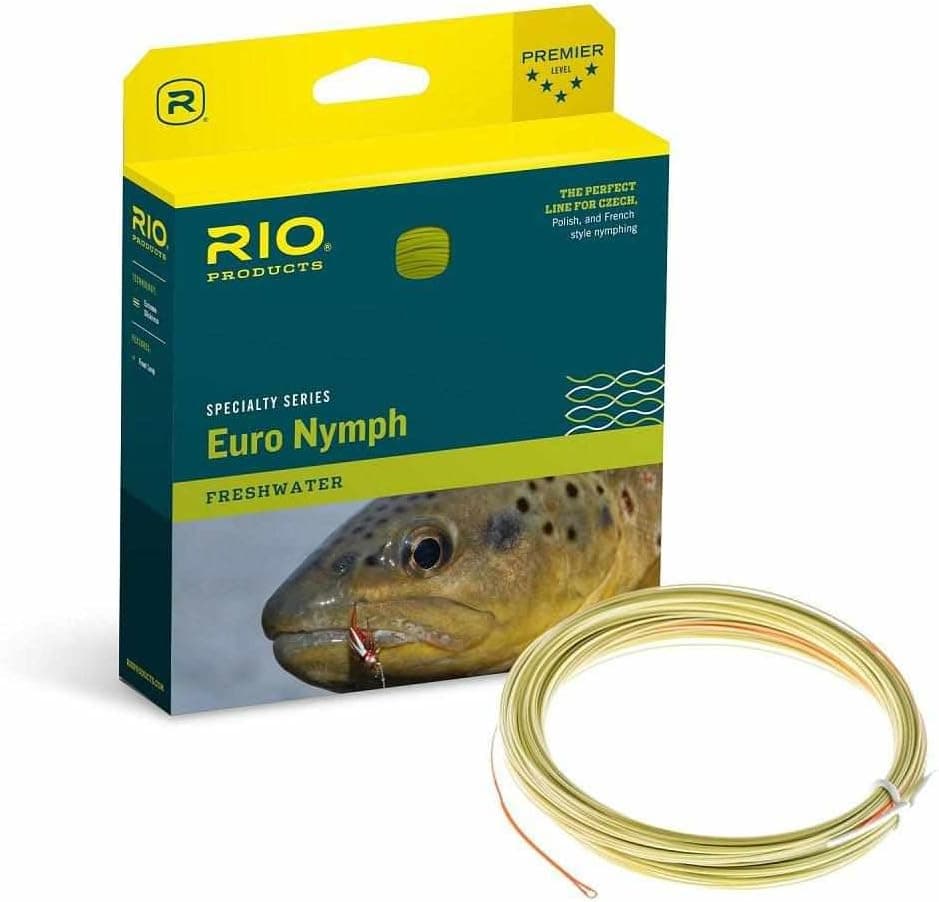
+ FIPS design meets competition rules for euro nymphing lines
From our guide: Best Euro Nymph Lines: Thin Lines for Tight-Line Control
Popular right now
- Dry Fly vs Nymph vs StreamerArticle
- The Best Waterproof Fly BoxesBuying guide
- The Best Chest Packs for Fly FishingBuying guide
- Best Wader Repair KitsBuying guide
- Fly Fishing Etiquette on Crowded WaterArticle
- Best Fly Rod Combos: Ready-to-Fish Setups That Actually BalanceBuying guide
Based on the last 28 days of search and visitor data.