Catch and Release Done Right
Published How we research
Catch and release only conserves fisheries when the fish actually survives, and survival is decided by dozens of small choices anglers make between hookset and release. The difference between a trout that darts away strong and one that drifts belly-up downstream usually is not luck. It is fight time, air exposure, handling, and water temperature, all of which are within your control. Doing it right costs almost nothing and quickly becomes habit.
The fight is the first factor. Landing a fish quickly matters more than playing it gently, because every extra minute of struggle builds lactic acid and exhaustion that fish may not recover from, especially in warm water. Use tippet stout enough to apply real pressure rather than the lightest thread you can get away with, keep the rod bent with side pressure to steer the fish, and get it to the net while it still has energy. A fish landed in ninety seconds and released promptly is far better off than one revived for ten minutes after a heroic battle on gossamer tippet.
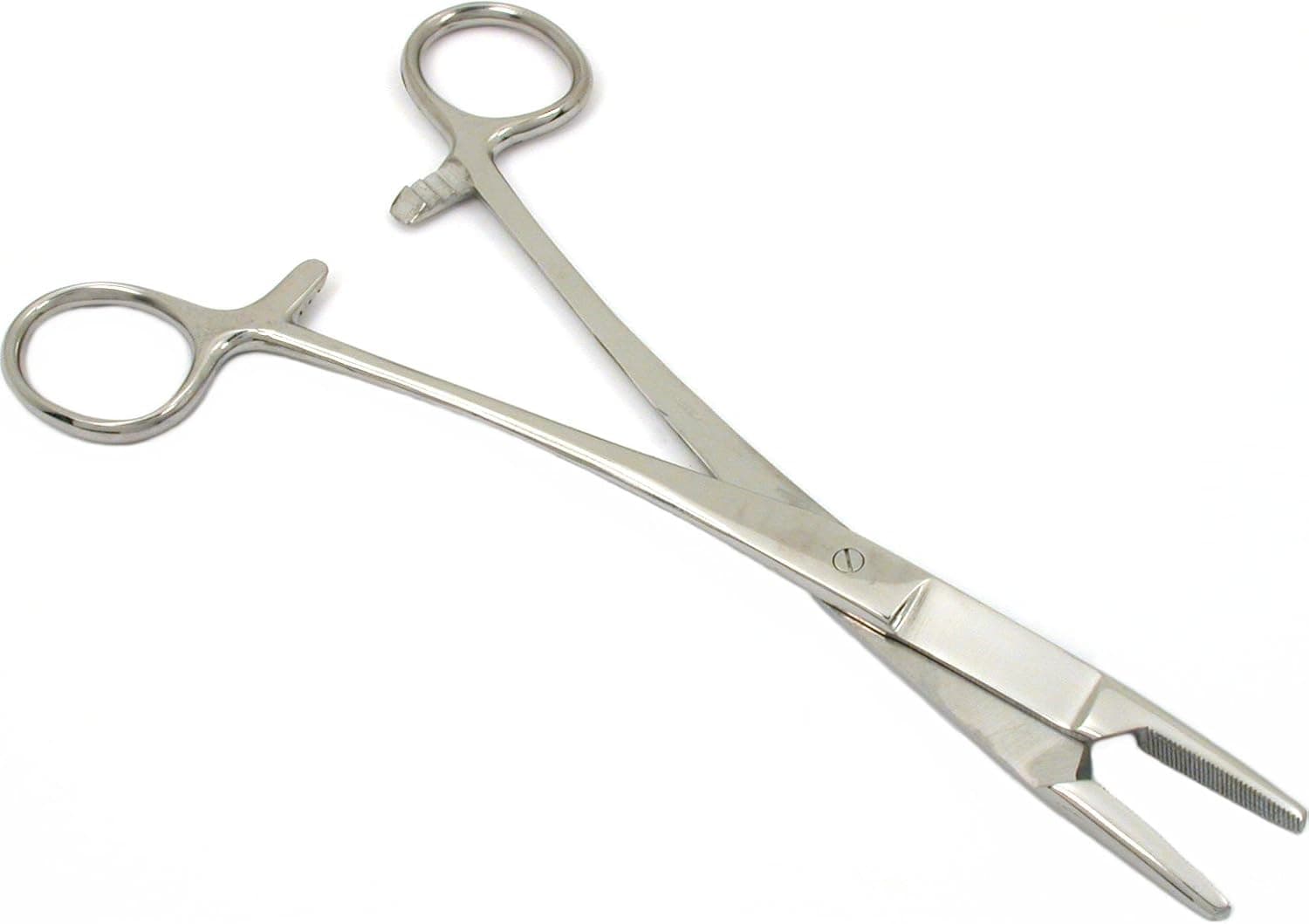
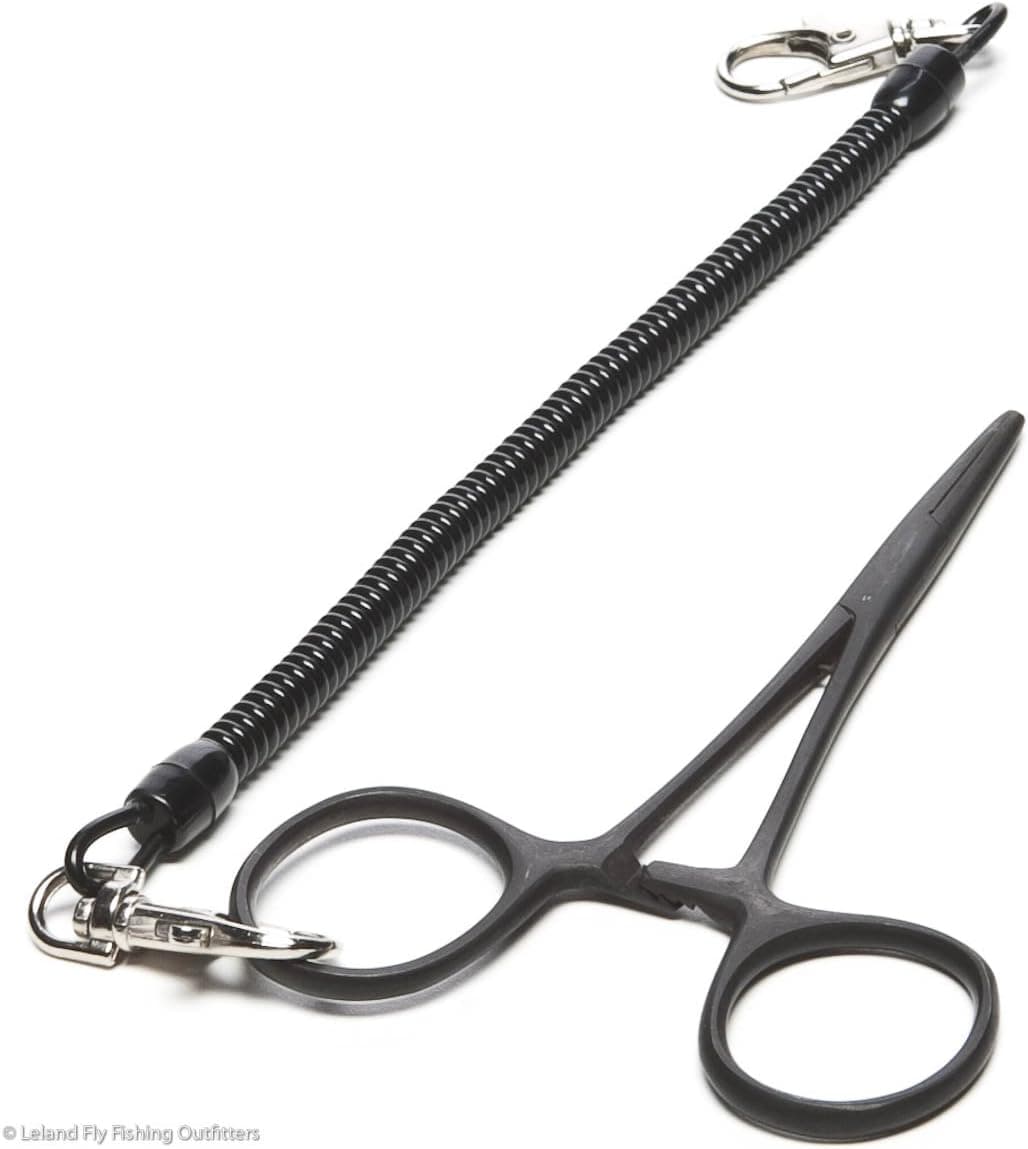
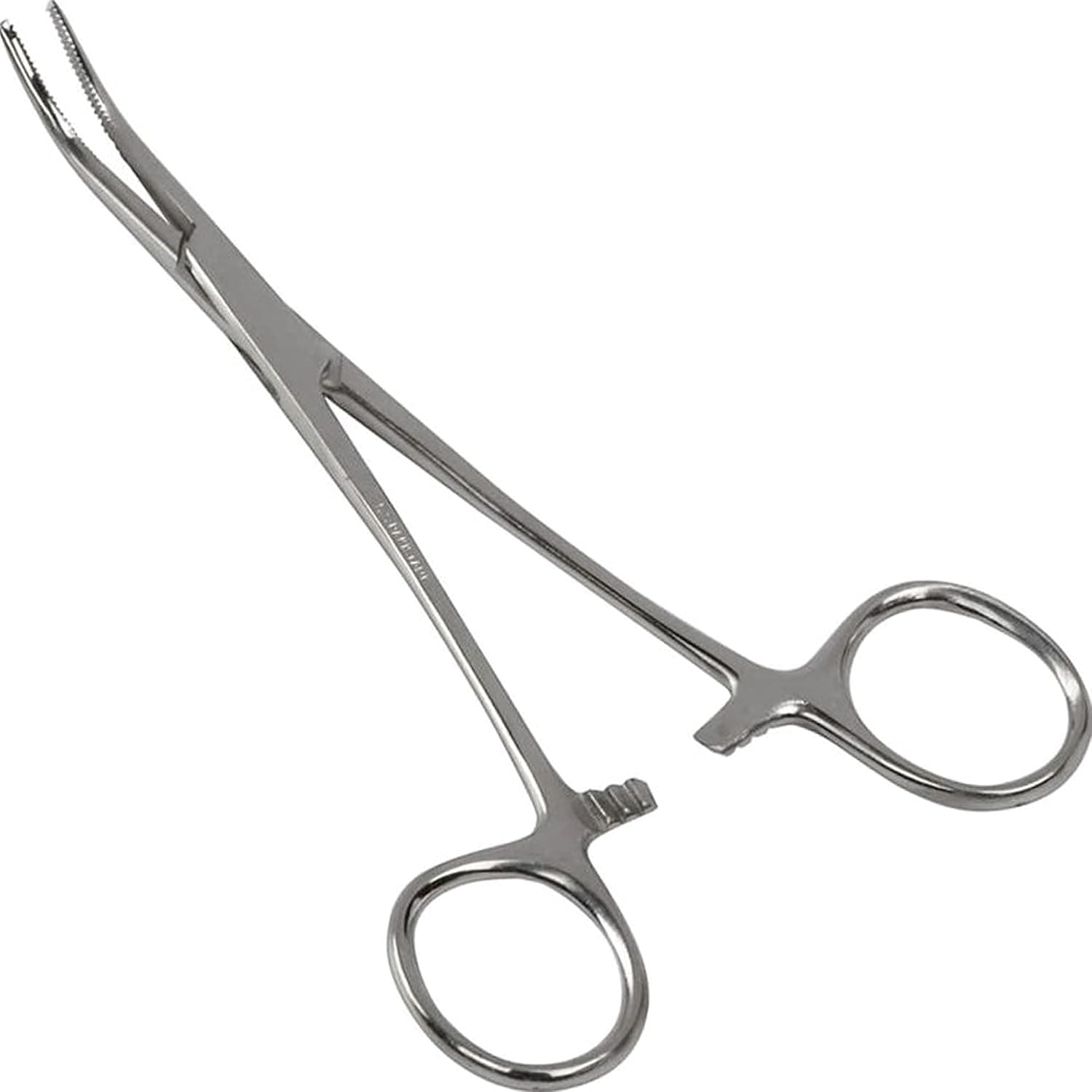
Gear choices tilt the odds before you ever hook a fish. Pinch your barbs or buy barbless hooks: penetration improves, unhooking takes seconds instead of a wrestling match, and the fish spends less time in hand. Use a net with a rubber or rubber-coated bag, which protects the mucus layer, the slime coat, that shields fish from infection; old knotted nylon bags scrape it off. Carry forceps or a hook release tool where you can reach them with one hand, so a deep or awkward hook comes out fast. If a fish is hooked deep in the gullet, cut the tippet close and release it; fish shed hooks surprisingly well, and digging for one causes far more damage than leaving it.
Handling is where most harm happens. Keep the fish in the water, in the net, while you ready camera or forceps: a useful rule is to hold your own breath whenever the fish is out of the water, and get it back under before you need air. Wet your hands before any contact, never touch the gills or squeeze the belly, and hold fish gently, one hand cradling the tail wrist and the other under the pectoral fins. Never hang a trout vertically by the jaw or lift it high over rocks; a dropped fish on dry cobble often takes fatal internal damage even if it swims off. For photos, frame the shot first, then lift the fish just above the water for a second or two, and accept that the best fish pictures are taken low, wet, and quickly, ideally with the fish half in the water.
Water temperature is the veto that overrides good technique. Trout are cold-water animals, and as water climbs above roughly 67 to 68 degrees Fahrenheit, dissolved oxygen drops and released fish begin dying even when handled perfectly. Carry a small thermometer in summer, fish early mornings when the water is coolest, and when temperatures cross the line, stop trout fishing entirely for the day; chase bass or carp instead, which tolerate warm water far better. Many rivers post hoot-owl restrictions in hot spells for exactly this reason, and honoring the spirit of them, not just the letter, is part of the deal.
Release the fish where it can recover: slower, oxygenated water near the bank, not the heavy current mid-river. Hold it loosely facing upstream and let it breathe; do not saw it back and forth, which forces water backward through the gills. When it kicks, open your hands and let it choose the moment. Watch it go. If it wobbles or rolls, recapture it gently and give it more time. A fishery is nothing more than the sum of these small mercies repeated by thousands of anglers, and the fish you release well is the one someone's kid catches next season.
Products from this article
The highest-scoring picks from the buying guides mentioned above. Scores are our editorial assessment, not customer ratings.
+ Dr. Slick is a trusted name in fly fishing tools
From our guide: The Best Forceps and Hemostats for Fly Fishing
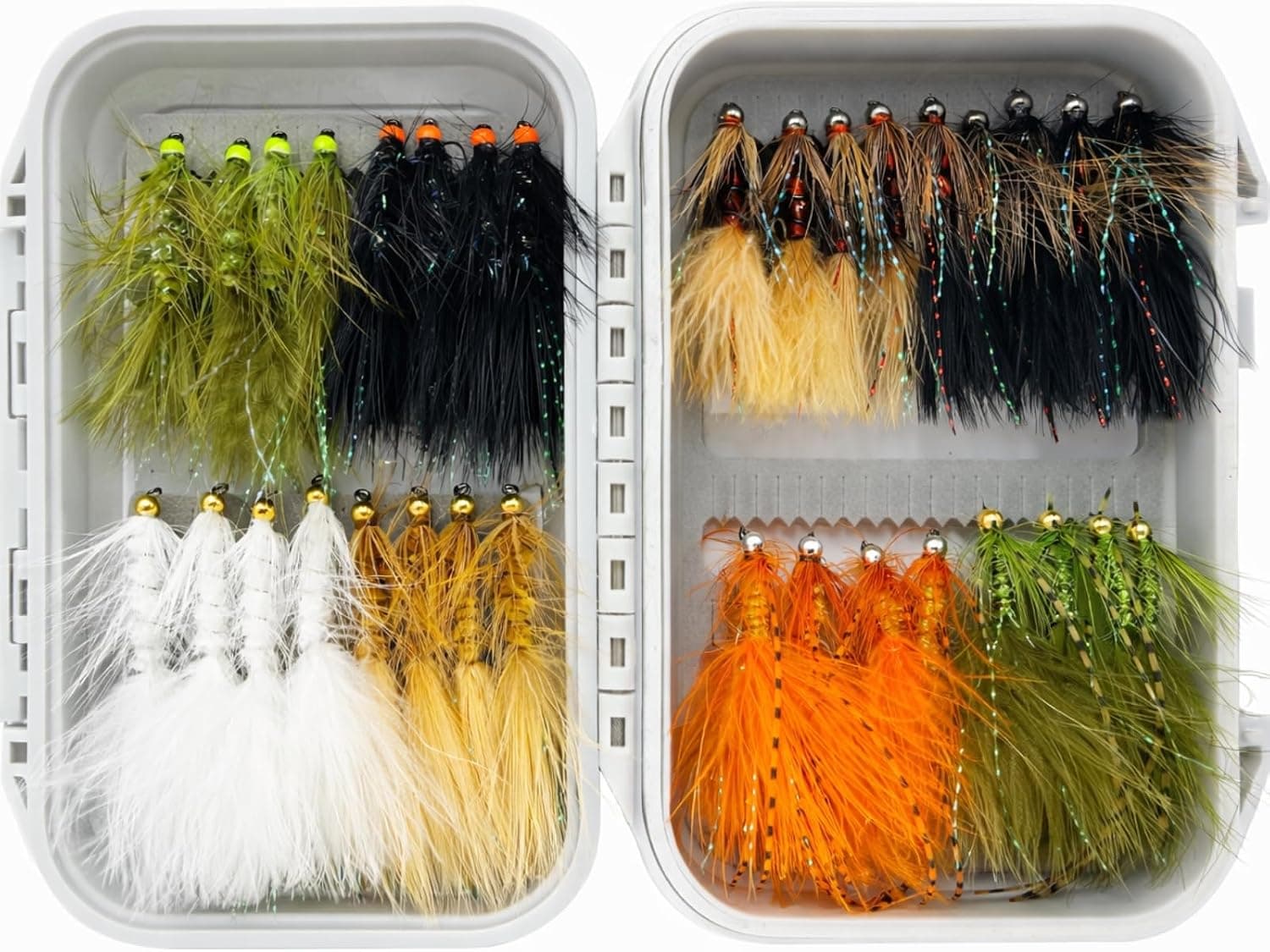
+ 8 colors let you match water clarity and baitfish tones
From our guide: Best Streamer Selections
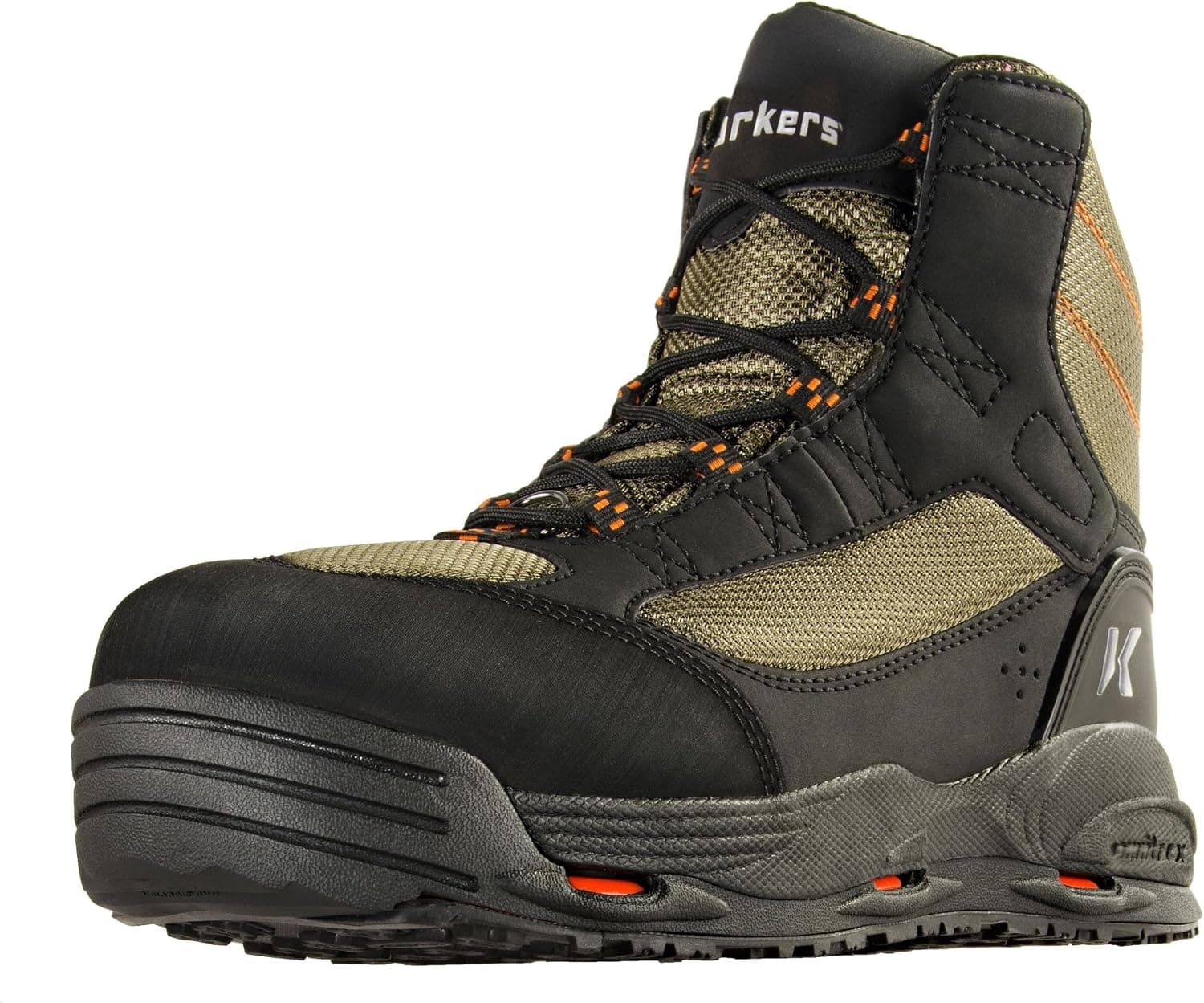
+ Studded Kling-On sole grips slick rocks without felt
From our guide: Best Rubber Sole Wading Boots
+ Straight and curved pair covers different hook positions
From our guide: The Best Forceps and Hemostats for Fly Fishing
Popular right now
- Dry Fly vs Nymph vs StreamerArticle
- The Best Waterproof Fly BoxesBuying guide
- The Best Chest Packs for Fly FishingBuying guide
- Best Wader Repair KitsBuying guide
- Fly Fishing Etiquette on Crowded WaterArticle
- Best Fly Rod Combos: Ready-to-Fish Setups That Actually BalanceBuying guide
Based on the last 28 days of search and visitor data.