Bass on the Fly
Published How we research
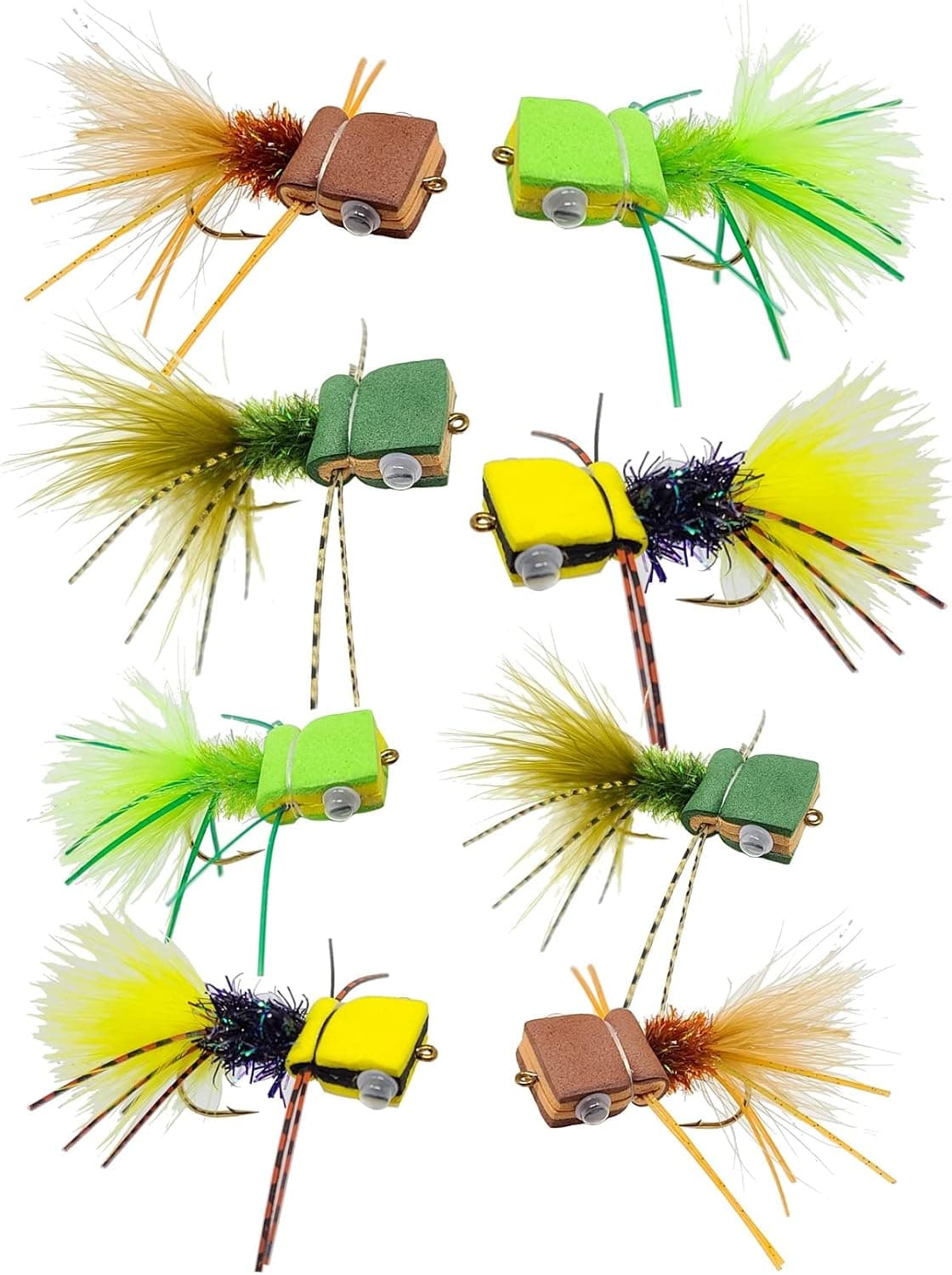
Bass are the great overlooked opportunity in fly fishing. While anglers drive hours past good bass water to reach crowded trout streams, largemouth and smallmouth live in ponds, lakes, and rivers within minutes of most people's homes, eat flies aggressively, fight hard, and are gloriously forgiving of imperfect presentation. If your trout water is far away, blown out, or too warm to fish ethically in summer, bass are not a consolation prize. They are a whole second sport with the same rod hand.
Gear up slightly heavier than trout tackle. A 9 foot rod in a 7 or 8 weight is the bass standard, with enough backbone to cast big, wind-resistant flies and pull fish away from cover; a 6 weight handles smaller flies and panfish-sized bass water. Overline or use a bass-specific taper with an aggressive front end, because the whole casting problem in bass fishing is turning over air-resistant bugs. Leaders are short and stout, 7.5 feet tapering to 8 to 12 pound tippet, since bass are not leader shy and you will be dragging flies past logs. The reel matters little; bass fights are about the first ten violent seconds, not long runs.
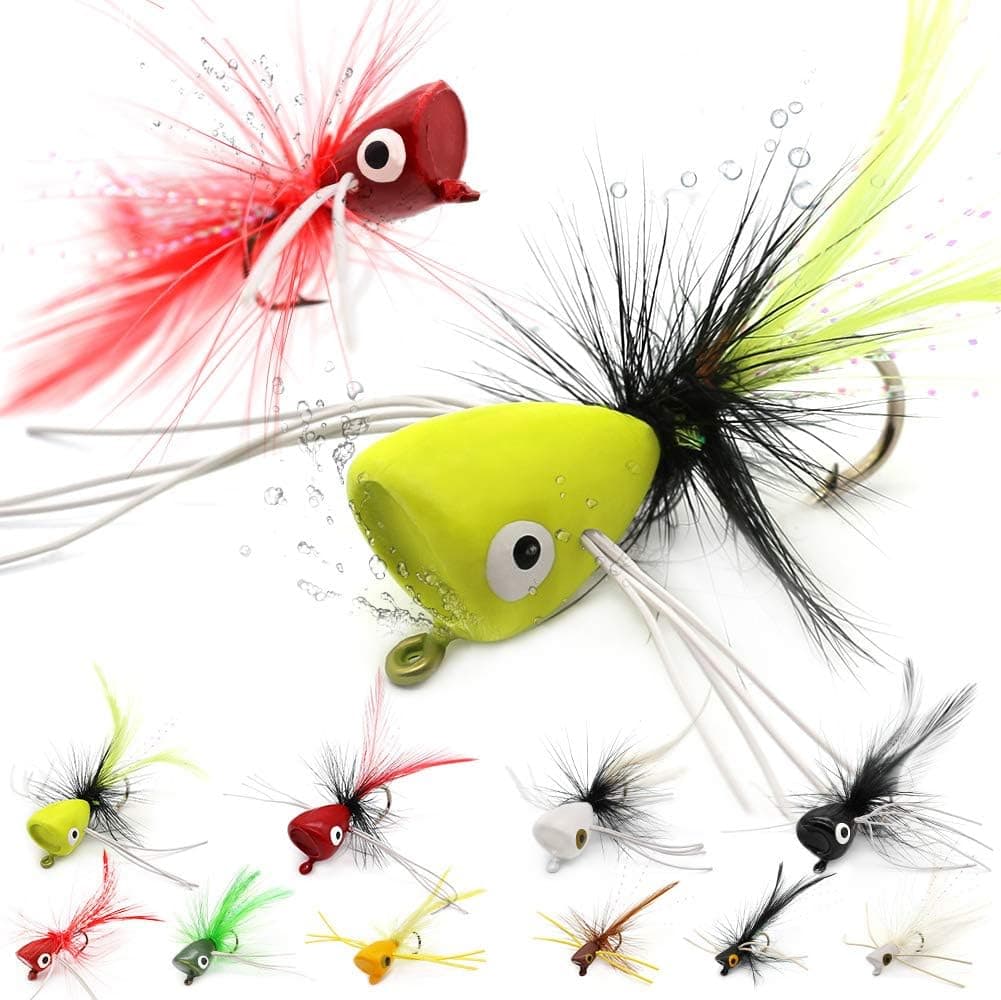
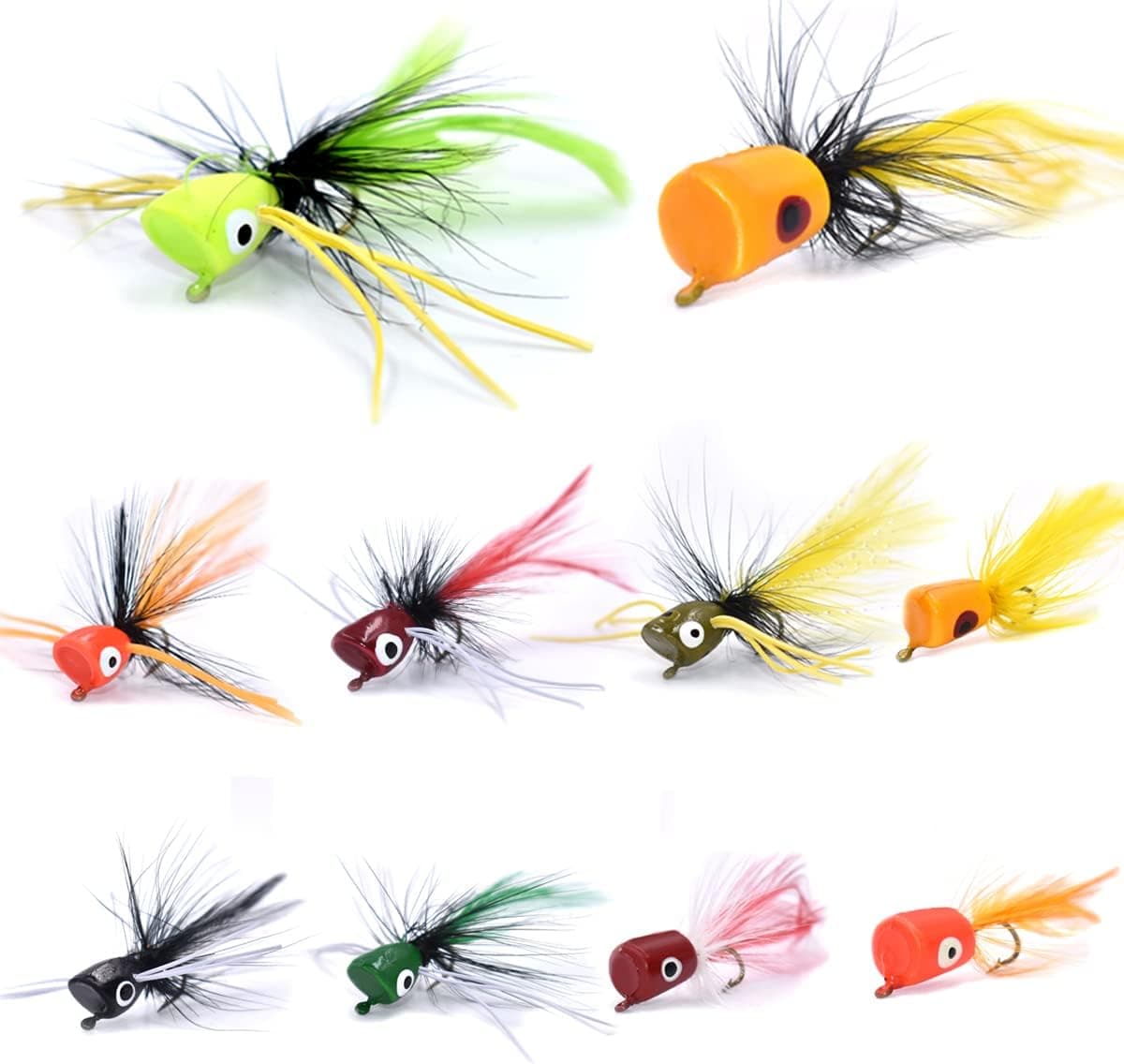
The topwater popper is the soul of bass fly fishing. Cast it tight to cover, a lily pad edge, a dock shadow, a fallen tree, and then do the hardest thing in the sport: nothing. Let the rings dissolve completely. Then give it a single pop and wait again. That pause is when most strikes come, and the surface explosion of a largemouth engulfing a popper is worth the price of the entire outfit. Early morning, evening, and cloudy days are prime topwater windows. When fish will not come up, sliders and divers split the difference between surface and subsurface.
Below the surface, bass eat streamers with enthusiasm. Woolly Buggers, Clouser Minnows, and crayfish patterns cover most situations: the Clouser rides hook-up through rocks, and crayfish patterns crawled along the bottom are deadly for smallmouth in rivers. Vary the retrieve until the fish vote, from slow strips with long pauses in cold water to fast erratic bursts in summer. Fish structure obsessively, because bass are ambush predators that relate to cover the way trout relate to seams: every dock piling, weed edge, rock pile, and channel drop deserves a cast. Use a strip set, pulling the line hard with your stripping hand rather than lifting the rod, a habit that will also serve you on every saltwater trip you ever take.
Seasons drive location. In spring, bass move shallow to spawn and prowl warming flats and coves. Summer pushes fish to shade, depth, and low-light hours, with dawn topwater the reliable highlight. Fall scatters bait and bass chase it, making streamers on wind-blown banks excellent. Winter slows everything; fish deep, slow, and small, or take the season off and tie flies. Smallmouth rivers deserve special mention: they fish like trout streams, with seams and pockets and drifts, except the fish average bigger, fight harder for their size, and eat a swung crayfish like they are angry at it.
Bass also make superb teachers. New fly casters learn faster on bluegill and bass ponds than on technical trout water, because fish are plentiful, takes are decisive, and nobody is measuring your drift. The visual game of casting at targets sharpens accuracy in a way lawn practice never will. Keep a 7 weight strung up by the door, find the nearest pond, and steal an hour at dusk. The fish that smashes your popper in the dark will not care that you think of yourself as a trout angler.
Products from this article
The highest-scoring picks from the buying guides mentioned above. Scores are our editorial assessment, not customer ratings.
+ 3 sizes let you target panfish or larger bass
From our guide: Best Bass and Panfish Flies
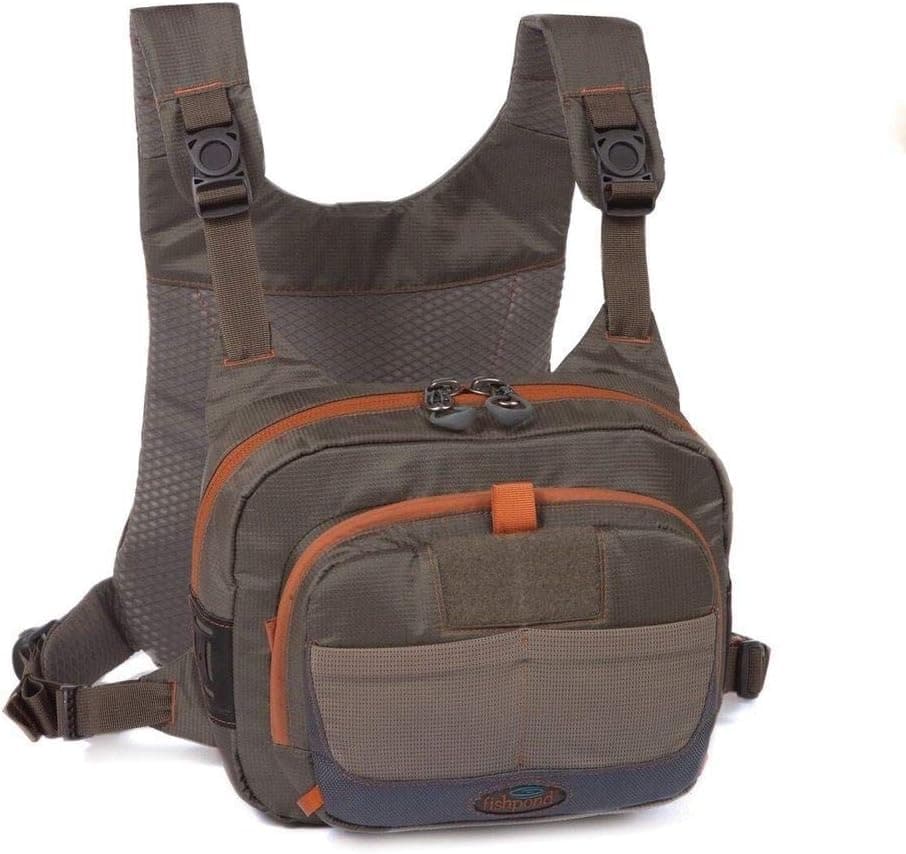
+ Low-profile design keeps gear close without blocking casting
From our guide: The Best Chest Packs for Fly Fishing
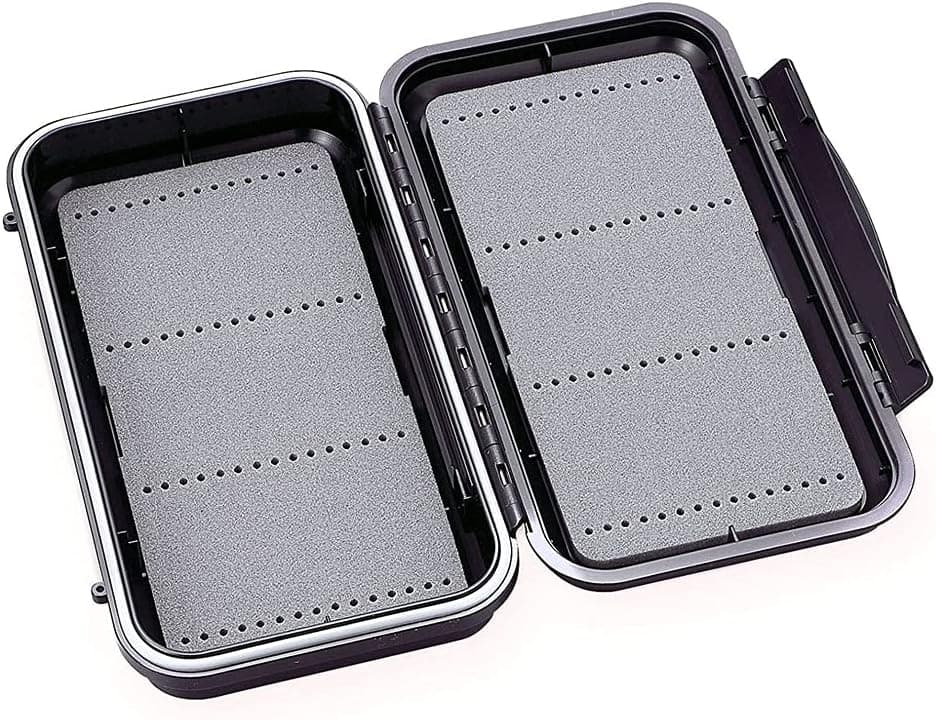
+ Micro slit foam holds flies firmly without damaging hackle
From our guide: Best Fly Fishing Gear Storage
+ Foam bodies float high and are durable against sharp teeth
From our guide: Best Bass and Panfish Flies
Popular right now
- Dry Fly vs Nymph vs StreamerArticle
- The Best Waterproof Fly BoxesBuying guide
- The Best Chest Packs for Fly FishingBuying guide
- Best Wader Repair KitsBuying guide
- Fly Fishing Etiquette on Crowded WaterArticle
- Best Fly Rod Combos: Ready-to-Fish Setups That Actually BalanceBuying guide
Based on the last 28 days of search and visitor data.