Surgeon's Knot vs Blood Knot: Which One to Tie, and When
Published How we research
Tie the surgeon's knot when you are on the water and need a fast, forgiving join, and the blood knot when you are at the bench building a leader or fishing flat, clear water where a slim, straight knot matters. Both join two pieces of monofilament or fluorocarbon, both hold well when tied correctly, and the real difference is how long they take, how they cope with mismatched diameters and what the finished knot looks like. This article sets them side by side and walks through each one.
Products from this article
The highest-scoring picks from the buying guides this article links to. Scores are our editorial assessment, not customer ratings.
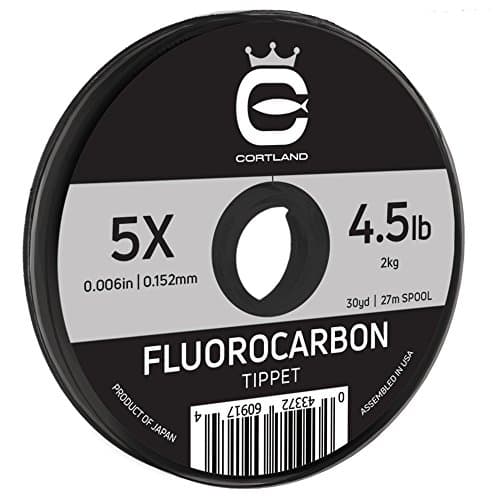
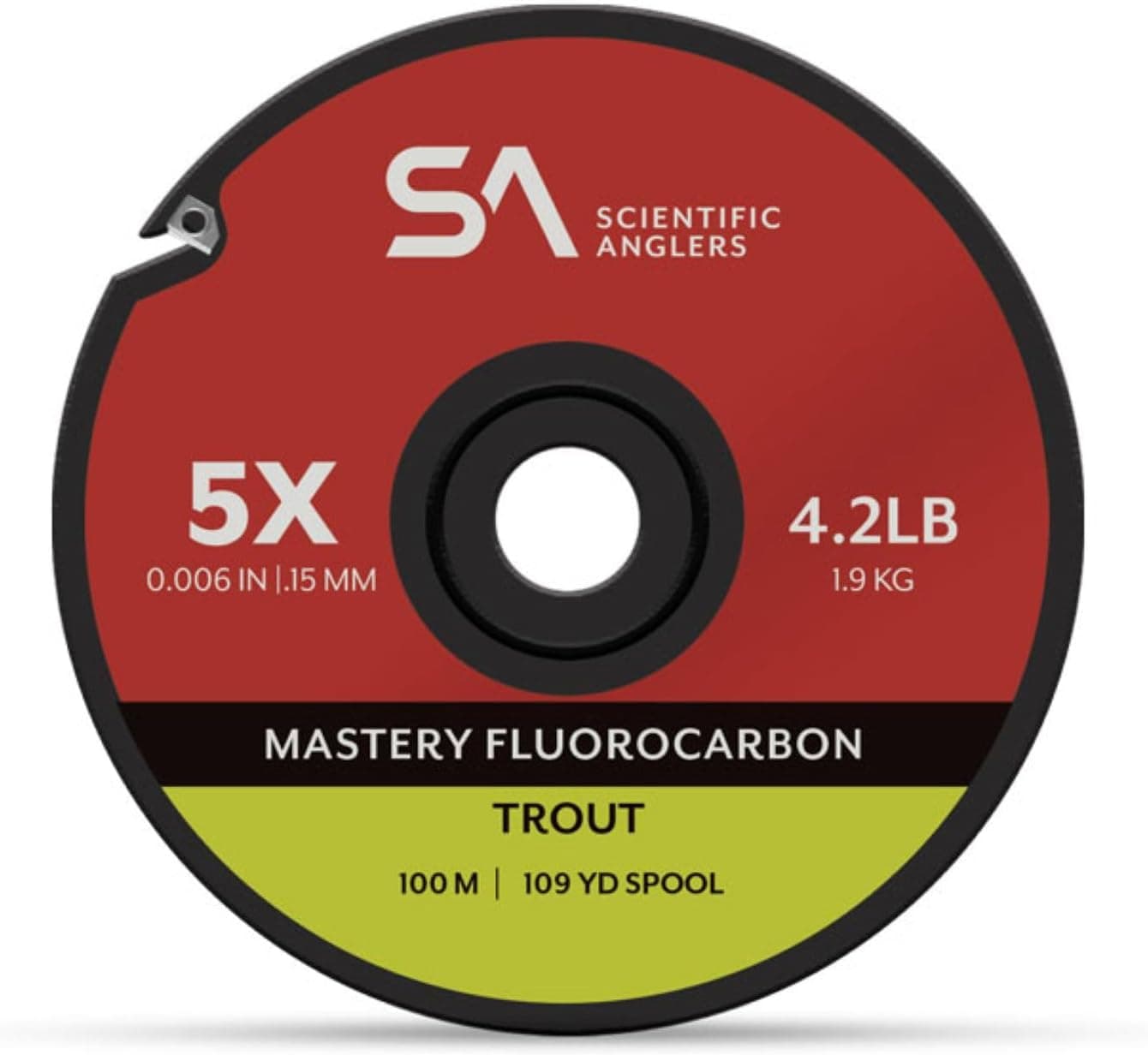
+ 100M guide spool lasts far longer than standard small tippet spools
From our guide: Best Tippet: Spools Worth Trusting Your Fish To
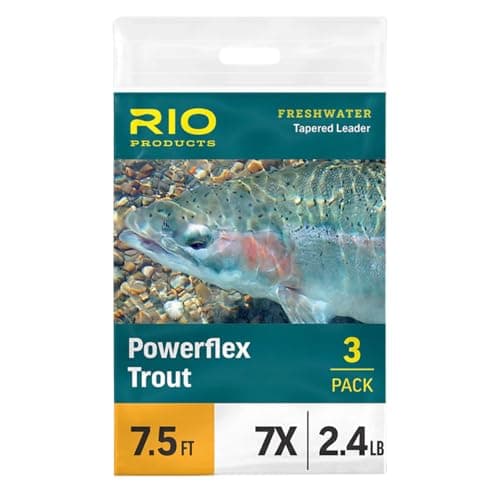
+ Copolymer construction balances strength, abrasion resistance and controlled stretch.
From our guide: Best Tapered Leaders: Smooth Turnover from Line to Fly
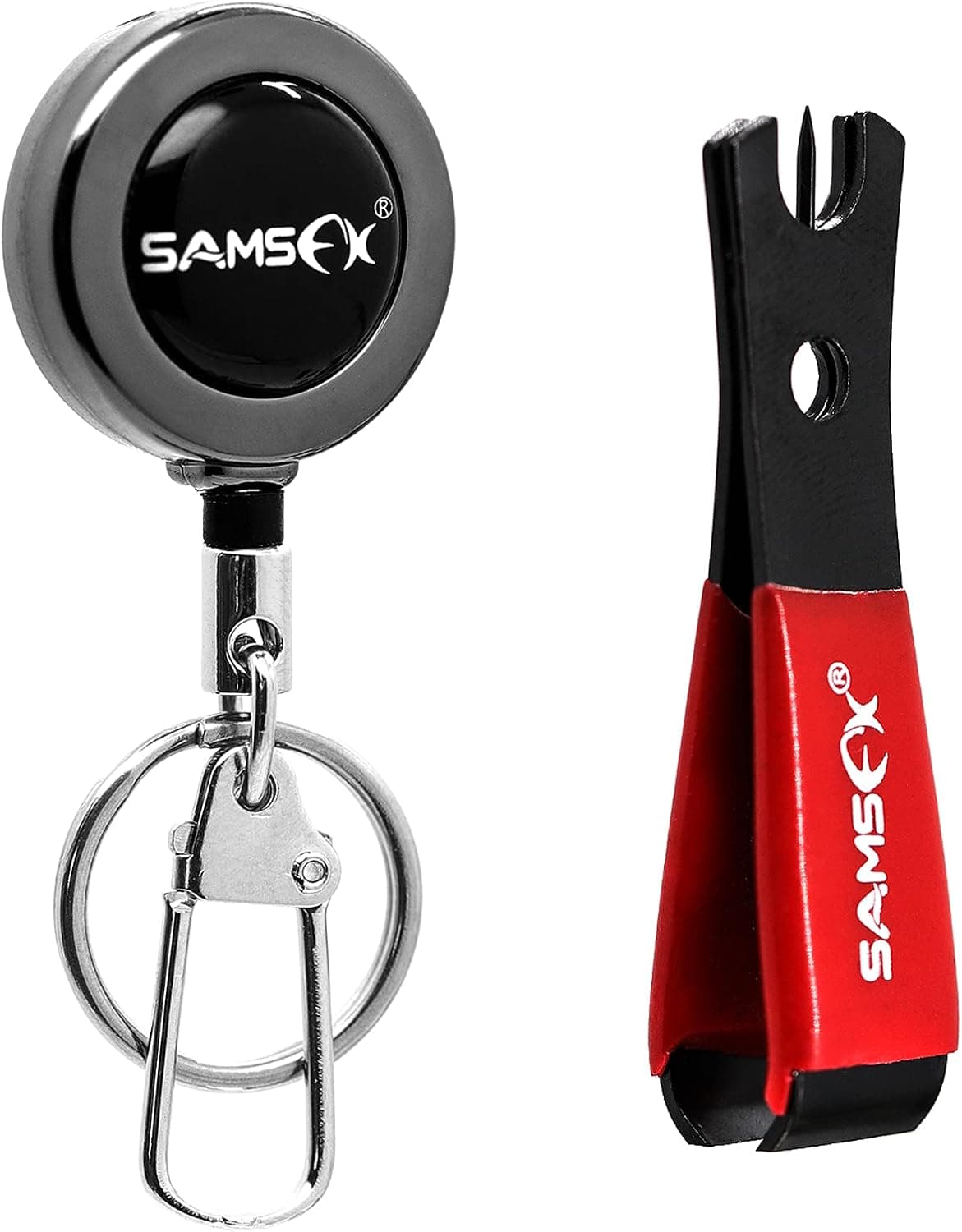
+ Zinger retractors keep nippers attached and always in reach
From our guide: The Best Nippers and Clippers for Fly Fishing
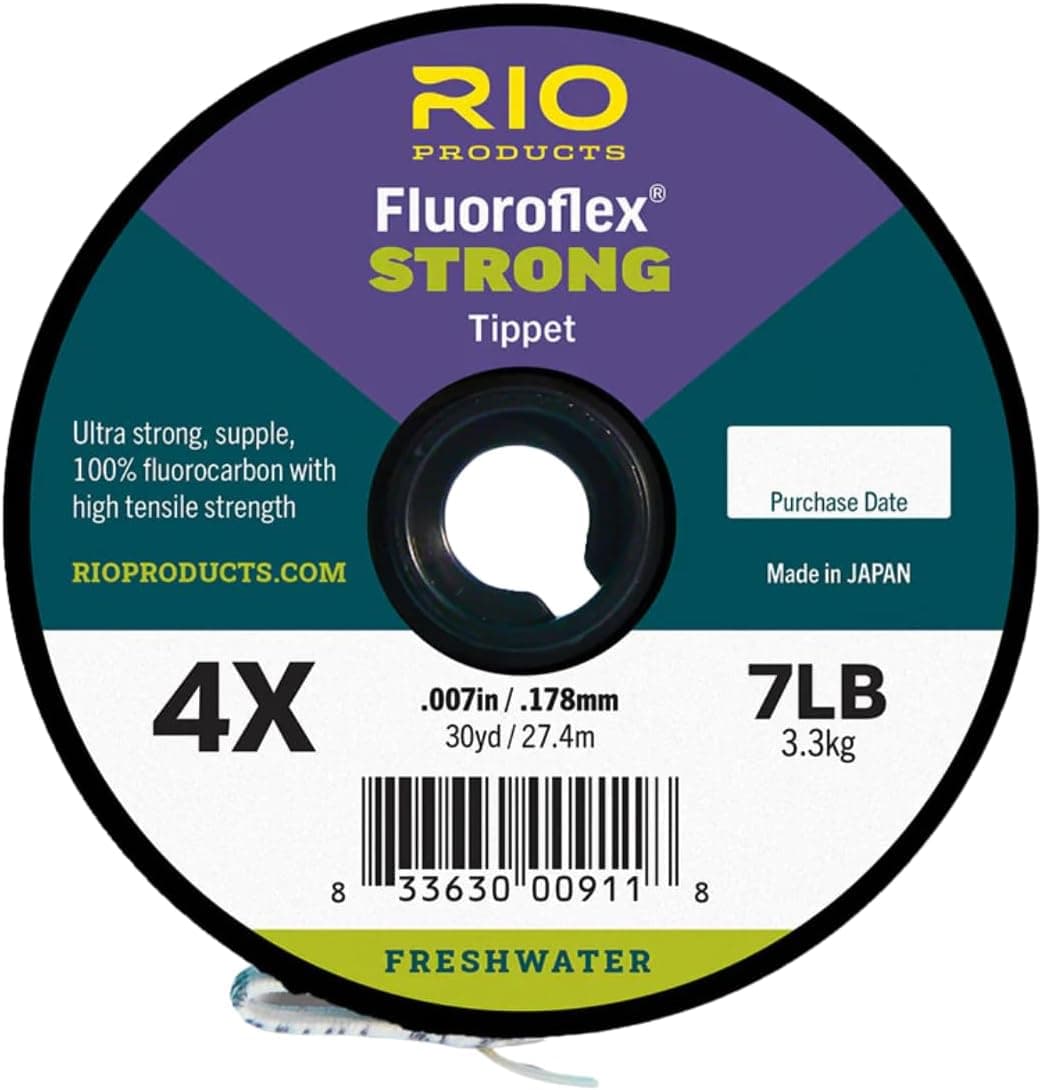
+ Strong formula gives extra breaking strength for its diameter
From our guide: Best Tippet: Spools Worth Trusting Your Fish To
The short answer
For leader to tippet changes during a day of fishing, the surgeon's knot is the practical choice. It is an overhand knot tied with the two lines lying side by side, so there is no counting of wraps and no need to hold small turns in place with cold fingers. You can tie it in well under a minute, and it stays dependable when the two pieces differ in diameter, which is what happens every time you add a new section of tippet to a leader that has been cut back.
The blood knot is the traditional answer for joining lines of similar diameter when appearance counts. The two tag ends point away from each other and lie almost flat against the leader, so the knot is slim and balanced and tends to slide through guides and across the surface with less disturbance. It takes longer, it is harder to tie in fine tippet, and it is less tolerant of lines of very different sizes. Most anglers learn both, then use the surgeon's knot for about nine joins in ten.
How to tie a surgeon's knot
Lay the end of your leader and the end of the new tippet side by side so they overlap by about 6 inches, pointing in opposite directions. Hold the overlap between thumb and forefinger. Form a loop in the doubled lines and pass the leader tag and the tippet tag together through the loop, as if tying a single overhand knot with two strands as one.
Pass both ends through the loop a second time, which gives you a double overhand. For slick fluorocarbon or stiff, heavy monofilament, add a third pass, often called a triple surgeon's knot, because slick material can slip with only two. Wet the knot with water or saliva, then pull all four ends slowly and evenly until the knot seats snug. Trim both tags close, leaving about one-eighth of an inch.
A surgeon's knot leaves two tags on each side of the knot, and they sit at an angle to the line. Trim them as short as you can without cutting into the knot. For lines that differ a lot in diameter, keep the sections within one or two X sizes of each other: stepping from 3X to 6X in one jump is where any knot becomes unreliable. If you need more steps than that, add an intermediate section.
How to tie a blood knot
Overlap the two pieces by about 6 inches, pointing in opposite directions. Wrap the tag end of one piece around the other piece five times for typical trout tippet, then bring the tag back between the two lines at the point where you started. Hold the first set of turns with your fingers so they do not unwind. Repeat with the second piece, wrapping in the opposite direction another five times and bringing its tag back through the same gap, but from the opposite side.
The two tags now pass through the central gap in opposite directions. Wet the knot and pull both standing lines slowly. The turns should gather and roll together into two tight barrels. If the knot looks messy with crossed turns, it will fail, so cut it off and start again. Trim the tags close. With heavier, stiffer material use fewer turns, around three or four per side, and with fine tippet use more, up to seven.
The weak point of the blood knot is the tying itself. Holding ten turns steady in 6X tippet at dusk is a test of patience, and a misseated knot can break at a fraction of the line's rated strength. This is why many anglers reserve it for building tapered leaders at home, where they can tie it at a table, in good light, and test it before the trip.
Side-by-side comparison
Speed: the surgeon's knot wins by a wide margin. Most anglers can tie it in about 20 seconds once they have practiced; a blood knot in fine tippet takes a minute or more on the water. Mismatched diameters: the surgeon's knot copes better, while the blood knot works best when the two pieces are close in size. Profile: the blood knot is slimmer and straighter, the surgeon's knot is slightly bulkier and has tags that stick out at an angle. Learning curve: surgeon's is easier to learn and easier to tie while wearing gloves or on a boat.
Strength depends far more on how you tie either one than on which you choose. A well-seated, wet and slowly tightened knot of either type holds close to the full strength of the line in the lighter material, while a dry, jerked or crossed knot fails well below it. If a join keeps breaking, look at your technique before blaming the knot, and check that the line is not nicked or aged. Fluorocarbon tippet that has sat for years in a vest pocket is more likely to fail than a knot tied carefully on fresh line.
One practical difference shows up when you fish nymph rigs or droppers. The surgeon's knot is easy to tie with a long tag left on purpose, a common way to attach a dropper fly, as the tag from a surgeon's knot lies to one side. A blood knot can do the same with one tag left long, though the tag points straight along the leader and tangles more easily. Many anglers who build a dropper rig use a surgeon's knot for exactly that reason.
Which knot for which job
Use the surgeon's knot for adding tippet as changing flies shortens the leader, for repairs on the water, for joining mono to fluorocarbon, and for any join between sections of unequal diameter. Use the blood knot for building hand-tied tapered leaders from spools of graduated material, for joins in clear, low, flat water where the extra bulk of a surgeon's knot might spook fish, and for any case where you want a slim join to run through the guides smoothly.
For attaching the fly itself, neither is the right knot. The improved clinch knot is the standard for tippet to fly, and a loop knot is common for streamers. For the leader butt to the fly line, a nail knot or a loop-to-loop connection is used. Those connections are covered in our article on the knots every fly angler needs, and the nail knot has its own walkthrough.
Common mistakes with both knots
Tying dry is the first mistake. Friction from pulling a dry knot tight generates heat that weakens monofilament and fluorocarbon, and a wet knot seats smoother and stronger. The second is pulling too quickly, which can cut the line. Seat the knot with a slow, steady pull, then test it by pulling firmly on each side before you trust it with a fish.
Trimming too close is the third. Leave a small tag, around one-eighth of an inch, rather than cutting flush against the knot, which can nick the standing lines. The fourth is mixing line types that do not suit one another: very stiff material to very soft material makes a knot that does not hold well. Add a turn or two to the knot in that case, or use the triple version of the surgeon's knot.
Frequently asked questions
Is the surgeon's knot stronger than the blood knot? Neither is reliably stronger. When both are tied wet and seated slowly, each retains most of the line's strength, and the weaker material in the join is the limit. The surgeon's knot usually wins in practice because it is easier to tie correctly, especially in fine tippet or poor light.
How many turns should a blood knot have? Five turns per side is the usual number for trout tippet. Use three or four for stiff, heavy material and up to seven for very fine tippet, since finer line needs more turns to grip itself.
Can I join fluorocarbon to nylon with these knots? Yes, and the surgeon's knot is the usual choice. Fluorocarbon is slicker, so add an extra pass through the loop, wet the knot well and seat it slowly.
What if the knot slips? Slipping almost always means the knot was dry, tied with too few turns for the material, or pulled tight too quickly. Retie it wet with an extra turn or pass and tighten slowly.
Popular right now
- Dry Fly vs Nymph vs StreamerArticle
- Best Kids Fly Rods: Short, Tough Setups That Keep It FunBuying guide
- The Best Waterproof Fly BoxesBuying guide
- Best Beginner Fly Rods: Forgiving Rods That Teach a Clean CastBuying guide
- Best Euro Nymph Lines: Thin Lines for Tight-Line ControlBuying guide
- Best Wader Repair KitsBuying guide
Based on the last 28 days of search and visitor data.