Stillwater Fly Fishing
Published How we research
Lakes intimidate river anglers because the current that organizes a river, telling you where fish hold and delivering your fly to them, simply is not there. But stillwaters hold some of the largest trout available to fly anglers, and they grow them fast because lakes typically produce far more food than streams. The anglers who do well on stillwater have learned to replace reading current with reading structure, depth, temperature, and insect behavior. It is a different puzzle, not a harder one.
Location is the first problem, and the answer is that most of a lake is empty. Trout concentrate where food, oxygen, and comfortable temperature overlap, which usually means the shallower zones where light reaches the bottom and insects live: drop-offs where shoals fall into deep water, weed beds, inlet and outlet areas, sunken points and humps, and channels between structure. Early and late season, fish push shallow; in the heat of summer they slide deeper or suspend near the thermocline where temperature and oxygen suit them. Fish the edges of things, the weedline, the drop-off lip, the shadow line, because edges are where lake trout patrol.
Chironomids, the lake version of midges, are the most important stillwater food source almost everywhere, and learning to fish them changes your catch rate more than any other single skill. The standard approach anchors a boat or float tube over 8 to 20 feet of water and suspends a chironomid pupa pattern under an indicator, hanging it within a foot or two of the bottom, where the naturals stage before their slow ascent. Takes are often just a slight dip. It is patient fishing, but during a strong emergence it can be absurdly productive. Depth is the critical variable, so keep adjusting until you find the feeding zone.
When fish are cruising rather than stationed, searching patterns and retrieves come into play. Leeches and Woolly Buggers in black, olive, and maroon are the universal stillwater currency, fished on a slow, hand-twist retrieve with pauses, since most stillwater food moves slowly. Damselfly nymphs matter in early summer, swimming toward shore in wiggling bursts. Scuds graze the weed beds year round. Dry fly opportunities are rarer but memorable: callibaetis mayflies on summer flats, flying ant falls, and evening caddis. Watch for cruising rises and cast well ahead of the fish's direction of travel, leading it like a wing shot rather than casting at the ring.
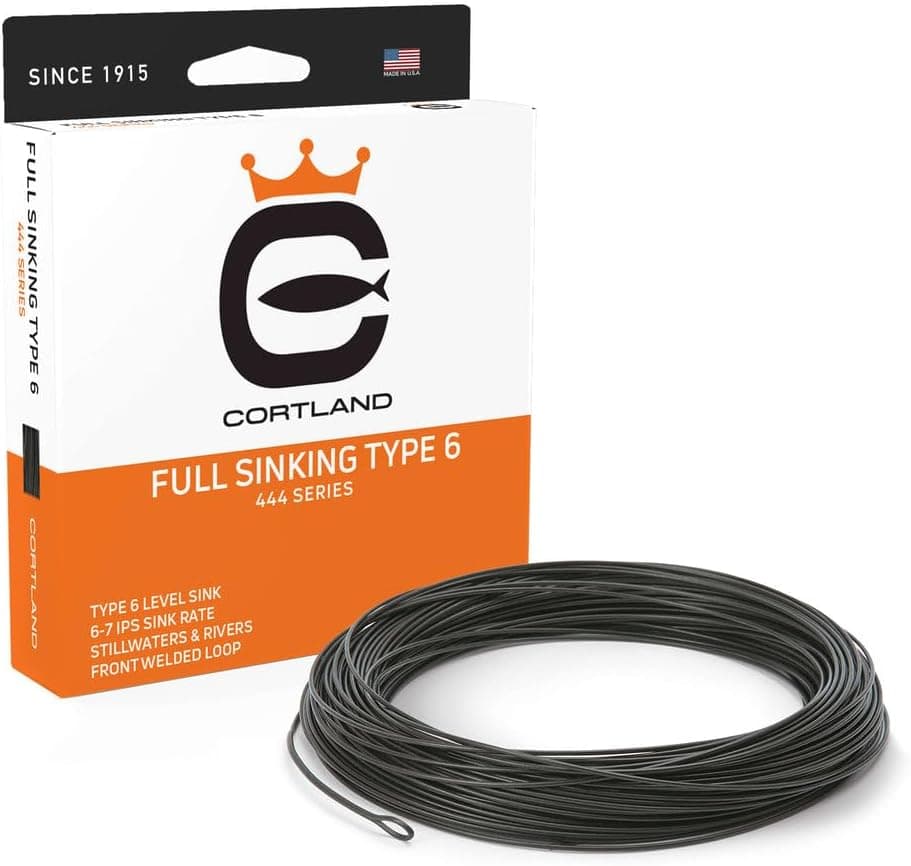
Lines and depth control matter more on lakes than anywhere else. A floating line handles indicator work and dries, but a slow intermediate line may be the most useful stillwater tool ever made, sinking just below the surface chop and keeping a straight connection to slow retrieves. Full sinking lines in various rates take flies to deeper structure and let you count down to the productive depth and repeat it. That habit, counting down, testing depths systematically, and repeating whatever produced, is the core discipline of stillwater fishing. The fish tell you the depth; your job is to keep track.
Wind, the thing everyone curses, is often your ally. Wind pushes surface water, drifting food toward the downwind shore and stacking insects along foam lines and current edges it creates. A chop also breaks up the surface and makes trout bolder in shallow water. Fish the windward side when you can tolerate casting into it, drift with the breeze in a tube or boat to cover water, and treat scum lines as the lake's version of a river seam. Give stillwater a fair chance across a few seasons and you may find the trout that redefine what a big fish means to you.
Products from this article
The highest-scoring picks from the buying guides mentioned above. Scores are our editorial assessment, not customer ratings.
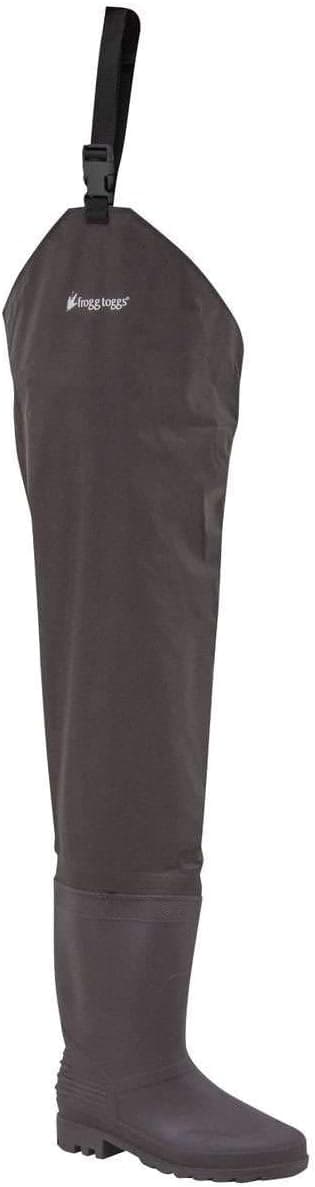
+ Choice of cleated or felt outsole to match your stream bottoms
From our guide: Best Hip Waders
+ Type 6 sink rate gets flies down quickly to deep holding fish
From our guide: Best Sinking Fly Lines: Getting Flies Down Where Fish Hold
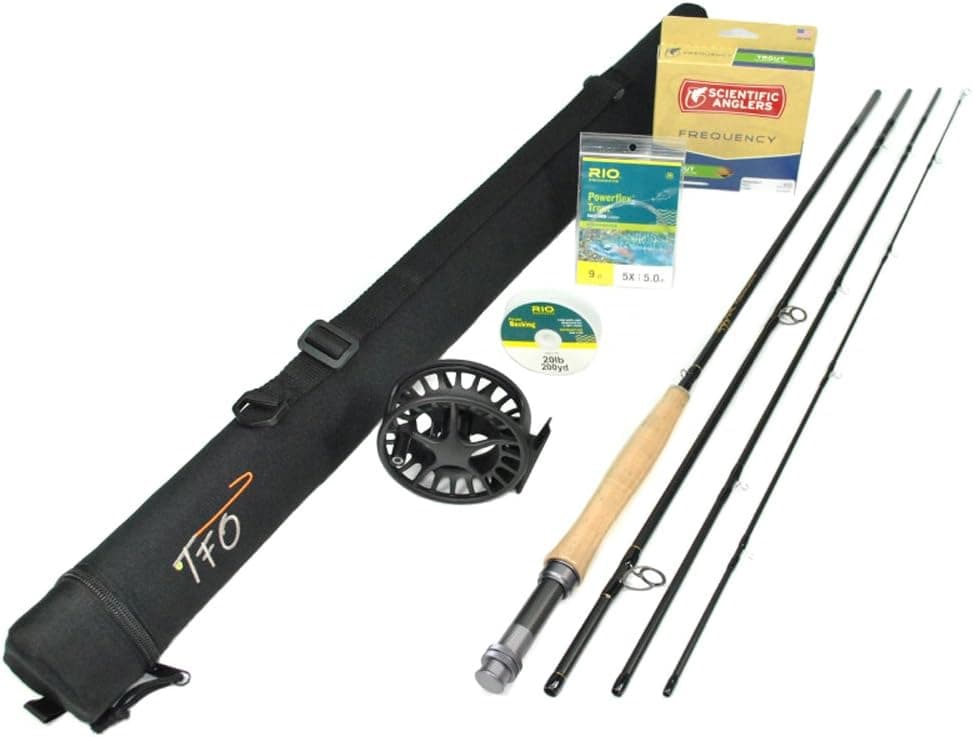
+ Outfit includes reel and line matched to the rod for a balanced setup
From our guide: Best 5-Weight Fly Rods: The One Trout Rod That Does It All
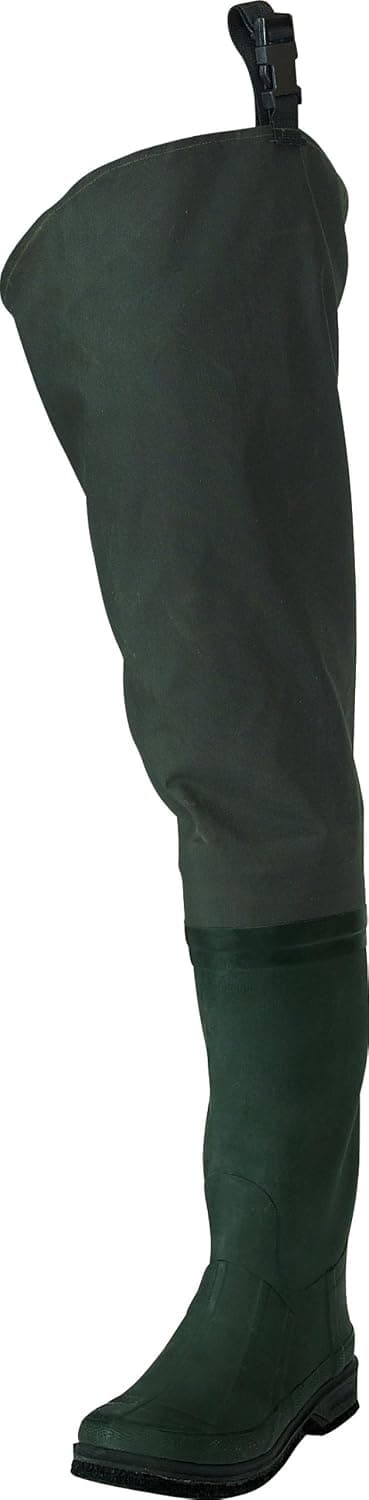
+ Cleated or felt sole options match rocky or muddy bottoms
From our guide: Best Hip Waders
Popular right now
- Dry Fly vs Nymph vs StreamerArticle
- The Best Waterproof Fly BoxesBuying guide
- The Best Chest Packs for Fly FishingBuying guide
- Best Wader Repair KitsBuying guide
- Fly Fishing Etiquette on Crowded WaterArticle
- Best Fly Rod Combos: Ready-to-Fish Setups That Actually BalanceBuying guide
Based on the last 28 days of search and visitor data.