Reading Trout Water
Published How we research
The anglers who consistently catch trout are not usually better casters than everyone else. They are better at deciding where to cast. Trout are predictable animals: they need food, shelter from current, and protection from predators, and they hold in the places where those three needs overlap. Learning to spot those places is called reading water, and it is the highest-value skill in river fishing.
Start by thinking like a trout, which means thinking about energy. A trout that fights heavy current all day burns more calories than it eats, so fish hold in soft water adjacent to fast water. The fast water is the conveyor belt delivering insects; the soft water is the couch the trout sits on while dinner floats past. Every classic lie in a river is some version of this arrangement. When you scan a run, do not look for fish first. Look for the places where fast and slow water meet, visible as lines or wrinkles on the surface. These are seams, and they are the single most reliable trout address in any river.
Riffles are the broken, choppy sections where shallow water tumbles over gravel. They look too shallow to hold fish, and beginners walk right through them. That is a mistake, especially in warmer months. Riffles are insect factories, the broken surface hides trout from birds, and the oxygenated water draws fish when temperatures rise. Fish the soft pockets within a riffle and the smooth water at the head and the tail. A trout in a riffle is usually there to eat, which makes it the most catchable fish in the river.
Pools are the deep, slow sections, and they fish best if you break them into three parts. The head of the pool, where the riffle dumps in, concentrates food in a defined channel and holds actively feeding fish. The middle, or gut, is where the biggest fish often live, hugging the bottom in the deepest water; they are harder to catch but worth targeting early in the morning, in winter, or with streamers. The tailout, where the pool shallows and gathers speed, funnels every drifting insect into a narrow band, and large trout slide into tailouts to feed during hatches. Approach tailouts carefully from downstream, because fish there are shallow, exposed, and nervous.
Structure creates lies wherever it interrupts current. Boulders create a cushion of soft water in front and a pocket behind, and both hold fish. Undercut banks, especially on outside bends where the current digs deep, shelter the largest trout in many streams. Logjams and downed trees offer overhead cover and are worth the flies you will lose to them. Depth changes matter too: a knee-deep flat next to a waist-deep trough will hold its fish in the trough or along the drop-off line, almost never spread across the flat.
Put it together by pausing before you fish any new piece of water. Give it two full minutes. Find the seams, the structure, the depth changes, and the current speed of a walking pace, which is roughly ideal feeding water. Plan the order of your casts so you fish the closest likely water first and do not line the far seam while casting to the near one. Reading water is a skill that compounds: every fish you catch confirms or corrects your guesses, and within a few seasons you will look at a river and see not water, but a map of addresses where trout live.
Products from this article
The highest-scoring picks from the buying guides mentioned above. Scores are our editorial assessment, not customer ratings.
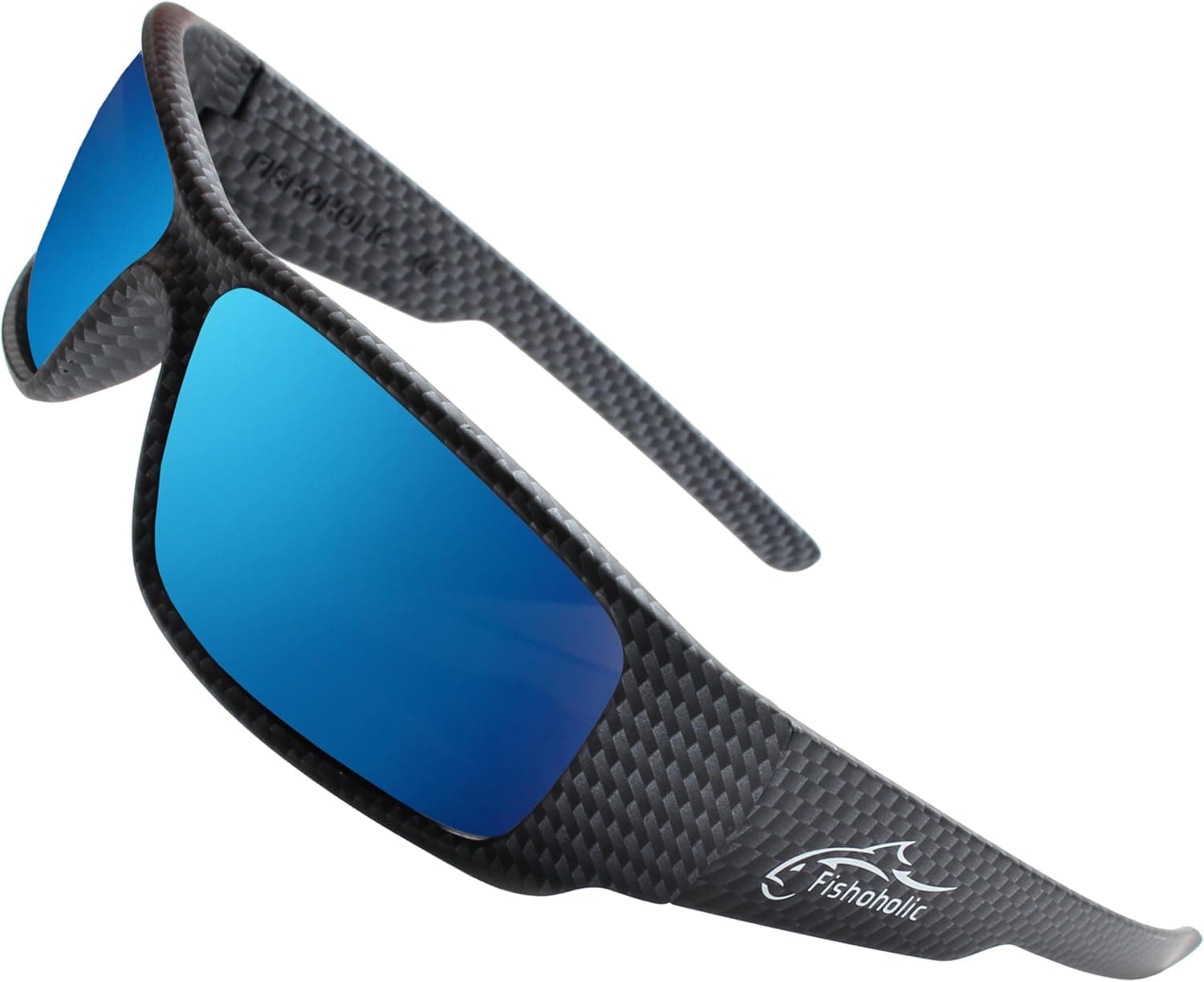
+ Polarized lenses cut surface glare to spot trout and bass
From our guide: The Best Polarized Sunglasses for Fishing
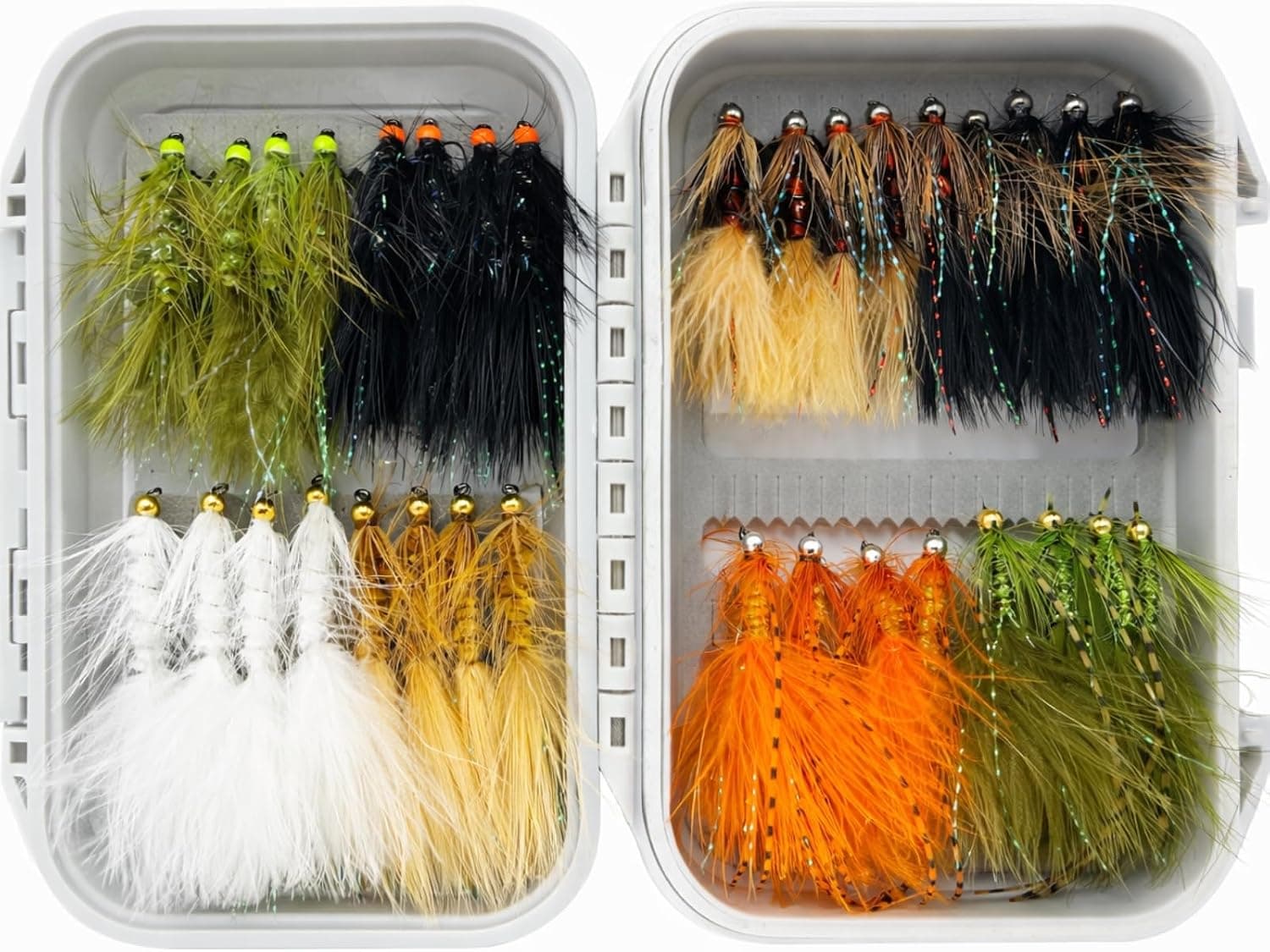
+ 8 colors let you match water clarity and baitfish tones
From our guide: Best Streamer Selections
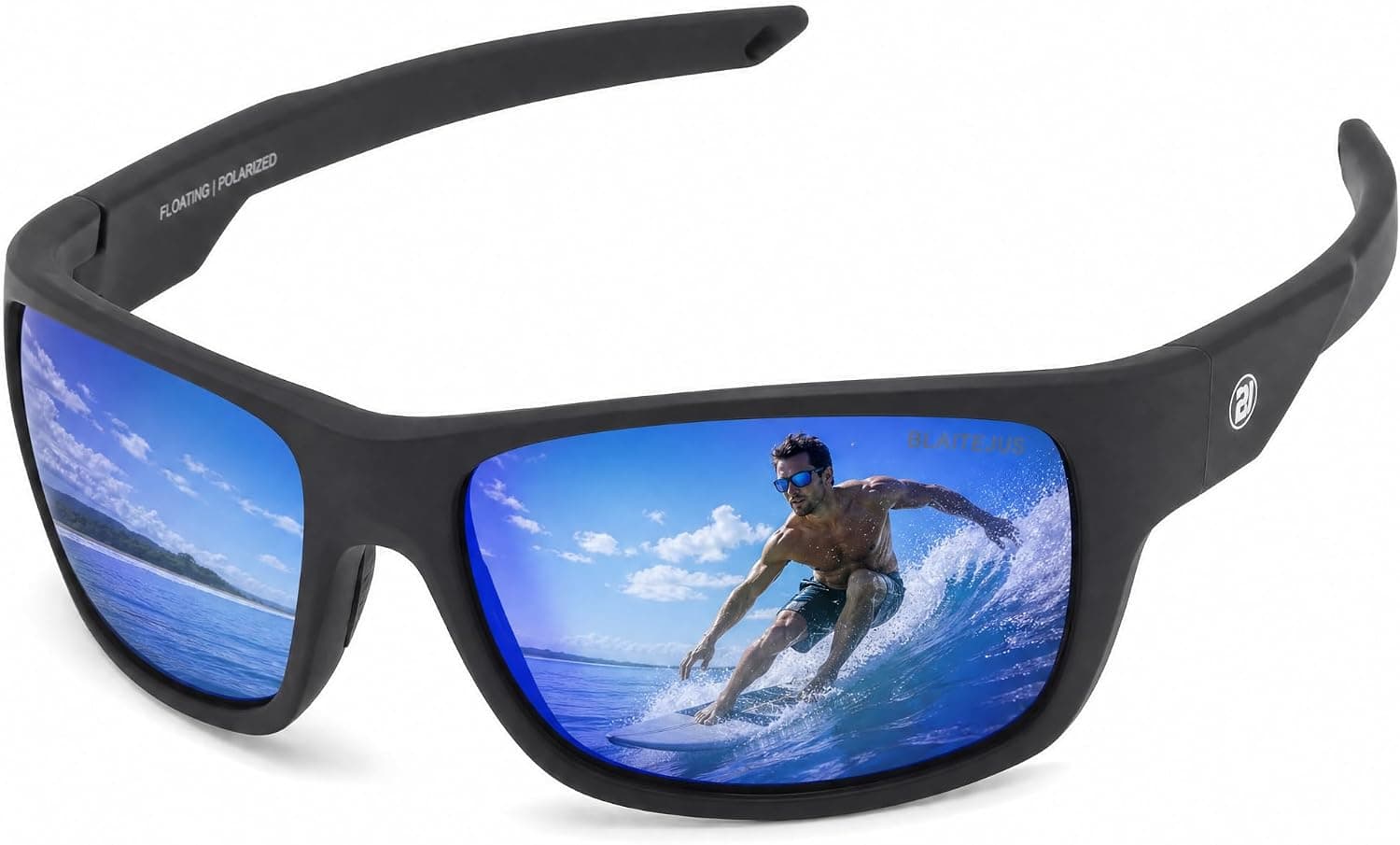
+ TPX buoyant frame floats if the glasses fall in
From our guide: The Best Polarized Sunglasses for Fishing
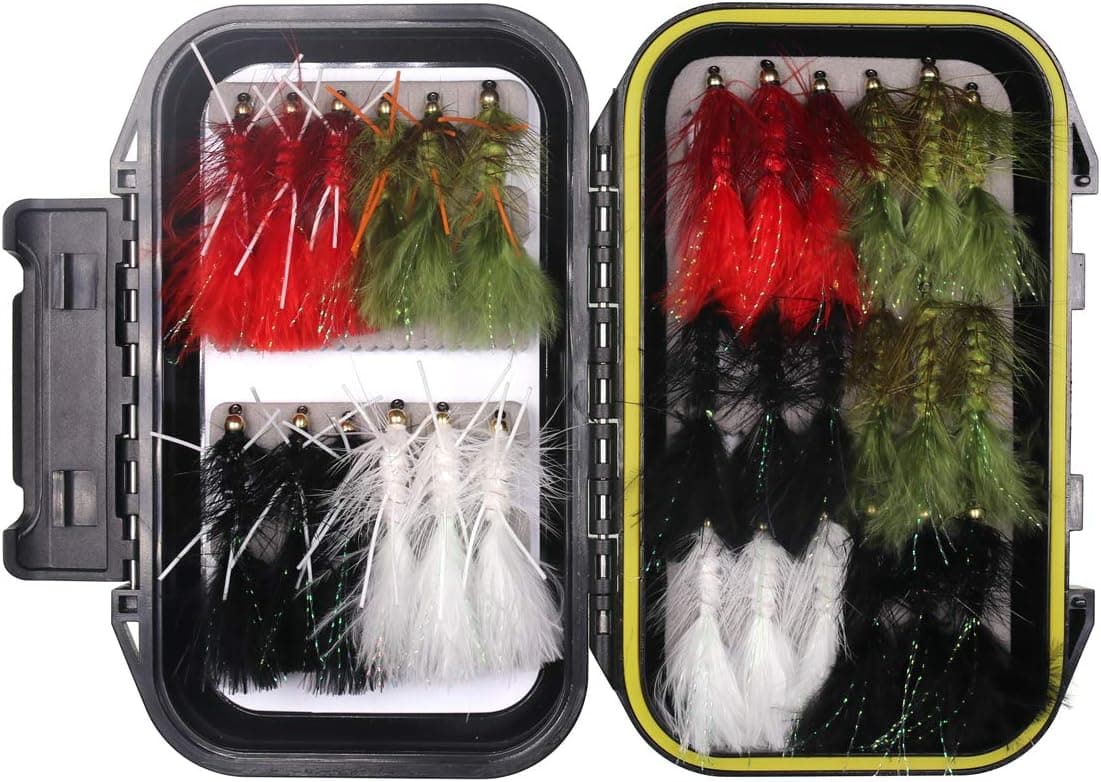
+ 30/90PCS options let you choose a small kit or a bulk supply
From our guide: Best Streamer Selections
Popular right now
- Dry Fly vs Nymph vs StreamerArticle
- The Best Waterproof Fly BoxesBuying guide
- The Best Chest Packs for Fly FishingBuying guide
- Best Wader Repair KitsBuying guide
- Fly Fishing Etiquette on Crowded WaterArticle
- Best Fly Rod Combos: Ready-to-Fish Setups That Actually BalanceBuying guide
Based on the last 28 days of search and visitor data.