Matching the Hatch
Published How we research
Matching the hatch sounds academic, full of Latin names and entomology lectures, but the on-stream reality is refreshingly practical. Trout eating insects are keyed in on a few simple traits: size, shape, color, and behavior, roughly in that order of importance. Your job is to observe what is on or in the water and offer something close enough. You do not need to know a bug's scientific name to match it. You need to know it is a size 16, tan, and skittering.
Observation comes before fly selection, and most anglers rush it. When you arrive at the water, spend a few minutes just watching. Are fish rising? Rise forms tell you a lot: splashy rises usually mean caddis or fast-moving insects, gentle sips mean small mayflies, spinners, or midges stuck in the film, and bulges that never break the surface mean fish are eating emergers just underneath. No rises at all usually means the food is subsurface, which is the situation most of the time.
Collect a sample instead of guessing. Look at streamside vegetation, spider webs, and the surface film. Turn over a few rocks in the shallows to see what nymphs dominate the river. A small aquarium net or even your hat held in the current downstream of a shuffled foot will show you what is drifting. When you find bugs, hold your fly box next to them and pick the closest match in size first, profile second, color third. If fish refuse it, go one size smaller before you change patterns. A size too large draws refusals far more often than a slightly wrong color.
It helps to know the four food groups of trout streams without drowning in taxonomy. Mayflies have upright wings like tiny sailboats and tapered bodies; think Adams and Pheasant Tail. Caddisflies look like small moths with tent-shaped wings and erratic flight; think Elk Hair Caddis and soft hackles. Stoneflies are the big crawlers of fast rocky water; think Pat's Rubber Legs and stimulators. Midges are the tiny ones that hatch year round and matter enormously in winter and on tailwaters; think Zebra Midge and Griffith's Gnat. If you can place an insect in one of those four families and match its size, you are ninety percent of the way there.
Behavior is the multiplier that most anglers ignore. A perfectly matched fly dragging across the current looks less like food than a wrong fly drifting naturally. During a caddis hatch, a twitched or skated fly can outfish a dead drift because the naturals are skittering. During a mayfly emergence, fish often eat the crippled and trailing-shuck insects stuck in the film, so an emerger pattern fished flush in the surface beats a high-riding dry. Watch how the naturals move, and make your fly do that.
When there is no visible hatch, match the hatch that happens every day: nymphs near the bottom. A tandem rig with a larger attractor nymph and a smaller natural like a Pheasant Tail or Hare's Ear, sized to the rocks you flipped, is the reliable default. And keep notes. Hatches repeat on a calendar, and the angler who wrote down that the tan caddis came off at dusk in the third week of June is the angler who shows up next June already tied on and waiting.
Products from this article
The highest-scoring picks from the buying guides mentioned above. Scores are our editorial assessment, not customer ratings.
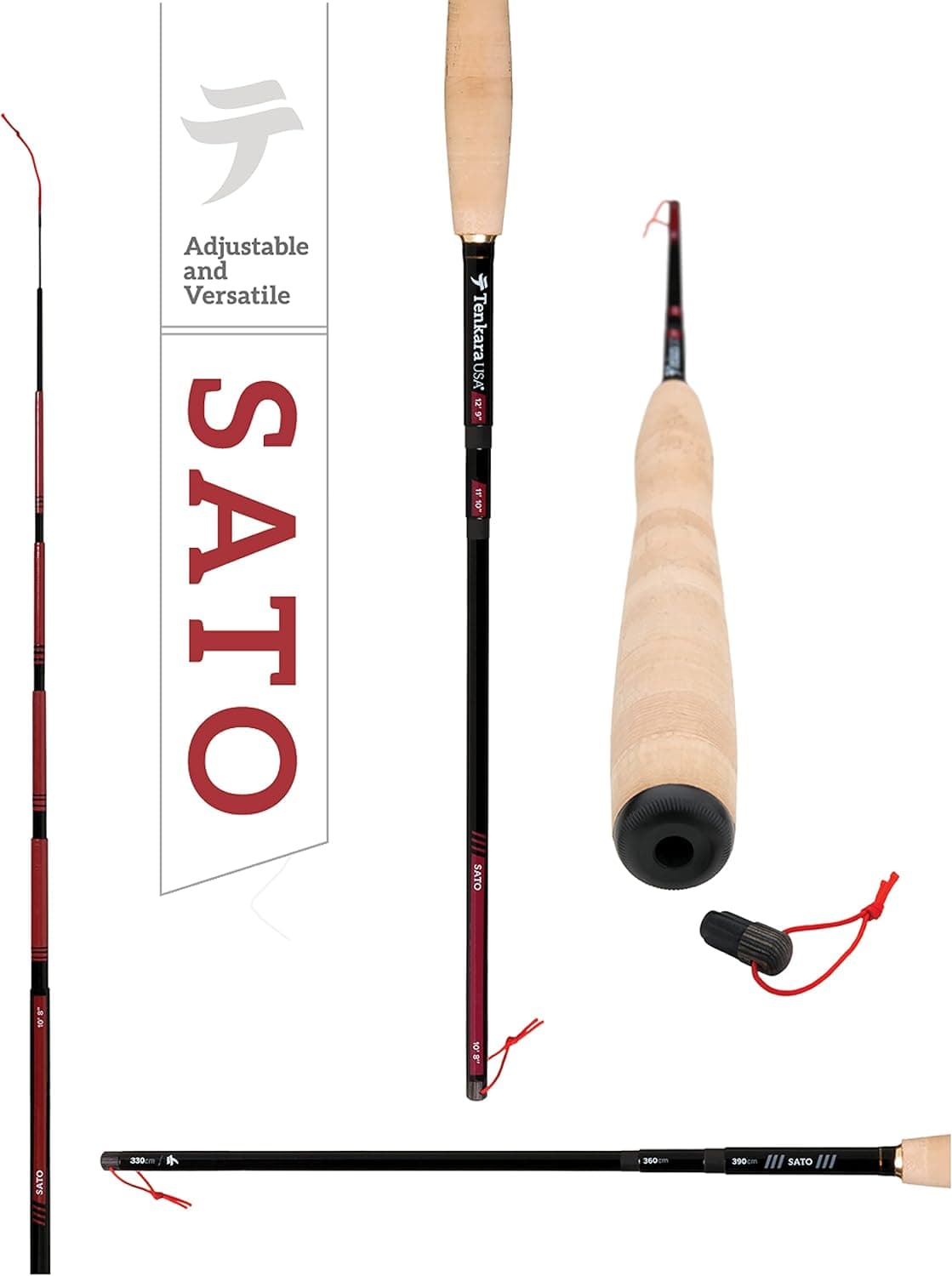
+ 3 adjustable lengths let you shorten under trees and extend on open water
From our guide: Best Tenkara Rods: Simple Fixed-Line Fishing Done Right
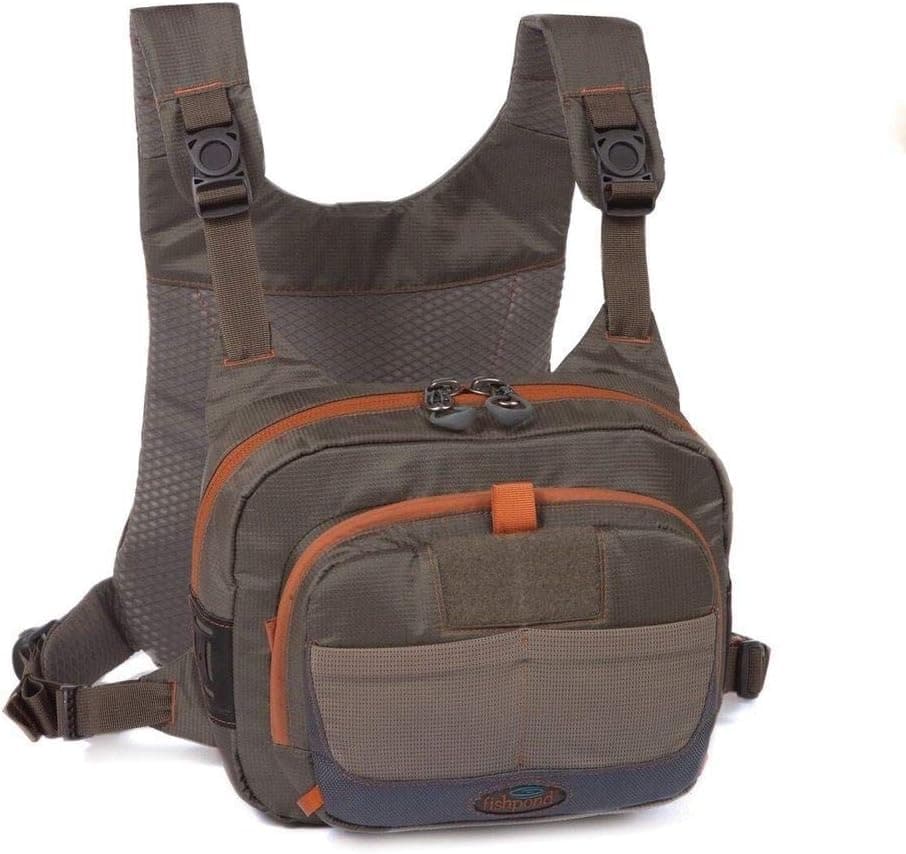
+ Low-profile design keeps gear close without blocking casting
From our guide: The Best Chest Packs for Fly Fishing
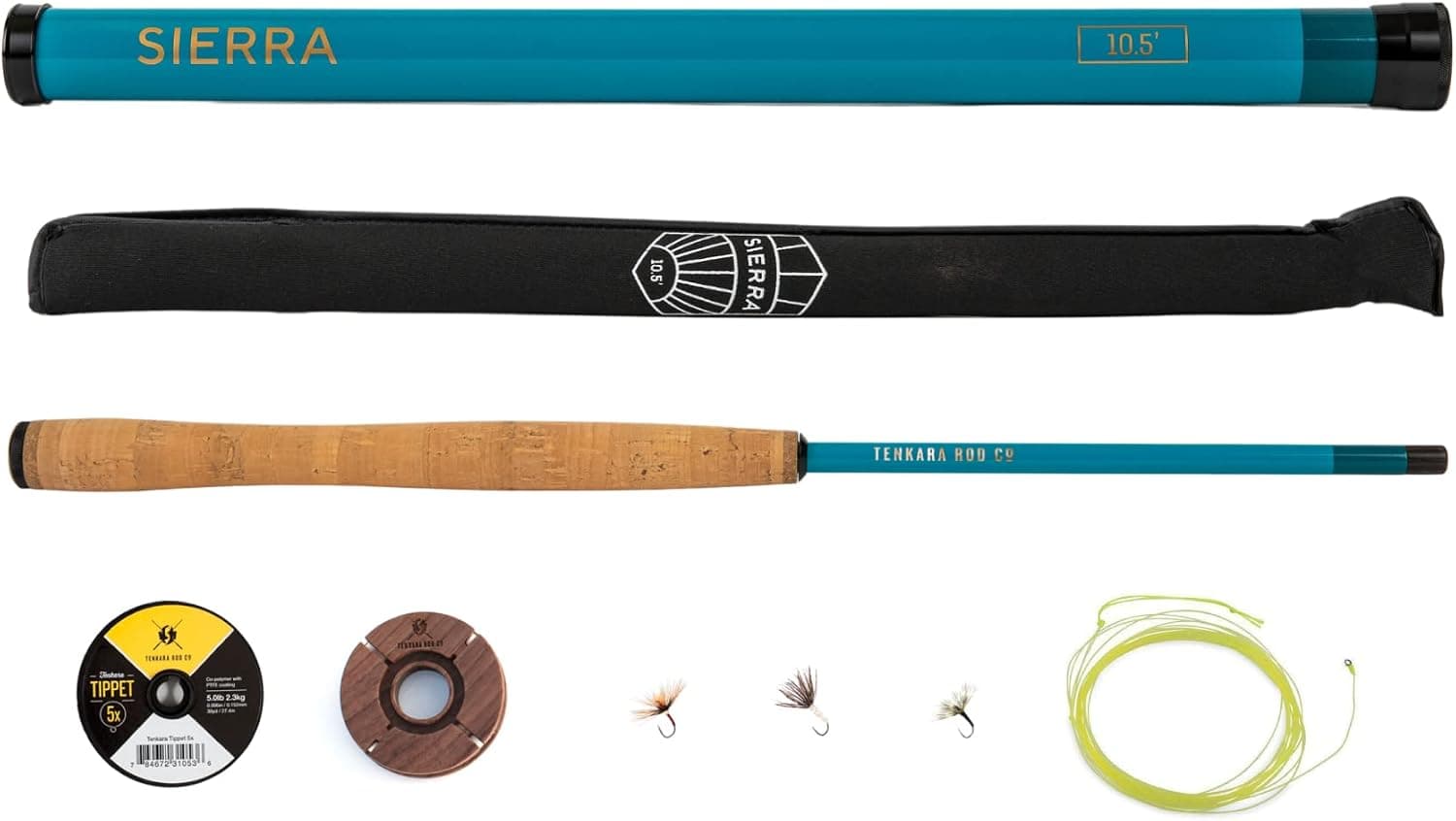
+ 10.5 ft rod gives reach to hold flies in seams on mountain streams
From our guide: Best Tenkara Rods: Simple Fixed-Line Fishing Done Right
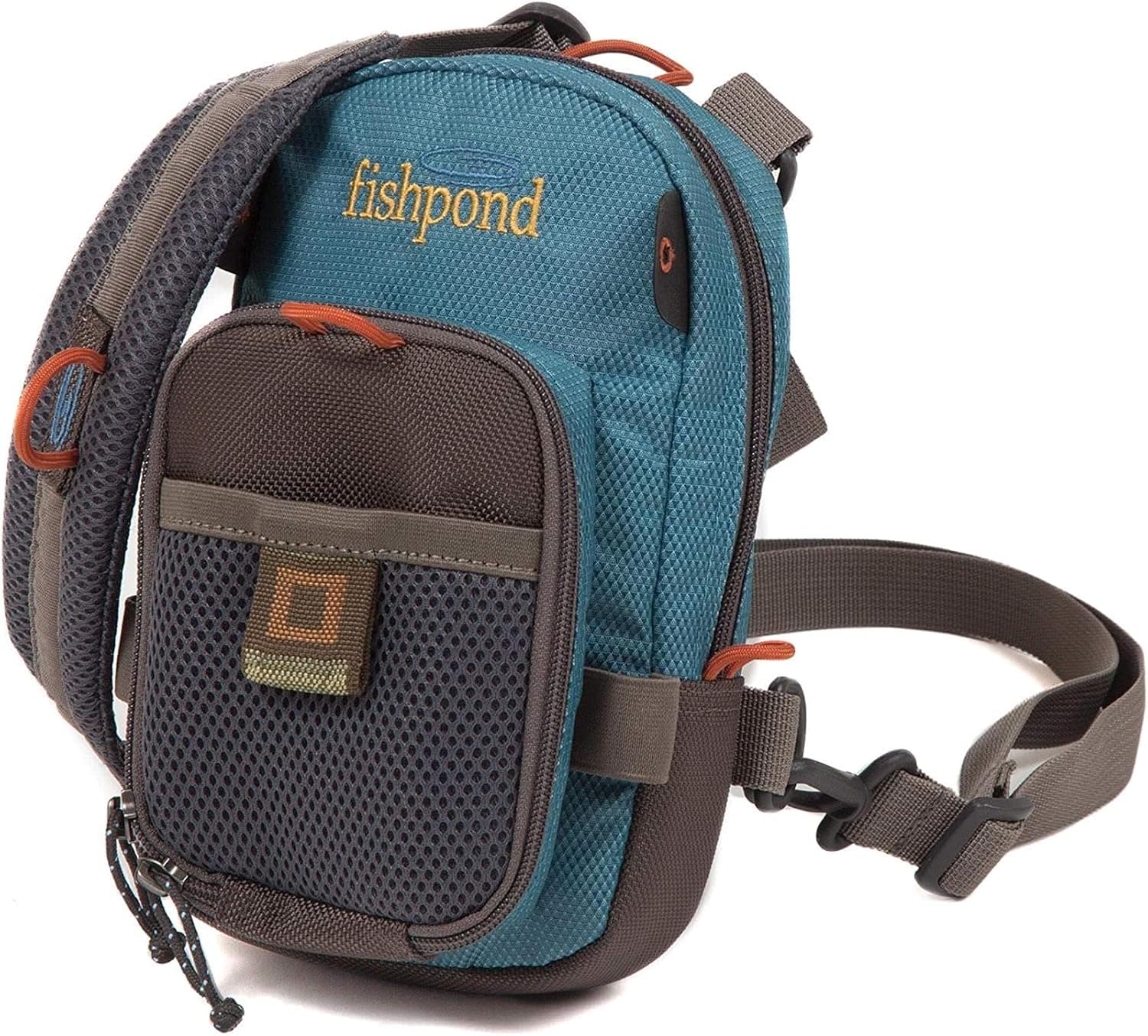
+ Vertical layout keeps boxes and tools stacked neatly
From our guide: The Best Chest Packs for Fly Fishing
Popular right now
- Dry Fly vs Nymph vs StreamerArticle
- The Best Waterproof Fly BoxesBuying guide
- The Best Chest Packs for Fly FishingBuying guide
- Best Wader Repair KitsBuying guide
- Fly Fishing Etiquette on Crowded WaterArticle
- Best Fly Rod Combos: Ready-to-Fish Setups That Actually BalanceBuying guide
Based on the last 28 days of search and visitor data.