How Much Split Shot Do You Need for Nymphing? A Weight Chart by Water
Published How we research
Add enough split shot that your nymph ticks the bottom every few drifts, and no more. In practice that means one small shot in slow, shallow water, two or three in a normal run, and a larger shot or a heavy tungsten fly in fast, deep water. This page gives a chart by water type, shows where to pinch the shot on the leader, and covers the mistakes that cost you strikes.
Products from this article
The highest-scoring picks from the buying guides this article links to. Scores are our editorial assessment, not customer ratings.
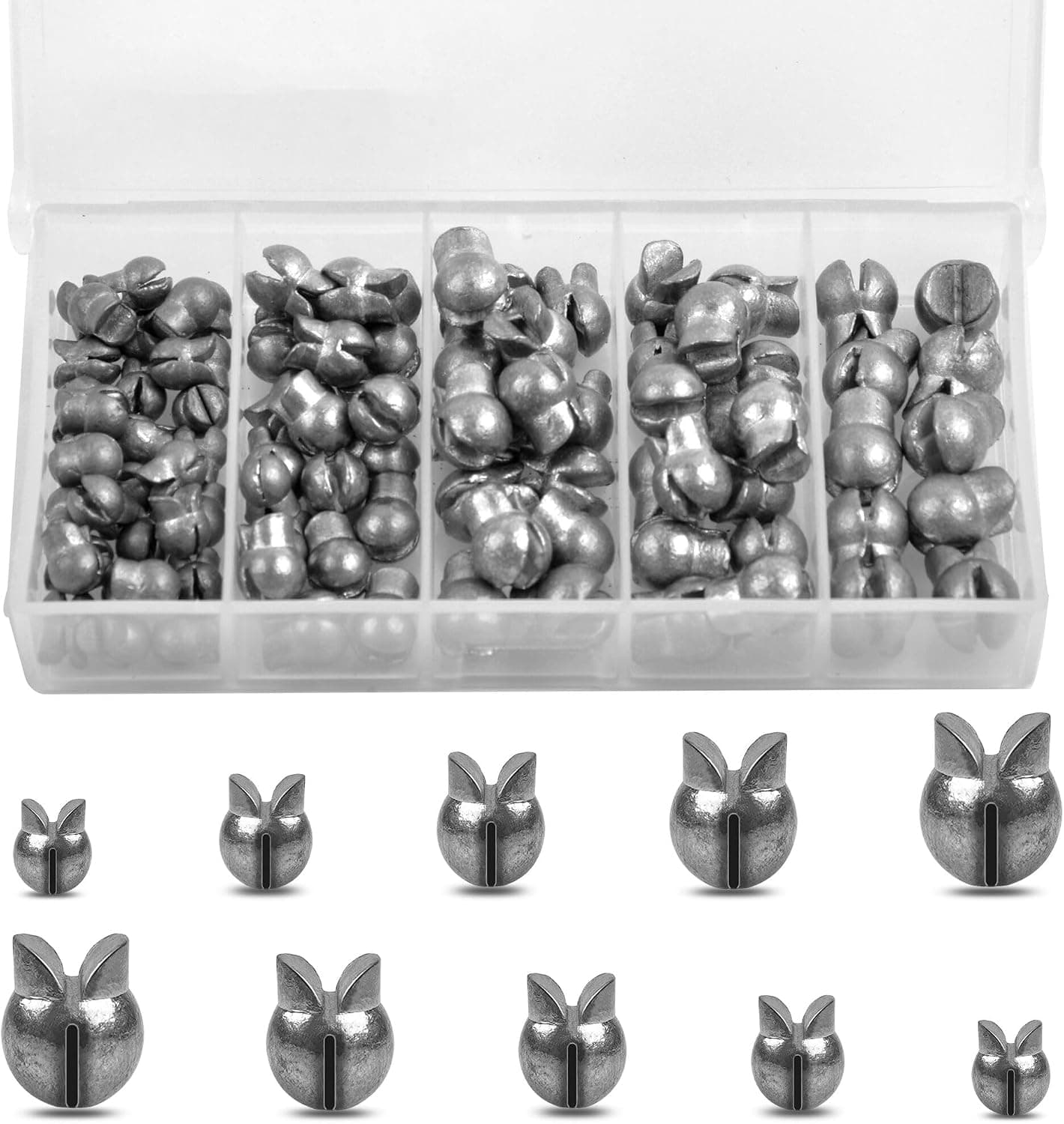
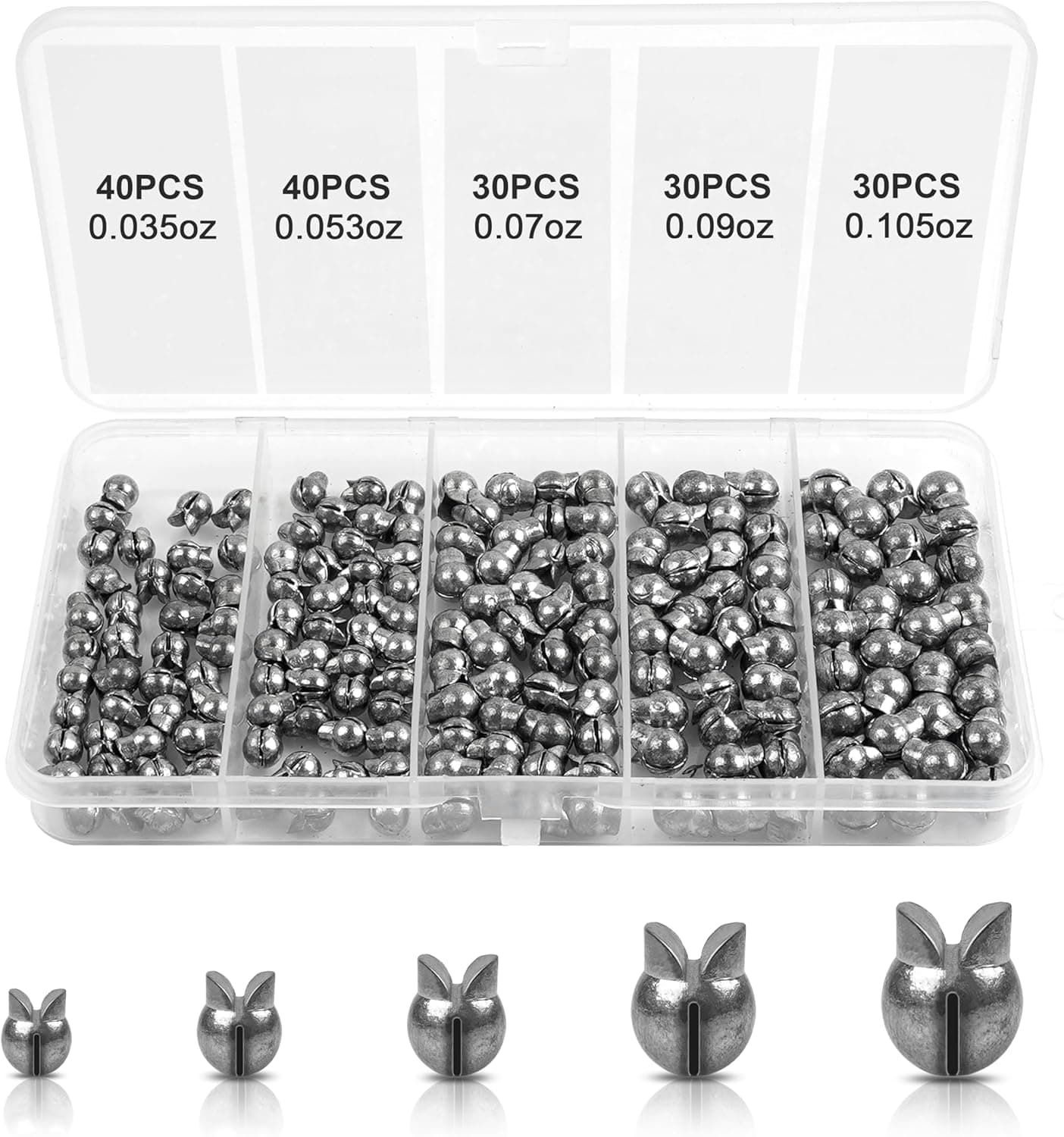
+ 170pcs in 5 sizes covers light to heavy weighting
From our guide: The Best Split Shot and Weights for Fly Fishing
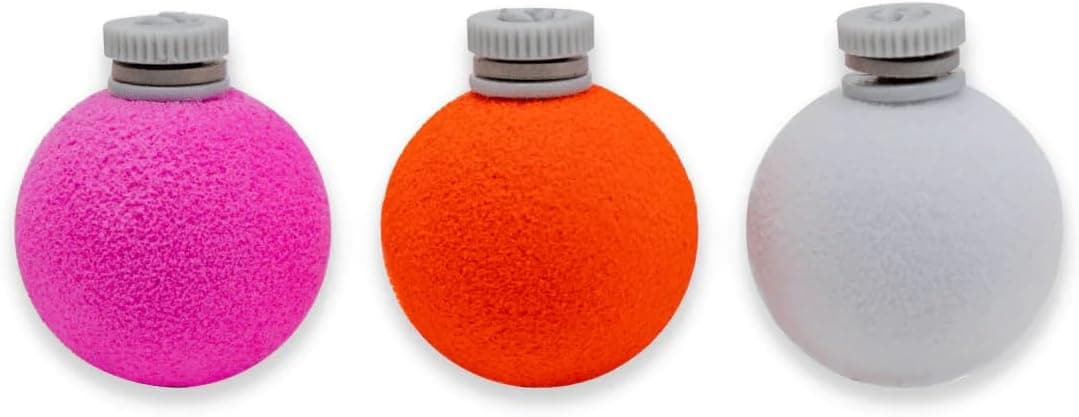
+ Screw-lock design adjusts depth without damaging the leader
From our guide: The Best Strike Indicators
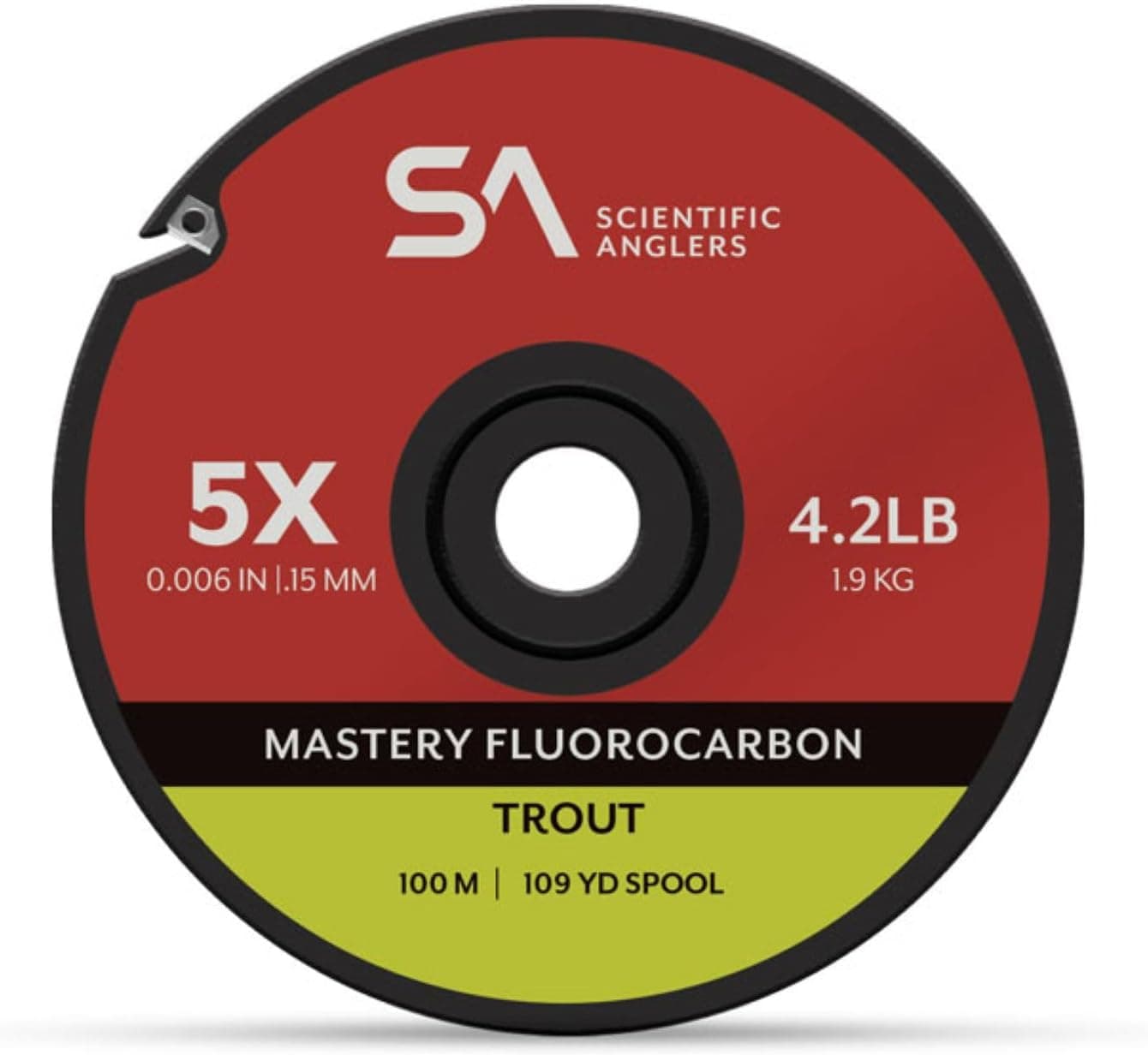
+ 100M guide spool lasts far longer than standard small tippet spools
From our guide: Best Tippet: Spools Worth Trusting Your Fish To
+ Dr. Slick is a trusted name in fly fishing tools
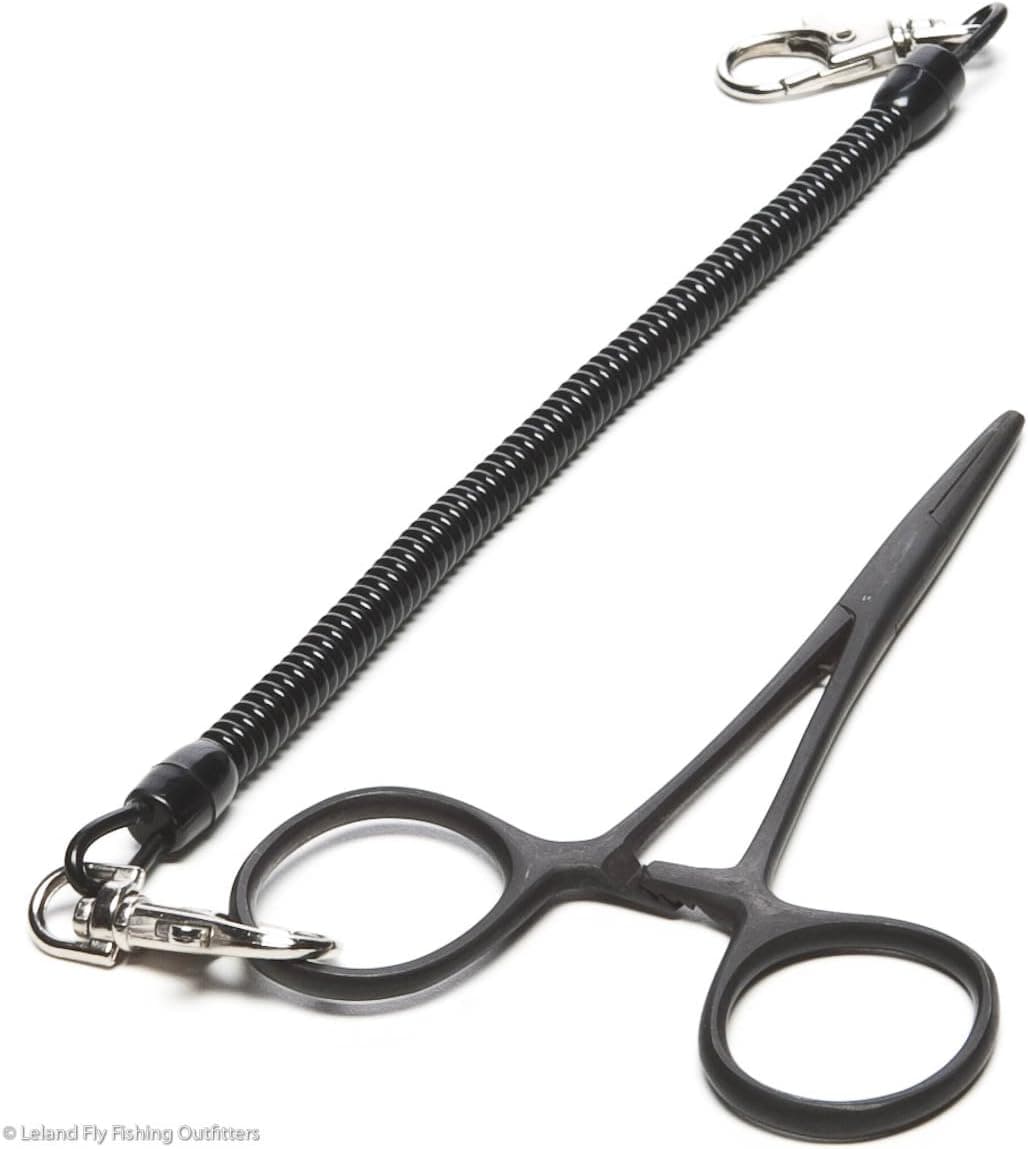
From our guide: The Best Forceps and Hemostats for Fly Fishing
The quick chart by water type
Use this as a starting point and adjust after a few drifts. Slow water under 2 feet deep: one small shot, or none if the fly is already weighted. Moderate runs 2 to 3 feet deep: two small shot or one medium. Fast runs and seams 3 to 4 feet deep: two or three medium shot, or a weighted fly plus one shot. Deep, heavy water over 4 feet: large shot or a heavy tungsten bead, and a longer leader so the weight can get down.
The test is simple. If the fly never touches bottom, add weight. If you are snagging on almost every drift, remove some. A nymph should bump the bottom occasionally, which tells you it is riding in the strike zone just above the stones. Fish in the rest of the water column take flies that are drifting naturally, so you rarely need to drag the rig across the bottom.
Split shot sizes in plain terms
Split shot is sold by size name, and the names run from tiny dust shot through numbered sizes up to larger BB and AB shot. Exact weights differ between brands, so go by feel and by the packaging rather than a fixed number. Most fly anglers carry a dispenser with three or four sizes: a very small one for delicate rigs, one or two mid sizes for everyday runs, and one large size for deep pools.
Choose smaller shot and use more of them rather than one big shot. Several small shot spread along the leader sink the rig more naturally and let you remove a single piece to fine-tune depth. A single large shot can pull the flies down in a straight line and hang up more. Tungsten putty and removable stick-on weights are alternatives that do not damage the line and can be shaped to the amount you need.
Where to put the shot on the leader
Pinch the shot on the tippet about 8 to 12 inches above the top fly, and place it just above a knot so it cannot slide down. That distance keeps the weight close enough that the flies stay near the bottom and far enough that it does not spook fish or tangle with the dropper. With two flies, the shot goes above the point where the dropper tippet ties in.
Do not crimp shot on the heavy butt section of the leader or on your fly line, where it can nick the material. Close the shot only enough to hold, because a hard squeeze weakens thin tippet. Pinch it lightly with the jaws of your forceps, and open it back up with your thumbnail when you want to move or remove it. A pair of forceps makes this far easier in cold water.
Weighted flies, beads and indicators
A bead head or lead-wire-wrapped nymph already carries weight, so you often need less shot than the chart suggests. Tungsten beads are denser than brass beads of the same size, which makes them sink fastest in fast water. Match the bead to the hook so the fly still looks like the natural insect.
When you fish under an indicator, the weight sets depth and the indicator position sets how long the rig drifts at that depth. The common rule of thumb is to place the indicator about one and a half times the water depth above the fly, then adjust. If the indicator drags under without a take, the rig is too heavy or too deep for that seam, so remove a shot or slide the indicator up.
Common mistakes
The most common mistake is too little weight. Anglers stand over a fast run, see nothing, and conclude the fish are not feeding, when the flies are drifting a foot off the bottom. The second is too much weight in slow water, which drags the flies down and creates constant snags.
Also watch for shot that slips, which usually means it was crimped on thick leader or not closed firmly enough. Recheck after every snag, since a hang-up often knocks shot loose. Check local rules too: some waters restrict lead, and many anglers choose tin or tungsten alternatives instead. Finally, avoid casting overhead with a heavy rig; use a wide, slow, open loop to avoid tangles and hitting your rod.
Frequently asked questions
How many split shot should I use? Start with one or two small shot in a normal run and change one at a time. Add if the fly never ticks bottom, remove if you hang up constantly.
How far above the fly should the split shot go? About 8 to 12 inches above the top fly, pinched on tippet just above a knot. In deeper, faster water some anglers go a little farther to get the flies down.
Is split shot or a weighted fly better? Both work, and combining them is common. Weighted flies cast with less tangling, while shot lets you change depth without changing flies.
Can I reuse split shot? Removable shot can be opened and reused several times, but discard any piece that has lost its shape or that has marked your tippet.
Popular right now
- Dry Fly vs Nymph vs StreamerArticle
- Best Kids Fly Rods: Short, Tough Setups That Keep It FunBuying guide
- The Best Waterproof Fly BoxesBuying guide
- Best Beginner Fly Rods: Forgiving Rods That Teach a Clean CastBuying guide
- Best Euro Nymph Lines: Thin Lines for Tight-Line ControlBuying guide
- Best Wader Repair KitsBuying guide
Based on the last 28 days of search and visitor data.