Simms Freestone Wading Boots for Men - Rugged Rubber Sole Fishing Shoes with Traction Control Review (2026)
Updated September 14, 2026 · Research-based review
Our verdict
Simms built the Freestone rubber sole boot around a Vibram Idrogrip outsole and a durable synthetic leather upper, a step up in traction and toughness from entry-level wading boots without flagship pricing. It suits anglers who wade often, though the slickest algae-covered rock will still call for add-on studs.
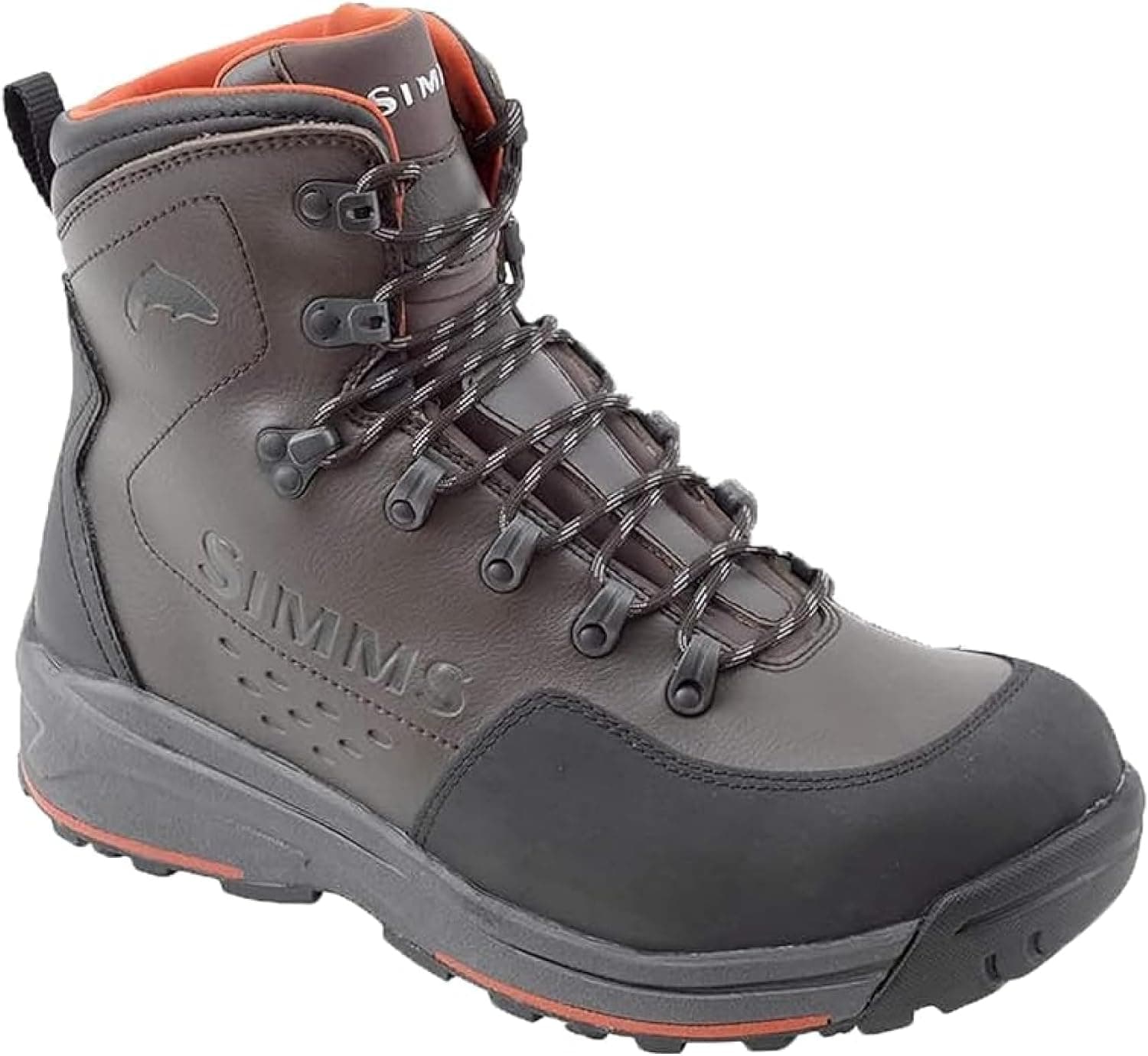
Simms Freestone men's rubber sole wading boots with traction control, a durable rubber boot for all-around wading.
Price range: $ (Budget)
What we liked
- + Traction control rubber sole is designed for better wet rock grip
- + Rugged Freestone build lasts through heavy use
- + Rubber sole is legal on rivers where felt is restricted
Trade-offs
- - Higher price than the Tributary boot
- - Rubber still needs studs for the slickest rock bottoms
Who Simms built the Freestone for
The Freestone sits in Simms's lineup as a mid-tier wading boot, positioned above entry-level options and below the brand's premium boots, built for anglers who wade regularly and want durability without paying for every top-shelf feature. It uses Simms's StreamTread platform, the brand's general approach to sole construction aimed at stability on uneven, slick streambeds. The rubber sole version reviewed here uses a Vibram Idrogrip outsole rather than felt, which matters in the growing number of states and rivers where felt soles are restricted or banned due to concerns about spreading invasive species between waterways. For anglers wading varied terrain, from gravel bars to mixed mud and rock, this is the boot Simms positions as the practical daily driver rather than a specialty option.
Upper, midsole and how it is built
The Freestone uses a synthetic scratch leather upper reinforced at the toe and heel, the two areas that take the most abuse from rock scrambling and repeated boot removal. A partial neoprene lining inside adds comfort against the wading sock or wader bootie and makes the boot easier to get on and off compared with an unlined design. Underneath, a dual density EVA midsole provides cushioning across a full day of wading and walking riverbank trails to reach fishing spots. This construction reflects a boot built for durability under repeated wet and dry cycles rather than ultralight weight, which is the trade-off most wading boots in this category make since abrasion resistance matters more than shaving ounces for most river anglers.
Traction and where rubber soles win or lose
The Vibram Idrogrip rubber outsole is designed to grip a wide range of surfaces including mud, sharp rock and grass, and rubber generally performs better than felt in cold and wintry conditions since it does not hold water and freeze the way felt can. Where rubber alone falls short is on algae-covered or heavily silted rock, the classic slick river bottom that has made felt popular with some anglers despite the invasive species concerns. Simms addresses this by making the outsole compatible with Hardbite Star Cleats, Hardbite Studs and Alumibite Star Cleats, which can be added for extra grip on the worst wading conditions. Anglers who fish mostly gravel and cobble rivers will likely be satisfied with the stock rubber sole, while those on slick bedrock streams should budget for studs.
Weight, fit and everyday use
A size 10 pair in the rubber sole version weighs approximately 57.9 ounces, which is on the heavier side for a wading boot but consistent with the reinforced upper and full rubber outsole built for durability. Fit runs true to Simms's standard sizing in most reports, though as with any wading boot, trying it on over the actual wading socks or wader booties you plan to fish in is the best way to confirm sizing before committing. The partial neoprene lining helps the boot flex with your foot rather than fighting it, which reduces hot spots on long days of hiking between fishing spots. Lace-up closure is standard rather than a quick-entry system, giving a more secure, adjustable fit at the cost of a few extra seconds getting the boots on at the truck.
How it stacks up and who should buy it
Against the Simms Tributary, a lighter and less expensive boot in the same brand's lineup, the Freestone justifies its higher price with a more durable build and the reinforced upper meant to survive harder use over more seasons. Compared with the Korkers Greenback, which ships with interchangeable soles out of the box, the Freestone commits to one sole type that you customize with add-on studs rather than swapping full soles. Against Orvis Clearwater boots, the comparison comes down mostly to brand fit preference and specific outsole grip in your local water type. For anglers who wade several times a month and want a boot built to last multiple seasons rather than the cheapest option available, the Freestone is a sensible middle-tier pick, matching our score of 8.9 out of 10.
Frequently asked questions
Does the Freestone come in a felt sole option?
Yes, Simms sells the Freestone in both a rubber sole with a Vibram Idrogrip outsole and a felt sole version, so check which one you are ordering.
Can I add studs to the rubber sole for better grip?
Yes. The rubber outsole is compatible with Simms Hardbite Star Cleats, Hardbite Studs and Alumibite Star Cleats for added traction on slick rock.
Is felt or rubber better for wading boots?
Rubber performs better in cold weather since it does not hold water and freeze, and it is legal in more places due to invasive species rules, while felt can grip slick algae-covered rock better without studs.
How much does the Freestone rubber sole boot weigh?
A size 10 pair weighs approximately 57.9 ounces, which is on the heavier end for a wading boot due to its reinforced, durable construction.
Prices change often, so check the current price and availability on Amazon.
Check price on AmazonFly Fish Nest may earn a commission from the link above.