How to Plan Your Winter Fly Tying for Next Season
For many anglers, the shorter days of late autumn and winter mean less time on the water and more time at the tying vise. Winter is the perfect season to restock fly boxes, experiment with new patterns and prepare for spring hatches. Without a plan, though, it is easy to tie dozens of flies you never use while running out of the patterns that actually catch fish. A simple winter tying plan turns evenings at the bench into better fishing next season.
Review last season's fly boxes
Start by emptying your fly boxes onto a table and sorting flies into three piles: patterns that caught fish and are running low, flies you rarely used and damaged flies that need replacing. Your most productive patterns and sizes should become the core of your tying list.
Think back through the season month by month. Note hatches you encountered, conditions where you lacked the right fly and the rivers or lakes you plan to fish next year, since each water may call for different patterns and sizes.
Build a realistic tying list
Write down each pattern, the sizes and colours you need and a target quantity, such as a dozen size 16 pheasant tail nymphs or six size 14 parachute Adams. Prioritise workhorse patterns that catch fish in many situations before spending time on specialised flies.
Be realistic about how many flies you can tie in the time available. A focused list of fifteen patterns tied well is far more useful than dozens of half-finished experiments scattered across the bench.
Batch tie for speed and consistency
Tying one pattern in batches of six or a dozen is much faster than switching patterns after every fly. Preparing materials in advance, such as cutting wing sections, sorting beads onto hooks and pre-stripping hackle stems, streamlines the process.
Batch tying also improves consistency, since your proportions settle into a rhythm after the first few flies. Keep a finished fly on the bench as a model for size and proportions.
Organise materials and hooks
Sort materials by type in labelled containers or drawers and keep hooks organised by style and size. Knowing what you have prevents buying duplicates and stops tying sessions from turning into long searches for a missing spool of thread.
Take inventory before placing winter orders. Buy the materials needed for your core patterns first, and store natural materials such as feathers and fur in sealed containers to protect them from moths and other pests.
Set up a comfortable tying space
Good lighting reduces eye strain and makes small flies much easier to tie. A bright, adjustable daylight lamp and a magnifier help with fine details on size 18 and smaller hooks.
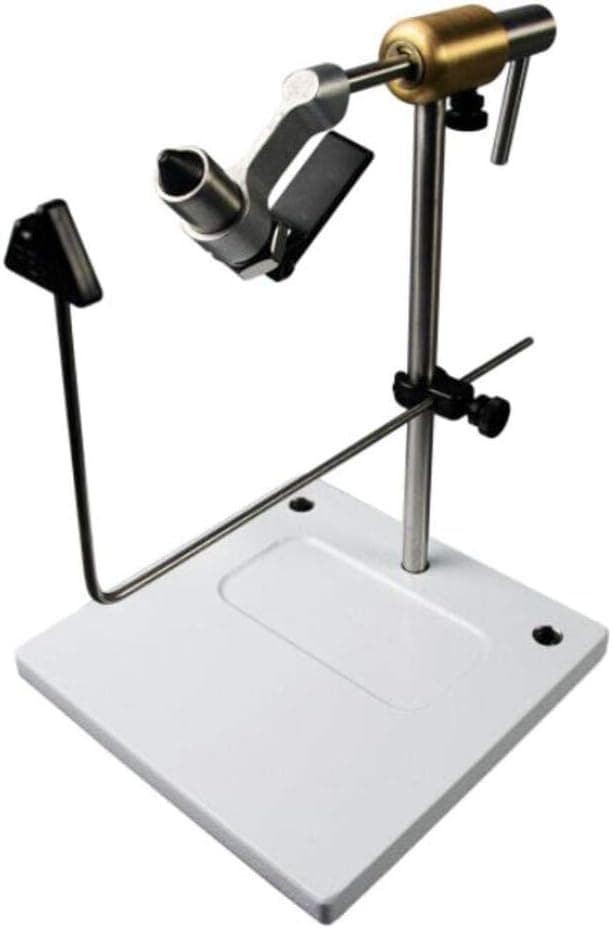
Use a stable vise at a comfortable height and a chair that supports good posture during long sessions. A small bin or waste catcher attached to the vise keeps trimmings off the floor.
Use winter to learn new skills
Winter is a good time to learn new techniques such as dubbing loops, parachute hackles or tying articulated streamers. Online videos, books and local fly tying clubs offer inspiration and advice.
Keep notes on recipes, materials and adjustments for each pattern. Next winter, your notes make restocking faster and help you recreate the flies that worked best.